28 August 2026 | Friday | Expert Opinion

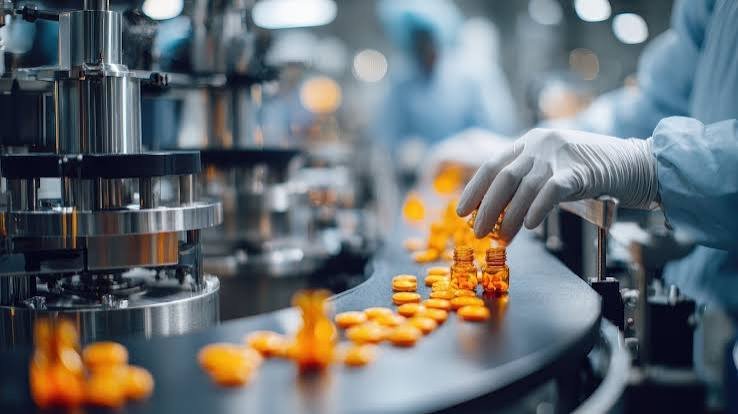
At INTERPHEX, sustainability and supply chain performance emerged as important priorities for pharmaceutical packaging. John Jansen, Head of Global Marketing and Intelligence at CurTec, discusses how packaging manufacturers can reduce material use and improve recyclability without compromising product protection. He highlights CurTec’s ECO LITE drums, designed to reduce weight while maintaining UN-X certification, and shares his views on packaging for sensitive biologics, evolving regulations and the role of packaging in building more efficient and resilient biopharma supply chains.
What are the key innovations driving sustainability in primary and secondary pharmaceutical packaging today?
Sustainability in pharmaceutical packaging is being driven by innovations that reduce environmental impact without compromising protection or performance.
Lightweighting is a major part of that shift, as it reduces material use and can improve transport efficiency. Mono-material design is also becoming increasingly important, as it makes packaging easier to recycle at end of life. At the same time, lower-carbon materials such as biobased plastics are helping reduce reliance on fossil-based raw materials.
The real innovation is not only in the material change, but in making that change work within the full packaging system. In pharma and biopharma settings, a lighter or more recyclable design still has to protect against moisture, contamination and damage. It also has to remain practical to fill, handle, store and transport.
Sustainable packaging has to be engineered as a complete solution. The environmental gains matter, but they only become valuable when the packaging continues to perform in the conditions customers actually face.
How can packaging solutions contribute to maintaining product integrity, particularly for sensitive biologics?
Packaging plays a critical role in protecting sensitive biologics from moisture, contamination and physical stress throughout storage and transport. For many biopharma products, even small changes in external conditions can affect quality, stability and efficacy.
That’s why barrier performance, sealing reliability and material consistency are so critical. Packaging must help maintain a controlled environment around the product, while also withstanding the realities of handling, stacking and global transport. At the same time, it needs to perform consistently across the full supply chain, whether products are being stored for extended periods, moved between facilities or shipped internationally.
Cleanliness is equally important. In biopharma supply chains, packaging has to reduce contamination risk and support confidence at every stage, from filling through to final delivery. This places greater focus on controlled manufacturing standards, traceability and packaging systems that can consistently maintain product integrity under real-world conditions.
What challenges do companies face when transitioning to more sustainable packaging materials?
The most important consideration in any packaging decision is product protection. Sustainable packaging, therefore, needs to be balanced with integrity, functionality, practicality and compliance.
For CurTec, this was central to the development of ECO LITE drums. Reducing weight and improving recyclability could not come at the expense of robustness or reliability. The new designs still had to meet the same UN-X certification as existing products, which required extensive testing, new geometries and carefully controlled wall thickness distribution to preserve strength while using less material.
ECO LITE drums were also designed as a mono-material HDPE solution, meaning the drum and key functional components are made from the same material to support recyclability. To achieve this, the mounted handgrips were eliminated and the EPDM gasket was replaced with an integrated HDPE lip gasket, while maintaining tightness and safe handling.
Sustainable packaging must also remain affordable. In highly regulated industries, customers need solutions they can adopt at scale without creating unnecessary cost or operational barriers. Affordability is also what allows sustainability to move beyond a niche choice. If a lower-impact packaging option performs as well as the product it replaces and remains commercially practical, it becomes much easier for customers to make the switch without compromising safety, compliance or performance.
How is regulatory pressure shaping packaging design and material choices?
Packaging choices are being shaped by two important regulatory pressures: sustainability and product integrity.
On the sustainability side, regulations such as the EU Packaging and Packaging Waste Regulation are pushing companies to reduce material use, improve recyclability and take greater responsibility for the full lifecycle of their packaging. Extended Producer Responsibility is an important part of this shift, as it places more accountability on producers for what happens to packaging after use. As a result, companies are reassessing supply chains and redesigning packaging to be lighter, more recyclable and more space-efficient.
At the same time, sustainability cannot come at the expense of product integrity. GMP expectations around contamination control mean packaging still has to maintain stability and protect against contamination, moisture ingress and damage throughout the product lifecycle.
In what ways can packaging improve supply chain efficiency and reduce waste?
Packaging can improve supply chain efficiency by supporting smoother handling, storage and distribution across complex pharmaceutical networks. In practice, that often comes down to consistency and reliability. Packaging that is easier to stack, move and handle can help optimize warehouse operations and reduce inefficiencies during transport. Design details also matter. Features that simplify opening, closing and handling can save time across filling and logistics processes.
Reducing waste is closely tied to maintaining product quality. In pharmaceutical and biopharma supply chains, the loss of a high-value product through contamination, moisture ingress or transport damage can have a significant operational impact. Reliable packaging helps reduce those risks and supports more stable supply chain performance.
There is also increasing focus on packaging that fits more efficiently into transport and storage systems, helping companies move and store products more effectively while using fewer resources overall.
What trends do you expect to define the future of pharmaceutical packaging over the next five years?
The next five years will be shaped by the industry’s effort to balance sustainability, compliance and supply chain resilience at the same time.
We are likely to see continued movement toward lighter, more recyclable packaging formats, alongside greater use of mono-material and biobased solutions. At the same time, packaging design will become more focused on efficiency, with formats that optimize storage, handling and transport across global supply chains.
Regulatory readiness will also become increasingly important. Companies will look for packaging solutions that are already aligned with future environmental requirements, while still meeting strict standards for cleanliness, product protection and contamination control.
Another key trend is that packaging will be viewed less as a standalone product and more as part of a broader operational strategy. Performance, logistics efficiency and sustainability are becoming more closely connected, particularly in pharmaceutical and biopharma supply chains where reliability remains critical.






© 2026 Biopharma Boardroom. All Rights Reserved.