13 November 2026 | Friday | Interaction
Editor: BioPharma Boardroom
Bringing microbiome-based therapies to patients requires more than promising clinical results. Manufacturing complex mixtures of live bacteria consistently and at commercial scale remains a major challenge. MRM Health is addressing this through its partnership with Biocodex, which will establish specialised manufacturing capabilities for its CORAL platform and lead candidate MH002, currently in Phase 2b development for ulcerative colitis. BioPharma Boardroom speaks with Sam Possemiers, PhD, Chief Executive Officer of MRM Health NV, about the €15 million investment, the challenges of manufacturing live biotherapeutics, the company's clinical development plans and how the partnership could support future pharmaceutical collaborations and commercialisation
Q. What prompted MRM Health and Biocodex to expand their existing relationship into a manufacturing partnership, and how important is this agreement for bringing CORAL-based therapies closer to commercialization?
The starting point was a shared conviction that promising microbiome science needs an equally credible industrial pathway if it is to become meaningful medicine. At MRM Health, we have built CORAL® around that principle: the ability to design disease-focused bacterial consortia must go hand in hand with the ability to manufacture them reproducibly and at scale. Biocodex brings complementary pharmaceutical development, industrialization and manufacturing capabilities. Bringing those strengths together is a logical next step in our relationship.
Biocodex led our €55 million Series B financing in September 2025, so this partnership builds on an established understanding of our technology and long-term ambitions. However, the manufacturing agreement is important in its own right. It translates strategic alignment into a practical framework for developing specialized production capabilities that can support MH002 and other CORAL-based programs throughout their development lifecycle.
For us, the central issue is timing. Manufacturing cannot be treated as a problem to solve only after a successful late-stage trial. Facilities, technology transfer, analytical capabilities and pharmaceutical quality systems all take time to establish. By developing an additional manufacturing pathway alongside our clinical pipeline, we are addressing an important execution risk early rather than allowing it to become a constraint later. That is particularly relevant for complex live biotherapeutics, where suitable infrastructure and expertise are highly specialized and at the same time very limited in the market.
The agreement is also broader than a supply arrangement for one candidate. It establishes a framework for process development, analytical testing and GMP manufacturing services for individual CORAL programs under program-specific agreements. It can therefore support our proprietary pipeline, as well as programs developed with, or licensed to, pharmaceutical partners. A potential partner can assess not only the biological rationale and clinical evidence, but also a credible route toward industrial supply.
Importantly, Biocodex will fund, build, own and operate the infrastructure, while we contribute our proprietary anaerobic manufacturing expertise to its design and implementation. This allows us to combine specialist capabilities without MRM Health having to build and operate the facility itself. It is a focused allocation of responsibilities that supports our development priorities.
I would describe this as a significant step toward commercialization readiness, not commercialization itself. Our candidates still need to demonstrate the required safety and efficacy in final large clinical trials and obtain regulatory approval. What the partnership does is strengthen the industrial foundation beneath that development journey. Ultimately, our ambition is to ensure that, if the clinical evidence supports these therapies, manufacturing is ready to help translate that evidence into access for patients.
Q. Biocodex plans to invest €15 million in specialized anaerobic manufacturing infrastructure at its Beauvais facility. What are the biggest challenges in manufacturing live biotherapeutic products, and how will this investment help address them?
The fundamental challenge is that the living microorganisms are the therapeutic product. We are not simply using bacteria to manufacture a molecule that is subsequently purified away from them. We need to preserve the identity, viability and relevant functional characteristics of the organisms themselves, consistently from one batch to the next. When several bacterial strains form a therapeutic consortium, that challenge extends to the composition and properties of the community as a whole.
Oxygen sensitivity is one of the most important practical considerations. Many bacteria associated with the human gut require anaerobic conditions, and exposure to oxygen can compromise their viability. Protecting them therefore requires more than an oxygen-controlled fermentation vessel. The process must consider transfers, harvesting, downstream handling and formulation, with appropriate controls wherever the product could be exposed. Equipment selection and process integration are critical to making that protection reproducible rather than dependent on individual handling steps.
Scale-up adds another layer of complexity. Increasing production volume can change mixing, nutrient availability and other cultivation conditions. For a consortium, we must understand how those changes affect the different members and the resulting product. The objective is not simply to produce more biomass. It is to produce more of the same well-characterized therapeutic material, within an appropriate control strategy.
Analytical development is equally important. A pharmaceutical product needs suitable methods to assess identity, composition, viable content, purity and relevant measures of potency, together with stability data and justified specifications. These requirements cannot be replaced by a single measurement of total bacterial abundance. The manufacturing process and the analytical package must be developed together so that we understand what is being produced and can demonstrate consistent quality.
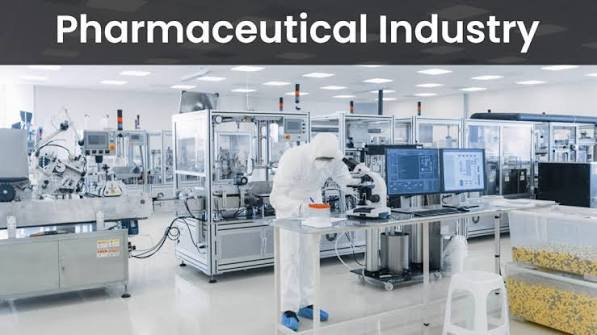
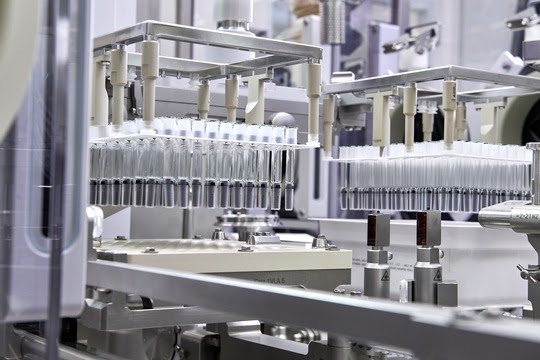
The €15 million investment addresses these challenges by creating infrastructure designed specifically for live biotherapeutics, including anaerobic manufacturing capabilities, within Biocodex’s established pharmaceutical site in Beauvais. Our contribution is the product and process expertise developed through CORAL; Biocodex contributes industrial execution and pharmaceutical manufacturing experience. Designing the infrastructure around these requirements from the outset is much more appropriate than trying to adapt an unsuitable production environment after the fact.
Of course, a capital investment alone does not establish a validated manufacturing process. Technology transfer, equipment qualification, analytical work, training and product-specific process development remain essential. The value of this partnership is that it brings those activities into a coordinated industrial setting. It creates the conditions for building a robust pathway from development batches toward potential commercial supply, while recognizing that each program must meet its own quality and regulatory requirements.
Q. The new facility will support MRM Health’s lead candidate MH002 as well as other CORAL-based programs. How will having access to dedicated manufacturing capacity influence your clinical development plans and ability to scale production as these programs advance?
Access to specialized capacity allows us to plan clinical and manufacturing development as connected activities rather than separate workstreams. A clinical program needs the right product, at the right quality and in the right quantities, at each stage. As studies become larger and extend across more countries, the requirements for supply planning, process understanding and documentation become more demanding. Establishing a scalable manufacturing pathway early gives us a stronger basis for preparing for those transitions.
MH002 is our lead program and provides the most immediate context. It is being evaluated in STARFISH-UC, our 204-patient Phase 2b study in mild-to-moderate ulcerative colitis, following encouraging Phase 2a findings in ulcerative colitis and pouchitis. The manufacturing partnership is intended to support its progression through later-stage development and toward potential commercial supply. It does not replace the clinical evidence we need to generate, nor does it automatically determine the design or timing of subsequent studies.
The practical benefit is greater visibility over the industrial steps that would accompany advancement. We can consider technology transfer, process development, analytical readiness and future production needs alongside clinical decision points. That should help us identify potential bottlenecks earlier and prepare the necessary work in a more orderly way. The aim is to reduce avoidable manufacturing uncertainty when the clinical program reaches an important decision, not to suggest that all future supply requirements are already resolved.
The broader pipeline is equally important. CORAL is a platform, and our ambition extends beyond a single product. We are expanding into other inflammatory diseases and immuno-oncology. A manufacturing framework that can accommodate multiple CORAL-based programs allows us to build on shared expertise and infrastructure, rather than approach every new candidate as a completely separate industrial project. Nevertheless, each consortium will require its own process work, specifications and supporting evidence.
It is also important to clarify what dedicated capacity means here. The Beauvais infrastructure is dedicated to live biotherapeutic manufacturing and designed to accommodate CORAL requirements; it is not a facility exclusively reserved for MRM Health. The announced framework provides priority access for our proprietary, partnered and out-licensed programs, with services organized through program-specific agreements. Capacity is intended to expand in line with the clinical and commercial progress of our portfolio.
Strategically, this supports a more flexible development model. We can advance our own programs while offering future partners a more developed industrial pathway. Clinical results, regulatory discussions, financing and portfolio priorities will continue to drive our decisions. The manufacturing partnership strengthens our ability to execute those decisions by giving us an additional route to the specialized capabilities that successful development would require.
Q. MRM Health’s CORAL platform uses a single-process approach to manufacture complex bacterial consortia. What advantages does this technology offer in terms of manufacturing consistency, quality control and production costs compared with conventional approaches?
The key distinction is that CORAL enables us to manufacture a complete bacterial consortium through an integrated process as a single drug substance. In a conventional approach based on separately produced strains, each member may require its own cultivation and processing workflow before the components are combined. As the number of strains increases, the number of manufacturing operations and coordination requirements can increase substantially. Our approach is designed to avoid that multiplication of parallel production streams.
This matters because we view a therapeutic consortium as a functional community, not simply a list of bacteria placed together in a capsule. CORAL combines disease-focused strain selection with consortium optimization and manufacturing development. The scientific and industrial questions are therefore considered together: which organisms provide the functions we want, how can they work together, and how can that community be produced in a controlled and scalable way? Manufacturing feasibility is part of the product concept rather than a late addition.
For consistency, an integrated process offers the opportunity to establish a coordinated set of operating conditions and controls for the consortium. It can reduce the interfaces involved in managing separately manufactured components, their availability and their subsequent combination. However, co-manufacturing is not automatically consistent simply because it uses fewer production streams. The process must be understood and controlled so that the different strains remain within the intended product specifications across batches and scales.
The same distinction applies to quality control. A single drug substance can simplify the overall manufacturing architecture, but it does not remove the need to characterize the individual members or the final consortium. We still need appropriate methods to establish identity, composition, viable content, purity, stability and relevant functional attributes. The advantage is the possibility of organizing those requirements around an integrated product and process, rather than treating a complex consortium as a collection of independent manufacturing projects.
On production costs, the structural opportunity comes from reducing duplicated operations, equipment use, handling and scheduling across multiple strain-specific workflows. Fewer separate production streams can also reduce coordination burdens and support a more scalable industrial model. The actual economics will depend on the product, yields, dose, scale and quality requirements. We are not publishing a universal percentage saving or claiming that every consortium will have identical economics.
For me, the most important advantage is that CORAL connects biological complexity with industrial practicality. We want to preserve the therapeutic rationale for a multi-strain community without allowing manufacturing complexity to grow unnecessarily with every additional strain. The Biocodex partnership is the next step in translating that platform approach into specialized industrial infrastructure, while retaining the product-specific development and quality work required for pharmaceutical use.
Q. The agreement is non-exclusive, allowing MRM Health to work with other manufacturing partners while retaining ownership of its technology. How important is this flexibility for attracting pharmaceutical partners and supporting future licensing or co-development agreements?
It is very important because pharmaceutical partnerships need to accommodate different products, territories and development models. A partner evaluating a CORAL-based program will want confidence in the manufacturing pathway, but it may also have its own supply-chain requirements, existing infrastructure or regional considerations. We believe the strongest proposition combines access to specialized capabilities with the flexibility to structure an appropriate long-term solution for the program.
The Biocodex collaboration gives us a concrete industrial pathway without making it the only possible pathway. Its non-exclusive nature preserves our ability to engage additional or alternative manufacturing partners where appropriate. That does not diminish the strategic importance of Biocodex. On the contrary, it allows us to build a meaningful industrial relationship while avoiding an unnecessarily restrictive framework for the future development of our platform and pipeline.
Ownership of our technology is the other essential element. CORAL is central to MRM Health’s value proposition, encompassing our expertise in designing, optimizing and manufacturing disease-focused bacterial consortia. Preserving ownership of our platform and product-related innovations allows us to continue developing that technology across programs and to negotiate partnerships around the scientific and commercial needs of individual assets. Access to manufacturing services should support that strategy rather than constrain it.
For a prospective licensee or co-development partner, the practical benefit is that manufacturing does not have to begin from a blank sheet of paper. The framework can support proprietary, partnered and out-licensed CORAL programs, with process development, analytical testing and GMP manufacturing services arranged on a program-specific basis. This can reduce the need for a partner to establish a specialized production pathway independently, while still leaving room to assess the best configuration for its particular program.
Flexibility also matters for resilience. As a product advances, requirements can evolve in relation to capacity, geography and continuity of supply. Having the ability to consider more than one manufacturing route is strategically valuable. It should not be confused with having a fully qualified second source already in place: any additional site would require the relevant technology transfer, quality work and regulatory assessment. The agreement preserves options; those options still need to be implemented responsibly.
Ultimately, pharmaceutical partners assess the complete development proposition: differentiated biology, clinical evidence, intellectual property, manufacturability and the ability to execute. This partnership strengthens the manufacturing component while preserving our ability to tailor future collaborations. Our objective is to make CORAL-based programs easier to develop and partner, not to impose a single industrial model on every opportunity. That balance between a credible supply pathway and strategic freedom is one of the most valuable features of the agreement.
Q. With pilot manufacturing expected to begin in 2027 and commercial-scale production targeted from 2030, what are the key milestones for the partnership, and how do you see demand for microbiome-based medicines developing over the next few years?
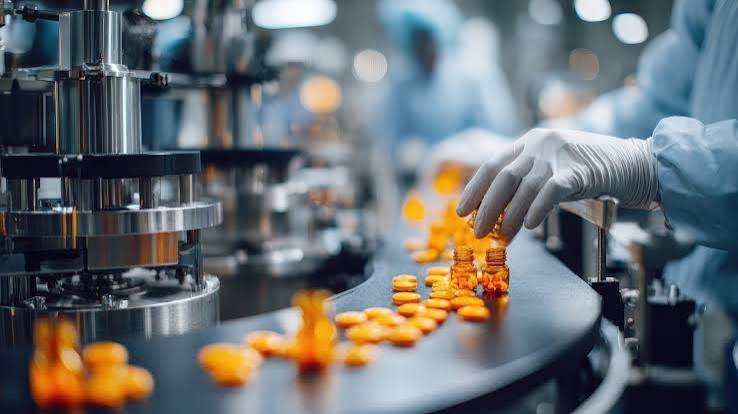
The first milestone is to translate the partnership framework into an operational manufacturing pathway. That includes infrastructure design and implementation, transfer of the relevant process knowledge, and alignment of the analytical and quality activities needed for individual programs. Our announced expectation is for initial process development and pilot manufacturing activities to begin by 2027, with commercial-scale manufacturing targeted from 2030. These are staged capability-building objectives, not a commitment that a particular medicine will be commercially available on those dates.
It is useful to distinguish pilot and process-development work from GMP clinical batch production. Biocodex’s broader platform announcement identifies the first half of 2028 for initial clinical batches. These milestones describe different stages of industrial readiness. The important point is the progression from establishing and transferring processes, through demonstrating suitable manufacturing performance, to building the capabilities required for later-stage and potential commercial supply. Detailed execution will need to remain aligned with the requirements of each program.
For MRM Health, a parallel priority is generating the clinical evidence that justifies further development. MH002 and our broader pipeline must advance on the strength of their data. Manufacturing scale-up should support that progress, not run independently of it. Before any commercial supply can begin, the relevant product would still need to complete the necessary development and obtain regulatory approval, and its manufacturing process and site would need to meet applicable requirements.
Looking at demand, I distinguish demand for development and manufacturing services from demand for approved medicines. The first reflects the number and maturity of programs entering clinical development. The second depends on convincing clinical benefit, safety, regulatory approval, physician confidence, reimbursement and practical access. An expanding research pipeline is encouraging, but it is not the same thing as an established commercial market. We should be ambitious about the opportunity while remaining disciplined about the evidence needed to realize it.
My expectation is that the field will increasingly be judged on disease-specific outcomes and pharmaceutical execution rather than the general promise of the microbiome. In inflammatory diseases and immuno-oncology, the opportunity is to develop well-characterized therapies that address meaningful patient needs. For chronic conditions in particular, convenience, tolerability and reliable supply could become important elements of the value proposition, alongside efficacy. Those attributes must be demonstrated for each product rather than assumed for the modality as a whole.
This is why the partnership matters beyond a single facility announcement. It links specialist microbiome innovation with established pharmaceutical industrial capabilities and helps strengthen that expertise in Europe. We are preparing for a future in which successful microbiome-based medicines can be supplied reliably and at an appropriate scale. The measure of success will ultimately be whether we can turn scientific and clinical progress into treatments that make a meaningful difference for patients.




© 2026 Biopharma Boardroom. All Rights Reserved.