09 November 2026 | Monday | Interview
Editor: BioPharma Boardroom
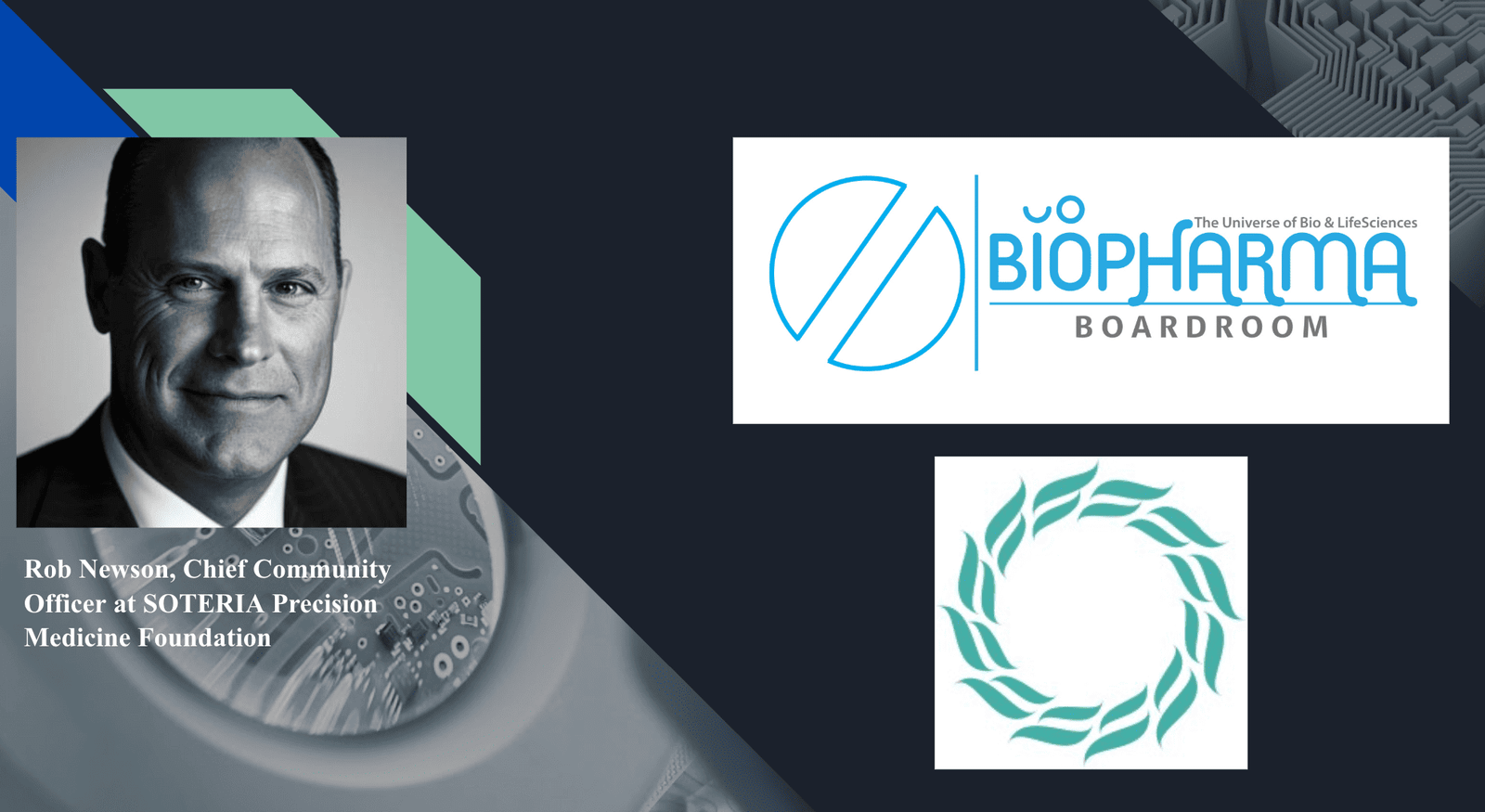
For military personnel and veterans diagnosed with cancer, accessing specialised testing and treatment options can be difficult, particularly when care is delayed by insurance restrictions or limited access to oncology specialists. SOTERIA Precision Medicine Foundation is addressing these gaps through its CANCER HUNT programme, which has supported 47 military cancer patients since launching in April 2026. BioPharma Boardroom speaks with CAPT Rob Newson, Chief Community Officer at SOTERIA, about expanding access to precision oncology, supporting treating physicians, building nationwide referral partnerships and investigating the links between military service, environmental exposures and cancer risk.
Q. What prompted SOTERIA to launch Cancer Hunt™ specifically for U.S. military service members and veterans, and what gaps in cancer care is the program designed to address?
For much of my 30-year career as a Navy SEAL, our mission was to identify threats, understand them, and bring the best capabilities available to bear against them. Today, we find ourselves engaged in a very different mission, but one that requires much the same approach.
In 2016, I was diagnosed with aggressive prostate cancer at age 51. Over time, I began hearing from more and more military friends and teammates facing cancer. Some were diagnosed at surprisingly young ages. Others had advanced disease by the time their cancers were discovered. Many struggled to understand their treatment options, obtain specialized testing, or navigate the healthcare system.These experiences raised a fundamental question: Are we doing enough to understand the cancer burden among those who have served, and are we bringing the best available cancer-fighting capabilities to their care?
SOTERIA Precision Medicine Foundation felt the need and the calling. Thankfully, SOTERIA jumped in to help provide an answer.Emerging research suggests we have reason to be concerned.A major study conducted by U.S. Special Operations Command and the Defense Health Agency examined cancer incidence among more than 231,000 Special Operations Forces personnel, comparing them with approximately 5.1 million non-SOF service members. The study identified an 18% higher incidence of malignant cancers among the SOF population, including a 33% higher incidence of melanoma and a 21% higher incidence of testicular cancer. It also identified differences in age at diagnosis for certain cancers. These findings do not establish that military service or specific exposures caused those cancers. They do, however, identify important patterns that warrant further investigation.
Another Department of Defense study examining active-component military deaths from 2010 through 2020 found that cancer accounted for approximately one in ten deaths, with more deaths attributed to cancer than to war operations during that period.Military service can involve extraordinary occupational and environmental exposures. Depending on their assignments, service members may encounter combustion products, industrial chemicals, particulate matter, radiation, explosives, and other hazards. Special Operations personnel may experience repeated and overlapping exposures over decades of service.Yet our ability to connect lifetime military exposure histories with cancer incidence, molecular characteristics, and long-term outcomes remains limited.We also see significant gaps in cancer care itself. Access to comprehensive genomic profiling varies considerably. Specialized oncology expertise is not equally available across the country. Patients may face insurance restrictions, fragmented medical records, delayed testing, and difficulty identifying appropriate clinical trials.These challenges are particularly difficult for someone who has just received a life-changing diagnosis.
SOTERIA launched CANCER HUNT™ to address two interconnected problems: help military cancer fighters obtain the best possible care today, and build the scientific understanding necessary to protect future generations.Our mission extends to active-duty personnel, National Guard and Reserve members, veterans, and the broader military community. We believe that military history should be considered an important part of a patient’s medical history, not simply a question about veteran status.Ultimately, our objective is straightforward. Those who served our country should not have to fight cancer alone, and they should have access to the rapidly advancing capabilities of precision medicine.
Q. Cancer Hunt™ provides comprehensive genomic profiling and biomarker interpretation at no cost to patients. How will this approach help veterans access personalized treatment options, particularly those facing insurance restrictions or delays in testing?
Cancer treatment is undergoing a profound transformation. Increasingly, the most important question is not simply where a cancer originated, but what is happening at the molecular level within that cancer.
Two patients with the same cancer diagnosis may have very different molecular characteristics, and those differences can influence which treatments are most appropriate.
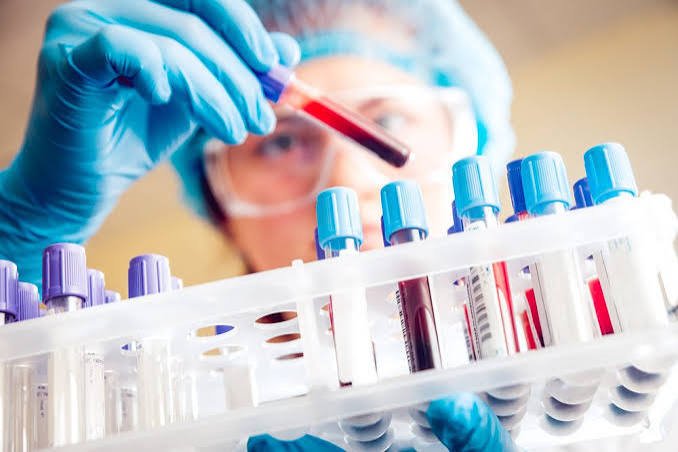
Comprehensive genomic profiling helps identify mutations, molecular alterations, and other biomarkers that may inform targeted therapies, immunotherapies, or clinical-trial opportunities. Depending on the clinical circumstances, testing may include tumor DNA, RNA, and inherited genetic information.
The problem is that these capabilities are not consistently available to patients at the point when they may be most useful.
Although many major cancer centers and the Department of Veterans Affairs have precision-oncology capabilities, access and timing vary by cancer type, stage, institution, and insurance coverage. Some patients receive extensive molecular testing early in their treatment. Others encounter delays, restrictive coverage criteria, or testing only after initial treatment options have failed.
For a patient with aggressive or advanced cancer, time matters.
At CANCER HUNT™, we believe that when comprehensive genomic profiling is clinically appropriate, it should be considered early enough to inform treatment decisions, rather than only after other options have been exhausted.
Through SOTERIA and our clinical and research collaborators, including Tempus, TGen / City of Hope, CUREMATCH, and others, we help eligible military cancer patients obtain comprehensive molecular characterization, expert interpretation, and identification of potentially relevant treatment and clinical-trial options.
Our approach includes advanced DNA and RNA analysis where appropriate, followed by multidisciplinary interpretation of the findings. This is important because identifying a molecular alteration is only the beginning. Understanding whether that finding is clinically meaningful requires specialized expertise.
We are also developing the TARGETx initiative with TGen / City of Hope, connecting advanced molecular profiling and multidisciplinary review with research designed to better understand cancer among military populations.
For the patient, the process is designed to be straightforward. We help obtain the necessary medical records and pathology materials, coordinate testing, review the findings with qualified experts, and communicate relevant information to the patient’s treating oncologist.
The patient does not have to become an expert in molecular oncology to benefit from molecular oncology.
Importantly, these services are provided at no cost to eligible patients supported by our program.
We are not suggesting that every cancer patient requires every available genomic test, or that molecular profiling will always identify a new treatment. Testing must be appropriate to the patient’s diagnosis and clinical circumstances.
But we do believe that a patient’s financial resources, geographic location, or ability to navigate complicated insurance requirements should not determine whether they can benefit from clinically meaningful molecular information.
For military cancer fighters, our objective is to help ensure that the right information reaches the right physician at the right time.
Q. The program brings together oncology nurse navigators, scientists, specialists and logistics coordinators. How will these teams work with treating oncologists to turn genomic findings into useful clinical information without disrupting existing patient care?
One of the most important principles of CANCER HUNT™ is that we support the treating oncology team. We do not replace it.
A patient may already be receiving excellent care at a VA hospital, a military treatment facility, a National Cancer Institute-designated cancer center, or a community oncology practice. Our role is to bring additional resources and expertise to that existing relationship.
Think of CANCER HUNT™ as a specialized support team that can be assembled around a patient and their physician.
Our oncology nurse navigators are central to this effort. They help patients understand the process, obtain medical records, coordinate molecular testing, identify outstanding clinical questions, and communicate with the treating team.
Behind them is a network of molecular scientists, oncology specialists, biomarker experts, and clinical-trial resources.
When appropriate, genomic findings can be reviewed through a multidisciplinary molecular tumor board. These discussions help translate complex molecular information into clinically relevant considerations, including potential therapies, additional diagnostic questions, and research opportunities.
Our goal is to provide the treating oncologist with actionable information, not another complicated report that creates additional work.
We recognize that oncologists are managing enormous clinical responsibilities. They may not have the time or resources to independently evaluate every emerging biomarker, investigate every relevant clinical trial, or coordinate testing across multiple institutions.
We want to help shoulder that burden. For example, consider a veteran receiving treatment at a community hospital who has advanced cancer. Their oncologist may have established an appropriate treatment plan, but comprehensive molecular profiling has not yet been performed.
CANCER HUNT™ can help determine whether additional testing is appropriate, facilitate that testing, and return an organized interpretation of the findings to the treating physician.
If a potentially relevant clinical trial is identified, we can help investigate eligibility, identify the trial site, and support communication among the patient, their physician, and the research institution.
We also recognize that a patient’s needs extend beyond molecular testing. Cancer affects families, finances, employment, mental health, and quality of life. Our navigation model therefore includes, where possible, connections to supportive care, nutrition, and survivorship resources.
One lesson from military service has stayed with me throughout this work: complicated missions require teams with complementary capabilities, clear responsibilities, and effective communication.
Cancer care is no different. We want oncologists to view SOTERIA as a trusted partner that brings additional capabilities to the fight, while respecting their clinical judgment and the patient’s existing care relationships. We have a 97% satisfaction rate with the oncology teams we support.
Q. SOTERIA is currently seeking patient referral partners across the United States. What are your priorities for building partnerships with hospitals, cancer centers and veteran-focused organizations, and how do you plan to reach patients who may not have access to specialized oncology services?
Our national partnership strategy begins with a simple observation: military cancer patients are distributed across thousands of communities and many different healthcare systems.
Some receive care through the Department of Veterans Affairs. Others use TRICARE, military treatment facilities, academic cancer centers, community hospitals, or private insurance. Many veterans receive their cancer care entirely outside the VA.
There is no single institution or referral pathway that reaches all of them. That means CANCER HUNT™ must be national in reach, institutionally collaborative, and capable of supporting patients regardless of where they receive treatment.
We are developing several complementary referral channels. The first involves military and veteran-serving nonprofit organizations. These organizations often have trusted, longstanding relationships with their communities. They understand the unique culture of military service, and they are frequently among the first places a veteran or family turns when facing a crisis.
The second involves state departments of veterans services, VA healthcare facilities, and military treatment facilities. We are building relationships that can help veteran-service officers, care coordinators, and healthcare professionals recognize when a patient may benefit from additional precision-oncology support.
The third involves hospitals and cancer centers. Our conversations with clinical leaders have reinforced an important point: many institutions already possess sophisticated oncology capabilities, but access to those capabilities can vary across their patient populations.
We are not trying to compete with those institutions. We want to complement their work, fill gaps when they exist, and help connect patients to specialized expertise.
The fourth involves corporate veteran employee-resource groups and professional military networks. These organizations can help reach veterans who may never interact with traditional veteran-service organizations.
Finally, we are developing relationships with national veteran referral networks and organizations that support wounded, ill, and injured service members.
The common element across all these channels is trust. Veterans are more likely to seek assistance when the introduction comes from someone who understands their community and can explain what help is available.
Our model is also designed to operate virtually. A patient should not have to relocate to a major academic medical center simply to receive expert molecular interpretation or help identifying clinical trials.
That does not eliminate geographic barriers to treatment, but it can help ensure that patients and their physicians have better information about available options.
We are particularly interested in building relationships with community oncology practices and healthcare systems serving rural or medically underserved veteran populations.
As these partnerships mature, we envision CANCER HUNT™ functioning as a national precision-oncology support network, connecting military cancer fighters with capabilities that might otherwise remain difficult to access.
We have already supported 47 military cancer fighters since launching the initiative in April 2026.
That number represents individual patients, but it also demonstrates something important about our approach: we can begin delivering meaningful support while simultaneously building the partnerships needed for national scale.
Our invitation to healthcare institutions and veteran organizations is simple. If you are caring for a military-connected cancer patient who may benefit from additional molecular information, expert interpretation, or clinical-trial exploration, we want to help.
Q. Beyond supporting individual patients, Cancer Hunt™ aims to collect long-term molecular and military exposure data. How could this research improve understanding of cancer risks among service members and veterans, and what safeguards will be in place to protect patient information?
This may ultimately be one of the most consequential dimensions of CANCER HUNT™.
We have growing evidence that certain military populations experience distinctive patterns of cancer incidence. What we do not yet understand sufficiently is why.
Military service can involve complex combinations of occupational exposures, environmental hazards, physical demands, operational stress, and other factors accumulated over decades.
Traditional cancer epidemiology has difficulty capturing that complexity, particularly when individuals move among military healthcare systems, the VA, and civilian healthcare after leaving service.
We believe precision medicine creates an opportunity to approach this problem differently.
By combining appropriately collected military service and exposure histories with molecular information, cancer characteristics, and longitudinal outcomes, researchers may be able to identify patterns that have previously been difficult to detect.
For example, researchers could investigate whether certain cancers or molecular alterations occur more frequently among individuals with similar occupational histories, deployment environments, or exposure profiles.
They could also examine whether particular military populations experience cancers at younger ages, whether molecular characteristics differ from comparison populations, and whether those differences have implications for screening or treatment.
These are research questions, not predetermined conclusions.
It is essential to distinguish an observed association from evidence of causation. We should not assume that a particular deployment, occupation, or exposure caused an individual’s cancer simply because the two occurred together.
Our goal is to generate scientifically credible evidence that can help answer those questions.
Through our collaborations and developing research initiatives, we are exploring several complementary approaches, including molecular characterization of advanced cancers, retrospective analysis of existing biological specimens, and prospective early-detection research.
One particularly exciting area is our proposed 2027 Precision Early Screening initiative.
We are developing a research pilot initially targeting approximately 500 participants from Special Operations and other military communities. The concept integrates military and occupational history, individual risk factors, emerging biomarker technologies, and clinically appropriate follow-up.
We are exploring a staged approach that could include an investigational saliva-based risk assessment, blood-based cancer-detection technologies, and protocol-defined diagnostic evaluation or imaging.
The objective is twofold: to study whether these technologies can improve risk-informed screening strategies and, just as importantly, to explore ways of identifying cancers earlier, when treatment may be more effective.
This work remains in the protocol-development stage. The assays, sampling strategy, clinical pathways, and participant safeguards must undergo appropriate scientific, regulatory, and ethical review before implementation.
Protecting participants is fundamental. For research involving identifiable patient information or biological specimens, we intend to use appropriate informed-consent procedures, independent ethical oversight where required, secure data systems, controlled access, and de-identification or coding of research datasets wherever feasible.
Research participation must be voluntary, and clinical services should not depend on a patient’s willingness to participate in optional research.
We also recognize that military exposure histories can contain sensitive information about assignments, operational activities, and locations. Research protocols must account for these considerations and avoid collecting unnecessary operational details.
The appropriate protections will depend on the specific research protocol, collaborating institutions, and applicable legal and regulatory requirements.
We want military cancer fighters to understand exactly what information is being collected, how it may be used, who may access it, and what protections apply.
Ultimately, our ambition is to create a learning system in which the experience of today’s cancer patients helps improve prevention, early detection, and treatment for tomorrow’s service members and veterans.
Q. As Cancer Hunt™ expands nationwide, how does SOTERIA plan to fund and sustain free genomic testing and patient navigation services, and what would success look like for the program over the next few years?
Sustaining CANCER HUNT™ requires us to solve two problems simultaneously: delivering high-quality, individualized support to patients today, and developing an operating model capable of reaching thousands of military cancer fighters in the future.
Precision oncology is not inexpensive. Comprehensive molecular testing, specialized clinical interpretation, nurse navigation, medical-record coordination, clinical-trial identification, and patient support all require resources.
Our early operating model has been built around philanthropy, institutional collaboration, and the generosity of organizations and individuals who believe our military community deserves access to these capabilities.
SOTERIA is a 501(c)(3) nonprofit organization. Our commitment is to provide supported services without charging eligible patients.
As we expand, we envision a diversified funding strategy involving individual philanthropy, family foundations, corporate partners, veteran-serving organizations, and research funding.
We also believe the biopharmaceutical and diagnostic industries have important opportunities to contribute.
Cancer drug developers, genomic-testing companies, diagnostic innovators, research institutions, and clinical-trial sponsors all have capabilities that could help advance this mission.
Some may contribute financial support. Others may provide technology, research expertise, testing capacity, data-analysis capabilities, or access to clinical research networks.
The key is to develop partnerships that advance the mission while preserving scientific independence, appropriate patient protections, and the primacy of clinical judgment.
Our expansion strategy is intentionally phased. The first phase is to demonstrate that we can deliver a comprehensive precision-oncology support model to an initial cohort of approximately 100 military cancer patients, learn from that experience, and improve operational efficiency.
The next objective is to scale toward 1,000 patients, followed by a longer-term ambition of supporting 5,000.
Achieving that scale will require standardizing workflows, expanding referral partnerships, strengthening our clinical and research collaborations, and reducing the cost of supporting each patient without compromising quality.
We also see two complementary funding streams emerging for our early-screening research.
One supports the scientific infrastructure, including study design, research coordination, data management, analysis, and evaluation.
The other supports participant-facing screening activities, potentially funded in collaboration with military and veteran nonprofit organizations that wish to sponsor participation from their communities.
This approach could enable multiple organizations to contribute to a common scientific effort while directly supporting the people they serve.
But I would not define success simply by the number of patients enrolled or the dollars raised.
Success means that a military cancer fighter receives clinically meaningful molecular information in time to inform treatment decisions.
It means a veteran in a small community can access specialized expertise without having to navigate the entire healthcare system alone.
It means a treating oncologist has better information about potential treatment options and clinical trials.
It means families have someone helping them through one of the most difficult experiences of their lives.
And, over time, it means we begin answering the scientific questions that have remained unresolved for too long about military service, occupational exposures, and cancer risk.
We should be able to measure our progress through patient access, testing turnaround times, clinical utility, treatment and trial opportunities identified, patient experience, and the quality of the research we produce.
For me, this mission is deeply personal. During my military career, I served alongside extraordinary men and women who accepted significant risks in service to our country. Some are now facing cancer, often years after their military service ended.
We owe them more than gratitude. We owe them a serious, sustained effort to understand the risks they faced, bring the best available medical capabilities to their care, and stand beside them and their families throughout the fight.
That is what CANCER HUNT™ is building. And we invite the biotechnology, pharmaceutical, medical, research, and veteran communities to join us.





© 2026 Biopharma Boardroom. All Rights Reserved.