02 November 2026 | Monday | News
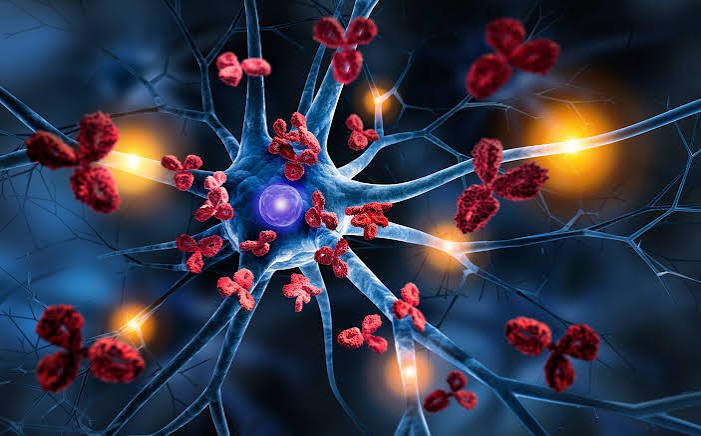
Image Source: Public Domain
Nanjing Leads Biolabs Co., Ltd. ("Leads Biolabs" or the "Company," Stock Code: 9887.HK) announced that the first patient with systemic lupus erythematosus (SLE) has been dosed in Part B of the Phase I clinical trial (LBL-047-CN001) of LBL-047, known outside Greater China as DNTH212, the Company's first-in-class bifunctional fusion protein targeting blood dendritic cell antigen 2 (BDCA2) and the transmembrane activator and CAML interactor (TACI). The dosing marks LBL-047's first entry into patients with autoimmune disease. By engaging two clinically validated disease-driving pathways that span innate and adaptive immunity, this differentiated design is now being directly evaluated in patients for the first time.
Part B of the study is designed to evaluate the safety, tolerability, pharmacokinetics/pharmacodynamics (PK/PD) and preliminary clinical efficacy of LBL-047 in patients with SLE. The study is led by Professors Ye Shuang and Chen Sheng at Renji Hospital, Shanghai Jiaotong University School of Medicine. Part A is being conducted at Shanghai Public Health Clinical Center, led by Professor Meng Xianmin. The accumulated safety and PK data from the Phase 1 Part A in healthy volunteers support advancing the study to the SLE cohort in accordance with the study protocol.
Executive Commentary
Dr. Charles Cai, Chief Medical Officer of Leads Biolabs, stated: "Progression of LBL-047 in the healthy-volunteer portion of the study has enabled us to advance into patients with SLE as planned. SLE is a heterogeneous autoimmune disease driven by complex interactions between innate and adaptive immunity, and targeting a single pathway may not adequately address its diverse underlying mechanisms. LBL-047’s bifunctional design aims to modulate two complementary disease-related pathways through a single molecule. With the first patient now dosed, we look forward to evaluating its safety, pharmacological activity, and preliminary clinical signals in patients. We will work closely with Dianthus to advance the global clinical development of LBL-047 and further evaluate its potential to offer a differentiated therapeutic approach for patients with SLE and other severe autoimmune diseases."
About Systemic Lupus Erythematosus (SLE)
SLE is a chronic autoimmune disease that follows a relapsing-remitting course, with flares alternating with periods of remission. Patient needs are substantial and growing in both China and the United States: approximately 107,000 new cases are diagnosed in China each year and approximately 34,000 in the United States, while approximately 600,000 patients in China and 180,000 in the United States receive ongoing treatment. Driven by complex disease mechanisms and heterogeneity, pathogenic pathways involving interferon, B cells and plasma cells differ substantially across patients. Currently available antibody therapies cover only a limited patient population, while long-term use of conventional corticosteroids and broad-spectrum immunosuppressants carries multiple safety risks, including infection and osteoporosis. In refractory patients, disease remains active despite standard-of-care treatment, with progressive organ damage, leaving a prominent and urgent unmet medical need.
About LBL-047
LBL-047 is a bifunctional fusion protein composed of a humanized anti-blood dendritic cell antigen 2 (BDCA2) antibody and an engineered transmembrane activator and CAML interactor (TACI) ectodomain. It is designed to selectively deplete pDCs to reduce type 1 interferon production, while simultaneously inhibiting B-cell activating factor (BAFF) and a proliferation-inducing ligand (APRIL) signaling pathways to suppress B-cell activation, differentiation, and antibody production. By targeting two key drivers of autoimmune disease pathogenesis, this differentiated approach has the potential to address multiple autoimmune indications. Additionally, LBL-047 has been optimized with Fc engineering to extend its half-life, offering the potential for a patient-friendly subcutaneous self-administration regimen dosed Q4W or less frequently, supporting its potential as a first-line biologic therapy.
On October 16, 2025, Leads Biolabs entered into an exclusive global partnership with Dianthus, a clinical-stage biotechnology company developing next-generation therapeutics to address severe autoimmune diseases, with the total potential deal value reaching up to $1 billion. Under the agreement, Dianthus was granted exclusive global rights to research, develop, manufacture, and commercialize LBL-047 outside Greater China, where it is known as DNTH212, jointly advancing its global development to maximize clinical and commercial potential.




© 2026 Biopharma Boardroom. All Rights Reserved.