12 December 2025 | Friday | News

Savara Inc. (Nasdaq: SVRA) (the Company), a clinical stage biopharmaceutical company focused on rare respiratory diseases, announced the EPO notified the Company of its intention to grant a patent application covering the liquid formulation of MOLBREEVI, an orally inhaled recombinant human granulocyte-macrophage colony-stimulating factor (GM-CSF).
“The liquid formulation and drug-device patents will provide protection in Europe through March 2041 and March 2043, respectively, and strengthen the Company’s intellectual property portfolio for MOLBREEVI, our potentially first-in-class therapy to treat autoimmune PAP,” said Matt Pauls, J.D., M.B.A, Chair and Chief Executive Officer, Savara. “Additionally, upon approval in the EU, MOLBREEVI will have 10 years of Orphan Drug regulatory exclusivity. We expect to resubmit the MOLBREEVI BLA to the FDA this month and are preparing to submit the MAA submissions in the EU and the U.K. by the end of 1Q 2026.”
MOLBREEVI, delivered via the proprietary eFlow® Nebulizer System, has been granted Fast Track and Breakthrough Therapy Designations by the U.S. Food and Drug Administration (FDA), Orphan Drug Designation by the FDA and by the European Medicines Agency (EMA), and Innovation Passport (IP) and Promising Innovative Medicine (PIM) designations by the U.K.’s Medicines and Healthcare Products Regulatory Agency (MHRA) for the treatment of autoimmune PAP.
About Autoimmune Pulmonary Alveolar Proteinosis (Autoimmune PAP)
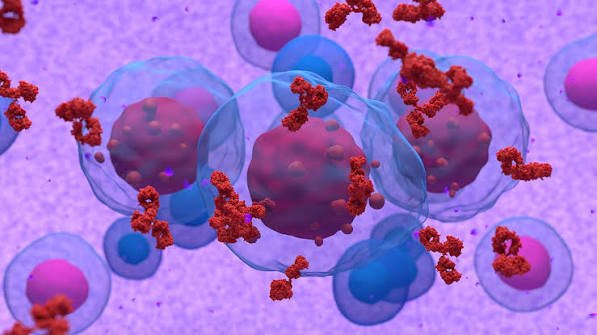
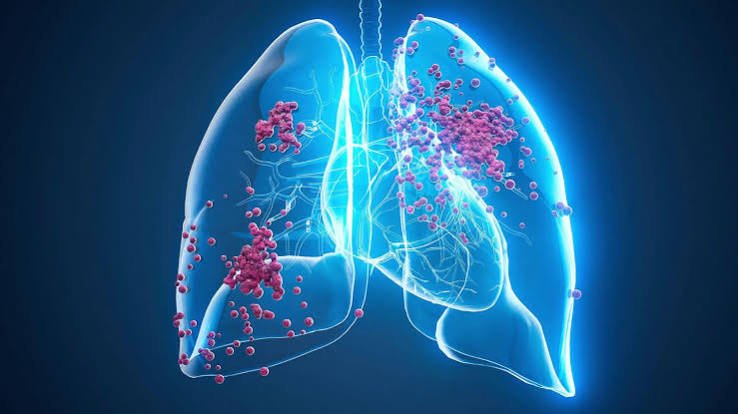
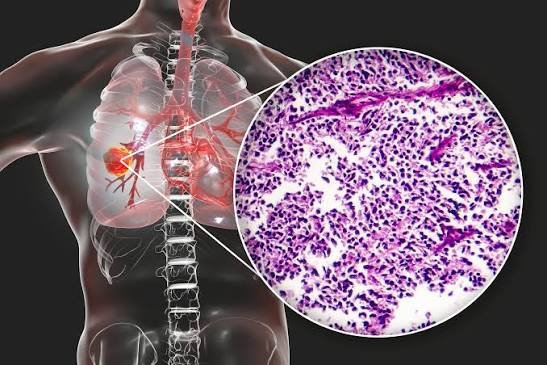
Autoimmune PAP is a rare lung disease characterized by the abnormal build-up of surfactant in the alveoli of the lungs. Surfactant consists of proteins and lipids and is an important physiological substance that lines the alveoli to prevent them from collapsing. In a healthy lung, excess surfactant is cleared and digested by immune cells called alveolar macrophages. Alveolar macrophages need to be stimulated by granulocyte-macrophage colony-stimulating factor (GM-CSF) to function properly in clearing surfactant, but in autoimmune PAP, GM-CSF is neutralized by antibodies against GM-CSF, rendering macrophages unable to adequately clear surfactant. As a result, an excess of surfactant accumulates in the alveoli, causing impaired gas exchange, resulting in clinical symptoms of shortness of breath, often with cough and frequent fatigue. Patients may also experience episodes of fever, chest pain, or coughing up blood, especially if secondary lung infection develops. In the long term, the disease can lead to serious complications, including lung fibrosis and the need for a lung transplant.









© 2026 Biopharma Boardroom. All Rights Reserved.