23 October 2026 | Friday | News
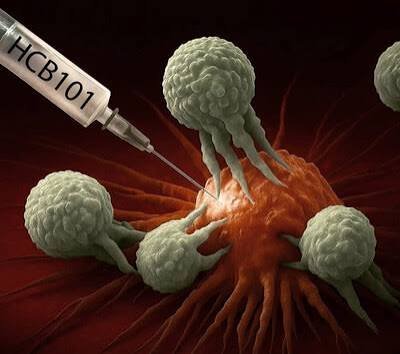
Image Source: Public Domain
HanchorBio, Inc. (TWSE: 7827), a global clinical-stage biotechnology company developing innovative immunotherapies for cancer and immune-mediated diseases, and Aston Sci, Inc., a clinical-stage biotechnology company advancing next-generation immunotherapies, announced a strategic research collaboration to evaluate novel combination therapies joining HanchorBio's HCB101 macrophage-directed immunotherapy with Aston Sci's therapeutic cancer vaccine candidates.
Established under a Memorandum of Understanding (MOU), the collaboration will initially evaluate HCB101 alongside Aston Sci's lead candidate, AST-301, a HER2-directed plasmid DNA therapeutic vaccine currently in Phase 2 clinical trials. The companies will also explore combinations involving an investigational PD-L1 therapeutic vaccine, extending the collaboration across distinct vaccine modalities and immune mechanisms.
This strategic partnership advances HanchorBio's strategy to integrate vaccine-directed immune education with macrophage-mediated immune activation, expanding market opportunities, potential clinical indications, and co-development partnerships for both organizations.
Bridging Vaccine-Directed Immune Education with Durable Macrophage Enhancement
Therapeutic cancer vaccines are experiencing renewed momentum across the biopharmaceutical sector, underscored by recent landmark Phase 3 readouts in mRNA neoantigen therapies. However, translating antigen-specific T-cell responses into durable, long-term clinical benefits remains a core challenge because immunosuppressive tumor microenvironments (TMEs) and immune evasion limit their persistence.
HanchorBio and Aston Sci aim to address these challenges by coordinating two arms of the immune system: pairing vaccine-driven adaptive T-cell priming with macrophage-driven innate tumor clearance, followed by antigen presentation that de novo activates additional tumor-reactive T-cell clones.
HCB101 is an engineered SIRPα–IgG4 Fc fusion protein developed through HanchorBio's proprietary FBDB™ platform. Designed to block the CD47–SIRPα "don't eat me" signal, HCB101 reactivates macrophage phagocytosis while minimizing red blood cell toxicity.
By combining HCB101 with Aston Sci's therapeutic cancer vaccines, the companies intend to create a continuous, self-reinforcing immune loop:
Educate: Therapeutic vaccines generate robust, antigen-specific adaptive T-cell responses.
Execute: HCB101 unblocks tumor-associated macrophages to clear targeted cancer cells.
Amplify: Enhanced phagocytosis releases endogenous tumor neoantigens into the TME.
Re-Engage (Antigen Spreading): Broadened antigen presentation primes new T-cell clones, preventing immune escape and driving durable tumor suppression.
"Cancer vaccines are entering a new era, but teaching the immune system to recognize cancer is only part of the challenge," said Scott Liu, PhD, Founder, Chairman, and CEO of HanchorBio. "We believe the next major breakthrough lies in connecting immune education with immune execution. By pairing HCB101 with Aston Sci's vaccine platform, we aim to expand the utility of both pipelines and pioneer combination regimens that transcend traditional single-pathway therapies."
Complementary Pipelines and Clinical Strategy
The initial translational research will combine HCB101 with AST-301, Aston Sci's HER2-directed DNA vaccine currently in Phase 2 clinical development for breast and gastric cancers. Notably, both AST-301 and HCB101 have received U.S. FDA Orphan Drug Designation (ODD) for gastric cancer, establishing a validated regulatory foundation for future joint clinical development.
Preclinical and translational evaluations will measure antitumor efficacy, macrophage reactivation, T-cell kinetics, and epitope spreading beyond HER2. Follow-on studies will explore Aston Sci's investigational PD-L1 cancer vaccine.
"Therapeutic cancer vaccines hold immense clinical promise, but unlocking their full potential requires pairing them with synergistic immune mechanisms," said Wonil Kim, PhD, CSO of Aston Sci. Inc. "Partnering with HanchorBio allows us to evaluate how HCB101's macrophage checkpoint blockade complements AST-301's T-cell activation, opening an emerging immunotherapy for patients with hard-to-treat solid tumors."
Path to Commercial and Strategic Value Creation
The joint strategy emphasizes rapid mechanistic validation to support future clinical co-development. Target indications include HER2-expressing gastric, gastroesophageal junction (GEJ), breast, and colorectal cancers, with a strategic focus on consolidation or maintenance settings to achieve chemotherapy-sparing, long-term tumor control.
"The right tumor biology, clinical setting, and combination strategy are critical to maximizing vaccine performance," said Alvin Luk, PhD, MBA, CCRA, President and Chief Medical Officer (Group) and CEO (USA) of HanchorBio. "Our goal is to demonstrate that pairing immune priming with macrophage engagement leads to deeper, more durable responses. Success here could transform treatment paradigms across multiple solid tumor settings."
Global Partnering at BIO-Europe 2026
Executive leadership from both HanchorBio and Aston Sci will attend BIO-Europe 2026 in Cologne, Germany (November 9–11, 2026) to present the scientific rationale behind the combination and to engage with potential global pharmaceutical partners and investors on next-generation immunotherapy and future strategic collaboration opportunities.




© 2026 Biopharma Boardroom. All Rights Reserved.