26 December 2025 | Friday | News
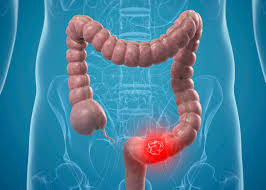
Innovent Biologics, Inc., a world-class biopharmaceutical company that develops, manufactures and commercializes high quality medicines for the treatment of oncology, cardiovascular and metabolic, autoimmune, ophthalmology and other major diseases, announces that the New Drug Application (NDA) for TABOSUN® (ipilimumab N01 injection; R&D Code: IBI310), the first domestic cytotoxic lymphocyte-associated antigen-4 (CTLA-4) monoclonal antibody (mAb), has been approved by China's National Medical Products Administration (NMPA), in combination with sintilimab as neoadjuvant treatment for stage IIB-III resectable microsatellite instability-high (MSI-H) or mismatch repair deficient (dMMR) colon cancer. TABOSUN® (ipilimumab N01 injection) is the world's first approved CTLA-4 mAb for neoadjuvant treatment of colon cancer. Short-term neoadjuvant treatment with the ipilimumab N01 and sintilimab combination demonstrated a substantial improvement in pathological complete response, offering the potential to benefit a broader population of patients with MSI-H/dMMR colon cancer.
Resectable MSI-H/dMMR colon cancer urgently requires effective neoadjuvant therapies to improve prognosis
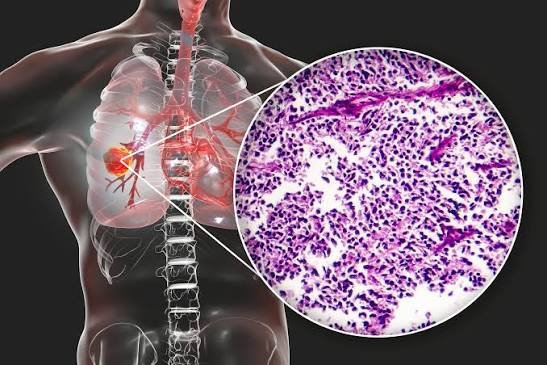
MSI-H/dMMR colon cancer accounts for around 15% of all resectable colon cancer cases[ii]. Due to its unique biological characteristics, this class of tumor shows limited sensitivity to chemotherapy and generally responds poorly[iii]. In recent years, immune checkpoint inhibitors have demonstrated significant efficacy in advanced MSI-H/dMMR colon cancer, but a gap remains in the neoadjuvant setting. For locally advanced MSI-H/dMMR colon cancer, the current standard of care is direct surgery followed by adjuvant chemotherapy. Under this regimen, approximately 10%-30% of patients experience disease recurrence or metastasis after surgery, while chemotherapy-related toxicities may negatively affect quality of life[iv]. Thus in the neoadjuvant setting, there remains an urgent need for more effective therapies to improve outcomes for patients with locally advanced MSI-H/dMMR colon cancer.
The world's first dual-IO neoadjuvant therapy: TABOSUN® (ipilimumab N01 injection) combined with TYVYT® (sintilimab injection) markedly enhances pathological complete response rates
Immune checkpoint blockade (ICB) therapy targeting PD-1 and CTLA-4 has transformed cancer treatment. The combination of DABOSUN® (ipilimumab N01 injection) and TYVYT® (sintilimab injection) as neoadjuvant therapy can significantly improve pathological complete response(pCR) rates and allow the majority of patients to avoid adjuvant chemotherapy.
Previously, results from a randomized, controlled Phase 1b trial evaluating ipilimumab N01 plus sintilimab as neoadjuvant treatment for MSI-H/dMMR colon cancer were published in the top-tier journal Cancer Cell[i].
Approval is based on results from the randomized, controlled, multicenter, pivotal Phase 3 clinical trial (NeoShot, NCT05890742), which evaluated the safety and efficacy of ipilimumab N01 combined with sintilimab as neoadjuvant therapy compared with direct radical surgery for MSI-H/dMMR colon cancer. The primary endpoints are pCR rate and event-free survival (EFS). Interim analysis by the Independent Data Monitoring Committee (IDMC) confirmed that the NeoShot trial met its primary endpoint.
Detailed results will be presented at future academic conferences or published in academic journals.
The Principal Investigator of the NeoShot study, Academician of the Chinese Academy of Engineering, Prof. Ruihua Xu from Sun Yat-sen University Cancer Center, stated: "Achieving R0 resection remains challenging for certain patients with locally advanced colon cancer, who also face substantial surgical trauma and poor prognosis. Results from the FOxTROT study indicated that neoadjuvant chemotherapy provides limited benefit in MSI-H/dMMR colon cancer, with a pCR rate of only around 5%[v]. The NeoShot trial is the first randomized, controlled Phase 3 clinical trial to show promising efficacy of dual checkpoint inhibition as neoadjuvant therapy in MSI-H/dMMR colon cancer. Interim analysis suggests that ipilimumab N01 with sintilimab as short-term neoadjuvant treatment can lead to pathological complete response in 82% of treated patients. In addition, NeoShot Ph1b and Ph3 interim results both show the R0 resection under this regimen could reach 100% and spare patients from adjuvant chemotherapy. In NeoShot-1b, the dual-immunotherapy neoadjuvant regimen combining ipilimumab N01 and sintilimab significantly improved the pCR rate, which serves as a surrogate endpoint for long-term prognosis. Based on the existing data, this regimen shows promising potential to reduce recurrence risk and improve long-term survival outcomes. We look forward to observing continued reductions in recurrence with longer-term follow-up. The approval of this dual-immunotherapy regimen is expected to change clinical practice, fill a critical gap in neoadjuvant treatment of colon cancer and benefit more patients with MSI-H/dMMR colon cancer."
Dr. Hui Zhou, Chief R&D Officer (Oncology) of Innovent, stated: "There remains a substantial unmet clinical need for neoadjuvant therapies for stage IIB-III resectable MSI-H/dMMR colon cancer in China. Interim analysis has shown that the NeoShot trial met its primary endpoint. Through Innovent's efficient and high-quality clinical development, ipilimumab N01 has become China's first domestically developed innovative CTLA-4 inhibitor approved by the NMPA, offering a new treatment option for patients in China with stage IIB-III resectable MSI-H/dMMR colon cancer."








© 2026 Biopharma Boardroom. All Rights Reserved.