19 January 2026 | Monday | News

CAPLYTA® nearly doubled the likelihood of remission at six weeks compared to placebo as an adjunctive therapy to an antidepressant based on pooled data from two Phase 3 studies
65% of patients reached remission with CAPLYTA®, with 43% achieving sustained relief from symptoms, in a six-month open-label extension safety study
Newly approved as an adjunctive for major depressive disorder, CAPLYTA® supports the ultimate treatment goal of remission with robust short-term data and long-term open-label safety data
Johnson & Johnson announced a new analysis of Phase 3 data which found CAPLYTA® (lumateperone), in combination with an antidepressant, showed significantly greater remission rates in adults with major depressive disorder (MDD) than placebo plus an antidepressant at six weeks, with continued benefits observed through six months in an open-label extension study. The findings are featured in one of 11 abstracts from across Johnson & Johnson's neuropsychiatry portfolio that were presented at the 64th Annual Meeting of the American College of Neuropsychopharmacology (ACNP), held from January 12-15, in Nassau, Bahamas.
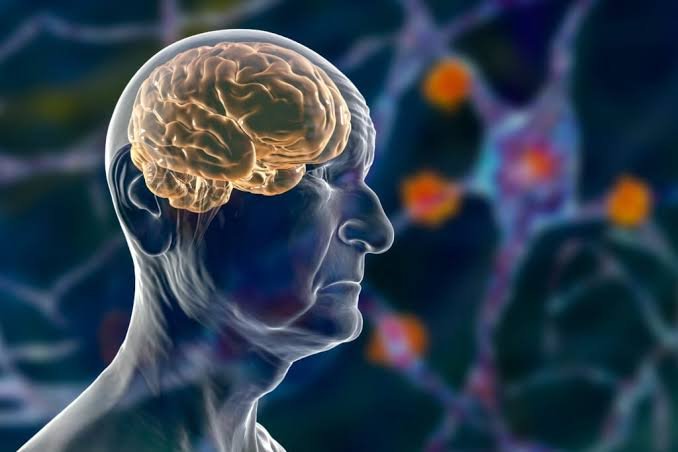
MDD is one of the most common psychiatric disorders, affecting about 22 million American adults.1,2 While remission – relief from depressive symptoms – is the ultimate goal of treatment, nearly two-thirds of patients do not achieve it with available therapies. Patients with residual symptoms experience prolonged psychosocial impairment, higher relapse risk and overall reduced quality of life.3Beyond its toll on patients' well-being, MDD has a substantial economic burden and is the leading cause of disability in the U.S.4
CAPLYTA® may help patients achieve the goal of remission
To evaluate how CAPLYTA® may help patients achieve the goal of remission, the analysis draws from three Phase 3 CAPLYTA® studies, including pooled data from two pivotal efficacy and safety trials (Studies 501 and 502) and a six-month open-label extension safety study (Study 503).5,6,7 The analysis evaluated three measures of remission, as defined by the Montgomery-Asberg Depression Rating Scale (MADRS): remission (defined as MADRS ≤10), complete remission (defined as MADRS ≤5), and sustained remission (defined as MADRS ≤10 maintained at each assessment) to assess the potential resolution and durability of relief from symptoms. Across all three measures, CAPLYTA® demonstrated meaningful remission rates, highlighting both the depth and durability of improvement for patients living with MDD.
"Today, remission is out of reach for the majority of patients with depression, which means they continue to struggle with persistent symptoms that negatively impact their daily lives," said Michael E. Thase, M.D., Professor of Psychiatry and Chief, Division of Mood and Anxiety Disorders Treatment & Research Program, Perelman School of Medicine at University of Pennsylvania.8,9,a "These data capture not only symptom reduction, but also the durability and depth of treatment response, which are critical benchmarks for patients and clinicians striving for lasting relief. The findings demonstrate that adjunctive lumateperone may almost double the likelihood of remission, with benefits sustained over six months, offering renewed hope to millions of adults seeking recovery from this disease.1,2"
Detailed study findings
In the pooled pivotal data, almost twice as many patients reached remission (MADRS ≤10) at six weeks with adjunctive CAPLYTA®compared to placebo (25.5 percent versus 13.6 percent; nominal p<0.0001), with 10.6 percent of patients achieving complete remission (MADRS ≤5) with CAPLYTA® plus an antidepressant compared to 5.6 percent with placebo plus an antidepressant (p<0.01). At six weeks, significantly greater remission rates with CAPLYTA® versus placebo were consistent across patient subgroups, including age, antidepressant type (SSRI/SNRI), and baseline severity.
In Study 503, a six-month open-label extension safety study (n = 809), efficacy was maintained with long-term CAPLYTA® treatment, with nearly two out of three patients (65.4 percent; n = 529) reaching remission (MADRS ≤10). Complete remission (MADRS ≤5) was reached by 44.1 percent (n = 357) of patients. Notably, almost half of patients (42.8 percent; n = 346) experienced sustained remission (MADRS ≤10 at each assessment) by the end of treatment, with rates increasing steadily throughout the study: Week 8 (28.6 percent; n = 231), Week 16 (37.2 percent; n = 301), and Week 24 (40.8 percent; n = 330). Remission rates were consistent across patient subgroups, including age, antidepressant type (SSRI/SNRI), and baseline severity.
"What matters most to patients isn't just an improvement in symptoms, but sustained relief that allows them to truly reclaim their lives," said Bill Martin, Ph.D., Global Therapeutic Area Head, Neuroscience, Johnson & Johnson Innovative Medicine. "Too many patients spend years cycling through treatments, settling for 'good enough' because they don't realize complete relief is possible. These data demonstrate that remission is within reach and should be the expectation, not the exception."
CAPLYTA® was recently approved by the U.S. Food and Drug Association (FDA) in November 2025 as an adjunctive therapy for MDDand is also indicated for the treatment of schizophrenia and depressive episodes associated with bipolar I or II disorder. While the mechanism of action is unknown, CAPLYTA® is characterized by high serotonin 5-HT2A receptor occupancy and moderate amounts of dopamine D2 receptor occupancy at therapeutic doses. CAPLYTA® does not need dose titration, allowing patients to start treatment at the effective dose of 42 mg.3,10
A supplemental New Drug Application (sNDA) for CAPLYTA® with long-term data evaluating the safety and efficacy of the medication for the prevention of relapse in schizophrenia was submitted to the FDA. The medication is also being studied for other neuropsychiatric disorders. CAPLYTA® is not FDA-approved for these disorders.









© 2026 Biopharma Boardroom. All Rights Reserved.