30 September 2026 | Wednesday | News
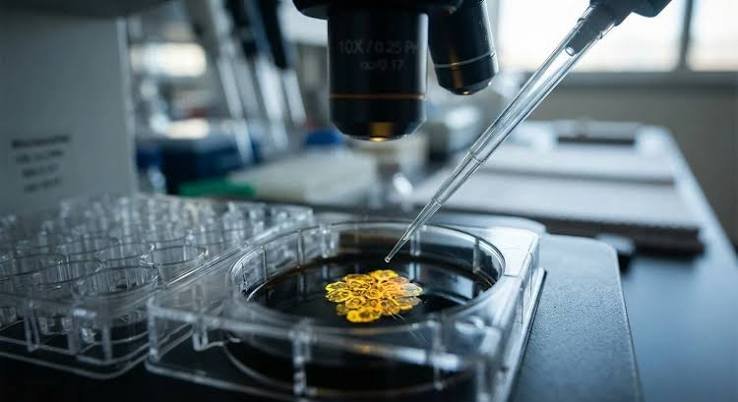
Image Source: Public Domain
– KO-7246 regenerated functional β-cell mass and produced durable glycemic control in Type 1 and Type 2 diabetes models –
– KO-7246 has potential to complement existing diabetes therapies with a novel mechanism of action, evidenced by post-treatment durability and combination benefit with semaglutide –
– Findings highlight a potentially disease-modifying approach designed to restore the body’s own endogenous insulin-producing capacity –
– Caspian is building a leadership position in menin-directed therapies for diabetes and other cardiometabolic diseases
Caspian Therapeutics, Inc. (“Caspian”) and Kura Oncology, Inc. (Nasdaq: KURA, “Kura”) announced comprehensive preclinical data supporting KO-7246 as a potential best-in-class menin inhibitor for diabetes. KO-7246 regenerated functional β-cell mass, demonstrated durable glycemic control, and increased endogenous insulin production in preclinical models of Type 1 and Type 2 diabetes. In human islets, KO-7246 selectively increased β-cell proliferation and improved glucose-responsive insulin secretion. Together, the findings establish a differentiated preclinical profile including validated activity as a menin inhibitor, durable disease-relevant activity, and confirmed translation to a human-islet setting.
The data were generated by Kura Oncology prior to the launch of Caspian in September 2026. Francis Burrows, Ph.D., Chief Scientific Officer of Kura Oncology, presented the findings today at the 62nd European Association for the Study of Diabetes Annual Meeting (EASD) in Milan, Italy.
Menin acts as a molecular brake on pancreatic β-cell proliferation. With its menin inhibitor platform, Caspian is pursuing a potentially disease-modifying approach designed to increase functional β-cell mass and restore the body’s insulin-producing capacity.
“Menin is a compelling target in diabetes because multiple lines of evidence, from human physiology and genetics to pharmacologic studies, point to its role in regulating β-cell mass,” said Dr. Burrows. “KO-7246 gives us a potent, selective way to test whether menin inhibition can harness this biology to restore endogenous insulin-producing capacity in both Type 1 and Type 2 diabetes. Its potency and selectivity as a menin inhibitor, as well as its activity in a range of diabetes preclinical models, distinguish KO-7246 from earlier approaches and support its potential to become a best-in-class menin inhibitor for diabetes.”
In a rat model of Type 1 diabetes, KO-7246 normalized fasting blood glucose in a majority of animals and increased stimulated C-peptide, a marker of endogenous insulin production. Among responder animals, pancreatic islets regenerated to 40-90% of levels seen in healthy controls by Day 56. Importantly, normalized glucose levels and increased C-peptide were maintained for at least one month after treatment was stopped, while residual cell proliferation was negligible. Together, these findings suggest that KO-7246 rebuilt functional β-cell capacity and that the benefit persisted after dosing ended. The dependence of response on residual β-cell capacity at the baseline was also consistent with the proposed regenerative mechanism.
In a mouse model of Type 2 diabetes, KO-7246 significantly reduced fasting blood glucose, increased insulin and C-peptide levels, and produced a 3.4-fold increase in β-cell mass. KO-7246 also demonstrated enhanced activity in combination with semaglutide, highlighting its potential to complement existing GLP-1 therapies. The increase in insulin was not associated with hypoglycemia. These findings suggest that KO-7246 could provide a differentiated therapeutic benefit as either a monotherapy or a complement to widely used glucose-lowering treatments.
In human pancreatic islet models, KO-7246 increased β-cell proliferation and the proportion of β-cells without stimulating growth of other islet cells, and improved insulin release in response to glucose. These findings provide additional evidence that the regenerative effects observed in animal models extend to human β-cell systems. The selective effect on β-cells further differentiates KO-7246 from broader proliferative approaches that could stimulate non-β-cell growth.
The presentation included data highlighting KO-7246’s differentiated pharmacology compared to other targeted therapies in clinical development for diabetes. KO-7246 demonstrated potent menin inhibition in biochemical and cellular assays, while BMF-219 (icovamenib) showed no discernable activity against menin in the biochemical assay but instead inhibited several kinases, including CDK9. In vivo evidence of bona fide menin pharmacology was demonstrated with KO-7246 in a menin-dependent leukemia model, while BMF-219 showed no efficacy even at an 8-fold higher daily dose. In the Type 1 diabetes model, where KO-7246 restored glycemic control and increased β-cell mass, BMF-219 did not produce either of these effects. Taken together, these comparative results support KO-7246’s profile as a bona fide and highly selective menin inhibitor with potential as a differentiated therapy for diabetes.
“We believe KO-7246 has one of the most comprehensive preclinical profiles reported for a menin inhibitor being developed for diabetes. It combines bona fide menin pharmacology with durable β-cell regeneration, activity in both Type 1 and Type 2 diabetes models, and potent and selective effects on β cells in human islets,” said Robert Spencer, Ph.D., President and Chief Operating Officer of Caspian Therapeutics. “Caspian was formed to translate this biology into potentially disease-modifying medicines. We believe these data provide a strong foundation for KO-7246 to become a best-in-class menin inhibitor and for Caspian to lead the development of menin-directed therapies for diabetes and other cardiometabolic diseases. We are advancing KO-7246 through IND-enabling development toward initial clinical evaluation.”





© 2026 Biopharma Boardroom. All Rights Reserved.