29 October 2026 | Thursday | News
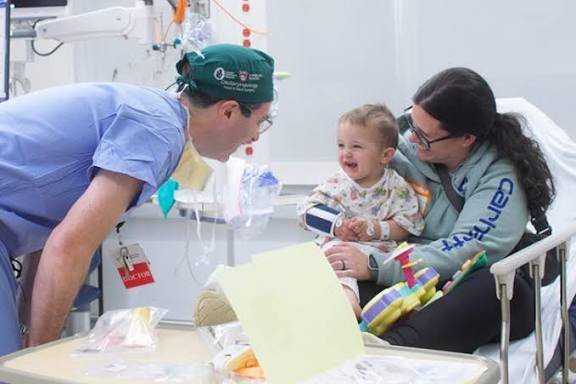
OTXL-101, a promising therapy in development for a severe, rare pediatric metabolic condition, becomes the first pipeline program to be in-licensed by Orphan Therapeutics Accelerator (OTXL)
Orphan Therapeutics Accelerator (OTXL), a patient-centered non-profit biotech focused on reinitiating development and enabling commercial access to shelved therapies for rare diseases, announced an agreement with UCL Ventures and Children's Medical Research Institute (CMRI) to in-license an investigational gene therapy program for ornithine transcarbamylase deficiency (OTCD). In-licensing OTXL-101 is the latest in a stretch of major 2026 milestones for the organization, which most recently included the first nonprofit-led commercial launch of an individualized gene therapy in the US.
OTCD is a rare disorder resulting from a mutation in the OTC gene, which is responsible for producing ornithine transcarbamylase, an enzyme that plays a vital role in the urea cycle by removing excess nitrogen. The resulting inability to adequately remove nitrogen can lead to accumulation of toxic ammonia in the blood, creating a risk of hyperammonemic crises, coma, neurological injury and other life-threatening complications.
Originally developed through a collaboration between Professor Paul Gissen and the OTCD project team at University College London (UCL) and Professor Ian Alexander and colleagues at CMRI, the therapy (AAVLK03hOTC) uses an adeno-associated virus (AAV) vector designed to target the liver and restore urea cycle activity.
The experimental treatment was out-licensed to a biotech company that initiated a Phase 1/2 study, the HORACE trial (NCT05092685), in October 2023, with the first of a planned 12-patient cohort treated at Great Ormond Street Hospital (GOSH) before the sponsor became insolvent and the program was returned to UCL and CMRI. Data presented at the ASGCT Annual Meeting in 2025 on the treated patient indicated a positive and durable response to the therapy at 17 months post-treatment.
OTXL-101 is the only gene therapy for OTCD in clinical development targeting pediatric to adolescent patients (ages 2-18) with OTCD. The therapy holds US and EU Orphan Drug Designations and a US Rare Pediatric Disease Designation, making it eligible to be granted a Priority Review Voucher if approved.
"This is exactly the kind of collaboration we were built to enable," said Craig Martin, CEO and Co-founder of Orphan Therapeutics Accelerator. "The initial clinical evidence for OTXL-101 spans more than two and a half years, which gives us a sense of its potential to benefit patients. We are now poised to use our fit-for-purpose non-profit model to control costs, fund and advance clinical development, and support commercial access if approved."
The OTXL model is comprised of four integrated elements. At the core is a non-profit biotech, Orphan Therapeutics Accelerator, which leverages tax and other incentives to in-license therapies with minimal upfront costs. Development is supported by Orphan ClinDevNet, a network of affiliated CDMO, CRO and other partners working under reduced-cost, success-based agreements. Approved products can then be commercialized through Orphan Therapies, OTXL's tax-exempt commercial subsidiary, or out-licensed to biotech or biopharma partners. Support for OTXL and other programs in need of financing or partners can be accelerated and facilitated through CGTxchange, an AI-enabled marketplace, diligence and deal-making platform established through a joint venture between OTXL and the American Society of Gene & Cell Therapy (ASGCT).
"Whether it's an ultra-rare disease or a condition that affects many, our aim is to bring therapeutics from UCL labs to the market where they can transform people's lives," said Rick Fagan, Director of Biopharm at UCL Ventures, the commercialization company for UCL. "We are proud to have worked closely with Paul Gissen, Craig Martin and their respective teams to find a way to continue development of this therapy, and to be at the forefront in demonstrating a new pathway for other vital therapies that might otherwise not reach patients."
Professor Thomas Voit, Director of the NIHR GOSH BRC, said: "If we're going to develop new and better treatments for children and young people with rare diseases, we require strong and sustained collaboration across research institutions, hospitals, funders, and industry partners. It's encouraging to see this program move forwards and we're pleased to be at the forefront of continuing to develop this novel therapy which is so desperately needed for children affected by ornithine transcarbamylase deficiency."
"CMRI's mission is to find treatments and cures for serious diseases affecting children," stated Professor Roger Reddel, Director of CMRI. "This collaboration provides an opportunity to carry forward the ground-breaking work of Professor Alexander and the gene therapy team and to validate an innovative treatment development and commercialization model designed to meet the needs of institutions focused on developing genetic medicines for rare diseases."



© 2026 Biopharma Boardroom. All Rights Reserved.