24 December 2025 | Wednesday | News

Biosplice Therapeutics, Inc. (“Biosplice”), a clinical-stage biotechnology company advancing small-molecule inhibition of CDC-like kinases (CLK) and dual-specificity tyrosine phosphorylation-regulated (DYRK) kinases, announced that the first patient has been dosed in a Phase 1 clinical trial evaluating cirtuvivint in combination with olaparib in women with BRCA-mutated and/or homologous recombination-deficient (HRD) platinum-resistant ovarian cancer.
The investigator-initiated trial, “Cirtuvivint and Olaparib for the Treatment of Patients with BRCA/HRD Platinum Resistant Ovarian Cancer” (NCI-2024-09126; NCT06856499), is sponsored by UCHealth University of Colorado Hospital and led by principal investigator Bradley R. Corr, MD, associate professor and director of clinical research in gynecologic oncology at the University of Colorado Anschutz.
This open-label Phase 1 study uses a dose-escalation design followed by a dose-expansion cohort. Its primary objectives are to assess the safety and tolerability of the cirtuvivint–olaparib combination and to determine a recommended Phase 2 dose and regimen in women with BRCA/HRD platinum-resistant ovarian cancer who have previously received a PARP inhibitor.
“Dosing the first patient in this trial marks an important next step for cirtuvivint’s development and for patients living with therapy-resistant ovarian cancer,” said Yusuf Yazici, MD, Chief Medical Officer of Biosplice. “Preclinical work from Dr. Corr, Dr. Bitler and colleagues at CU Anschutz suggests that cirtuvivint can disrupt key resistance pathways and work synergistically with PARP inhibition. We’re pleased to support this fully oral, targeted combination as it enters the clinic for women who urgently need additional options.”
The trial is the clinical culmination of a preclinical research program conducted at CU Anschutz, recently published in Cancer Research Communications. In that work, Corr, Bitler and collaborators showed that SM08502 (cirtuvivint), a pan-CLK/DYRK inhibitor, indirectly suppresses WNT/TCF signaling—a pathway that tumor cells can switch on as a “backup survival system” to escape the effects of PARP inhibitors.
In multiple BRCA-mutated and HRD high-grade serous ovarian cancer models that were resistant to PARP inhibitors, cirtuvivint:
Taken together, these preclinical studies provide strong rationale to test the cirtuvivint–olaparib combination clinically as a strategy to overcome or delay PARP inhibitor resistance in ovarian cancer.
“Many of our patients initially benefit from PARP inhibitors but then face the devastating reality of resistance,” said Dr. Corr. “Our laboratory work pointed us toward WNT signaling as a critical escape route for these tumors. By pairing cirtuvivint with olaparib, this trial aims to shut down both DNA repair and that backup survival pathway, with the hope of restoring sensitivity in women whose cancers have stopped responding.”
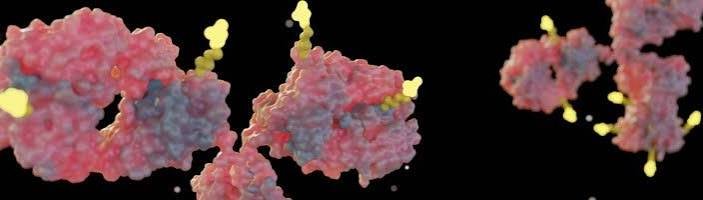
Cirtuvivint is a selective pan-CLK, pan-DYRK inhibitor that modulates alternative RNA splicing, including transcripts involved in oncogenic pathways. Preclinical studies have shown that CLK/DYRK inhibition alters splice patterns in malignant cells, suppresses oncogenic variants, and enhances apoptosis.
In addition to the trial in platinum-resistant ovarian cancer, cirtuvivint is being evaluated in several other clinical trials sponsored and funded by collaborating partners:









© 2026 Biopharma Boardroom. All Rights Reserved.