02 December 2025 | Tuesday | News

Regeneron Pharmaceuticals, Inc. (NASDAQ:REGN) and Tessera Therapeutics, Inc., announced a global collaboration to develop and commercialize TSRA-196, Tessera’s lead investigational in vivo Gene Writing program for the treatment of alpha-1 antitrypsin deficiency (AATD), an inherited monogenic disease that can affect the lungs, liver, or both organs, and currently impacts approximately 200,000 people in the U.S. and Europe. TSRA-196 is designed to precisely correct the genetic mutation underlying AATD, with the goal of restoring production of functional alpha-1 antitrypsin (AAT) protein through a one-time, durable treatment option for patients. Tessera expects to file an Investigational New Drug and multiple Clinical Trial Applications for TSRA-196 with the U.S. Food and Drug Administration (FDA) by the end of the year.
The collaboration brings together Regeneron’s industry-leading capabilities in genetics and proven track record in advancing novel genetic medicines with Tessera’s innovative Gene Writing and proprietary non-viral delivery platforms. Under the terms of the agreement, the companies will share worldwide development costs and potential future profits relating to TSRA-196 equally. Tessera will receive $150 million, inclusive of a cash upfront payment and equity investment from Regeneron. Tessera is also eligible to receive additional near and mid-term development milestone payments totaling $125 million. Tessera will lead the initial first-in-human trial, while Regeneron will lead subsequent global development and commercialization.
“At Regeneron, we are strong believers in the power of genetics and genetic medicines to transform patients’ lives, and we have a robust portfolio of potential treatments to do just this,” said George D. Yancopoulos, M.D., Ph.D., Board co-Chair, President and Chief Scientific Officer of Regeneron. “Alpha-1 antitrypsin deficiency is a serious disease with limited treatment options today and is particularly well suited for Tessera’s gene editing approach. Together with Tessera, we have an opportunity to pioneer new frontiers in genetic medicine and redefine what is possible for AATD patients.”
“This collaboration underscores what we believe is a medically and commercially important opportunity to deliver transformative outcomes with a one-time, intravenously delivered genetic treatment for patients living with alpha-1 antitrypsin deficiency,” said Michael Severino, M.D., Chief Executive Officer of Tessera Therapeutics. “Tessera is on the cusp of a critical inflection point as we prepare to enter the clinic in the near term. We are excited to partner with Regeneron, a global leader in innovative biotechnology and genetic medicine, to accelerate the development of TSRA-196 and broaden its potential impact to patients in need.”
The collaboration builds on Tessera’s recent progress in advancing TSRA-196, including preclinical data presented at the American Society of Gene & Cell Therapy 28th Annual Meeting, which highlighted durable, high-fidelity genome editing of SERPINA1, the locus responsible for AATD, in mice and non-human primates following a single dose of TSRA-196, with high liver editing specificity, no germline or off-target editing, and favorable safety and tolerability using Tessera’s proprietary lipid nanoparticle delivery vehicle. These findings reinforce TSRA-196’s potential to correct the underlying genetic cause of AATD and support its advancement into clinical development.
This agreement is subject to customary closing conditions, including applicable regulatory agency clearances under the Hart-Scott-Rodino Antitrust Improvements Act of 1976 in the United States.
Alpha-1 Antitrypsin Deficiency (AATD)
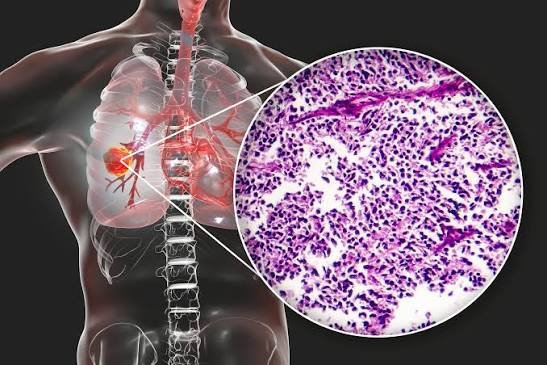
AATD is an inherited monogenic disease that can affect the lungs, liver, or both organs. It is most often caused by mutations in the SERPINA1 gene, which encodes alpha-1 antitrypsin (AAT), a protein produced in the liver and secreted into the bloodstream to protect lung tissue from enzymes such as neutrophil elastase. In individuals with severe AATD, mutations in the Z allele cause AAT protein to misfold and accumulate in the liver, leading to toxic effects such as inflammation and fibrosis. At the same time, insufficient circulating AAT leaves the lungs vulnerable to progressive damage consistent with chronic obstructive pulmonary disease (COPD) and emphysema. An estimated 200,000 people in the U.S. and Europe carry two copies of the Z allele (PiZZ genotype), typically resulting in only about 15 percent of normal serum AAT levels. There are currently no FDA-approved therapies that address the underlying genetic cause of AATD, and treatment options remain limited to weekly intravenous augmentation therapy for patients with lung disease.




© 2026 Biopharma Boardroom. All Rights Reserved.