Eisai Co., Ltd. (Headquarters: Tokyo, CEO: Haruo Naito, “Eisai”) and Biogen Inc. (Nasdaq: BIIB, Corporate headquarters: Cambridge, Massachusetts, CEO: Christopher A. Viehbacher, “Biogen”) announced that the Biologics License Application (BLA) for the subcutaneous formulation (subcutaneous autoinjector: SC-AI) of “LEQEMBI®” (brand name in China: “乐意保®”, generic name: lecanemab), an anti-amyloid beta (Aβ) protofibril antibody, has been accepted by the National Medical Products Administration (NMPA) in China.
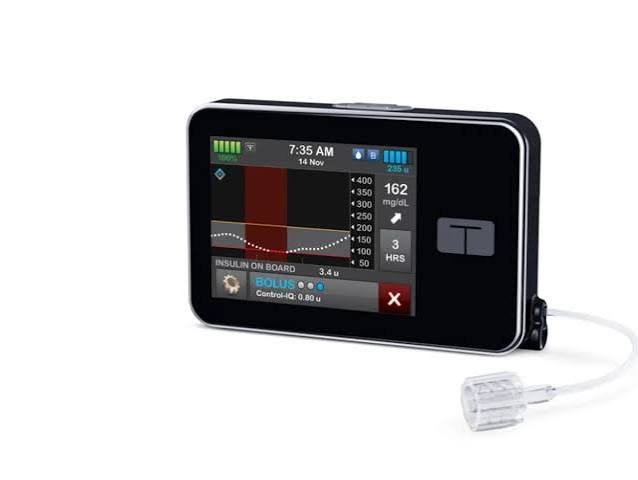
If approved, the SC-AI of 500 mg (two 250 mg injections) could be used to administer a once-weekly dose at home from the initiation of treatment, as an alternative to the current IV administration in the hospital setting. The potential approval of SC-AI would expand the option for patients and care partners to receive LEQEMBI treatment at home. The injection time for each autoinjector (250 mg injection) is approximately 15 seconds. The SC formulation also has the potential to reduce healthcare resources associated with IV dosing, such as preparation for infusion and nurse monitoring, while streamlining the overall AD treatment care pathway.
Eisai estimates that there were 17 million patients with MCI or mild dementia due to AD in China in 2024, which is expected to increase with the aging of the population.
Eisai serves as the lead of LEQEMBI development and regulatory submissions globally with Eisai and Biogen co-commercializing and co-promoting the product and Eisai having final decision-making authority. Eisai will distribute the product in China and will conduct information provision activities through specialized Medical Representatives.
*Protofibrils are believed to contribute to the brain injury that occurs with AD and are considered to be the most toxic form of Aβ, having a primary role in the cognitive decline associated with this progressive, debilitating condition.1 Protofibrils cause injury to neurons in the brain, which in turn, can negatively impact cognitive function via multiple mechanisms, not only increasing the development of insoluble Aβ plaques but also increasing direct damage to brain cell membranes and the connections that transmit signals between nerve cells or nerve cells and other cells. It is believed the reduction of protofibrils may prevent the progression of AD by reducing damage to neurons in the brain and cognitive dysfunction.2