14 May 2026 | Thursday | Expert Opinion
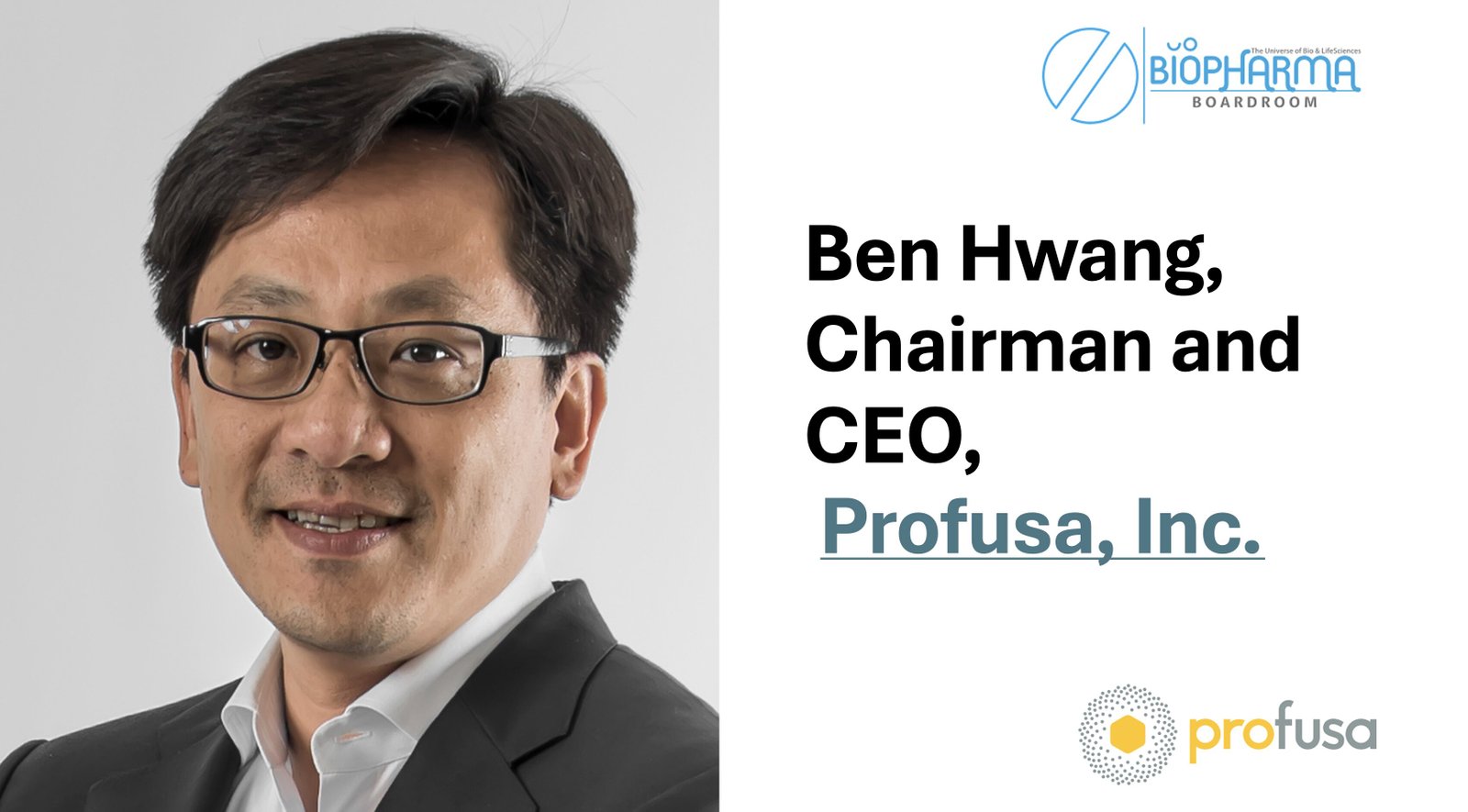
Profusa is pioneering injectable biosensors designed to continuously monitor key biomarkers in real time. What were the biggest scientific and commercial hurdles in bringing this technology from concept to commercial-stage reality?
Developing tissue-integrated biosensors required breakthroughs across materials science, engineering, and clinical medicine. One major scientific hurdle was overcoming the body’s "foreign body response." Historically, medical implants trigger the body to encapsulate them in scar tissue, which "blinds" the sensor and degrades accuracy. We overcame this by engineering soft, tissue-integrated hydrogel sensors. These act more like a scaffold than a foreign object, allowing capillary growth into the sensor for long-term, reliable signaling.
On the commercial side, the biggest hurdle was establishing a new category of "continuous biochemistry." We spent over a decade and $100M+ in investment to prove clinical relevance to skeptical regulators and payers. Success required shifting the narrative from "cool tech" to "economic value," demonstrating how the Lumee™ Oxygen Platform reduces long-term healthcare costs through better data.
Continuous biomarker monitoring has the potential to reshape how biopharma companies design and manage clinical trials. How do you see Profusa’s platform enabling more adaptive, data-driven drug development strategies?
Traditional clinical trials rely on intermittent measurements, capturing only snapshots of patient physiology. Profusa’s platform allows continuous monitoring, revealing how biology responds to therapy in real time.
This richer longitudinal data stream enables Adaptive Trial Design by allowing investigators to:
The Lumee tissue oxygen monitoring platform represents a significant step toward real-time physiological insight. Can you explain how this technology works and where you see the greatest immediate impact — clinical care, drug development, or remote monitoring?
The Lumee platform was designed to provide continuous measurement of tissue oxygenation directly within the body, a parameter that plays a fundamental role in many physiological processes. Oxygen availability is central to cellular metabolism, wound healing, and tissue viability, yet historically it has been difficult to monitor in a continuous and localized way.
Our system uses a small, injectable hydrogel-based sensor that integrates with tissue and responds to oxygen levels. An external optical reader detects changes in the sensor’s signal and converts them into real-time oxygen measurements that can be transmitted to digital platforms. Because the sensor integrates with tissue, it can provide ongoing measurements over extended periods rather than just a single reading.
In terms of impact, while the potential is broad, the most immediate impact is in clinical care for chronic conditions (such as peripheral artery disease or wound healing) and remote patient monitoring. By providing localized oxygen data that was previously inaccessible, we give clinicians the ability to intervene before tissue death or complications occur, rather than reacting after the fact.
Injectable biosensors raise important questions around regulatory pathways, physician adoption, and patient trust. How is Profusa navigating these considerations while scaling commercialization?
Profusa is approaching commercialization with a focus on safety, reliability, and clinical validation. The Lumee™ Oxygen Platform’s tissue-integrating hydrogel sensors undergo rigorous testing to meet regulatory standards, ensuring clinicians and patients can trust both the technology and the data it provides. Profusa also prioritizes physician education and collaboration, working closely with healthcare professionals to demonstrate clinical utility and integration into care workflows. On the patient side, the minimally invasive nature of the sensors, combined with real-time digital monitoring, is designed to foster confidence and ease of use, creating a foundation for widespread adoption as the company scales.
As personalized medicine continues to evolve globally, how do you envision continuous biochemical monitoring transforming disease management — particularly in chronic and metabolic conditions?
Continuous biochemical monitoring is the "missing link" in personalized medicine. By providing actionable, real-time insights into a patient’s internal physiology, we move beyond generalized treatment protocols. For chronic and metabolic conditions - such as diabetes, cardiovascular disease, or respiratory illnesses - these insights enable:
Ultimately, Profusa’s platform enables a fundamental shift in the healthcare paradigm: moving from reactive, episodic care to a proactive, data-driven management model that improves patient outcomes while reducing the systemic cost of chronic disease.
Looking ahead five to ten years, what does success look like for Profusa, and how do you see biointegrated sensor platforms reshaping the broader digital health and biopharma ecosystem?
In the next five to ten years, Profusa envisions its platform becoming a standard tool in precision medicine, widely adopted across chronic disease management, clinical research, and biopharma development. Success will look like a robust ecosystem of biointegrated sensors that seamlessly feed actionable data into digital health platforms, clinical trials, and population health management programs. By enabling continuous, reliable biochemical monitoring, Profusa is poised to reshape how treatments are evaluated, tailored, and optimized — ultimately accelerating innovation and improving patient outcomes across the healthcare landscape.






© 2026 Biopharma Boardroom. All Rights Reserved.