03 August 2026 | Monday | Expert Opinion
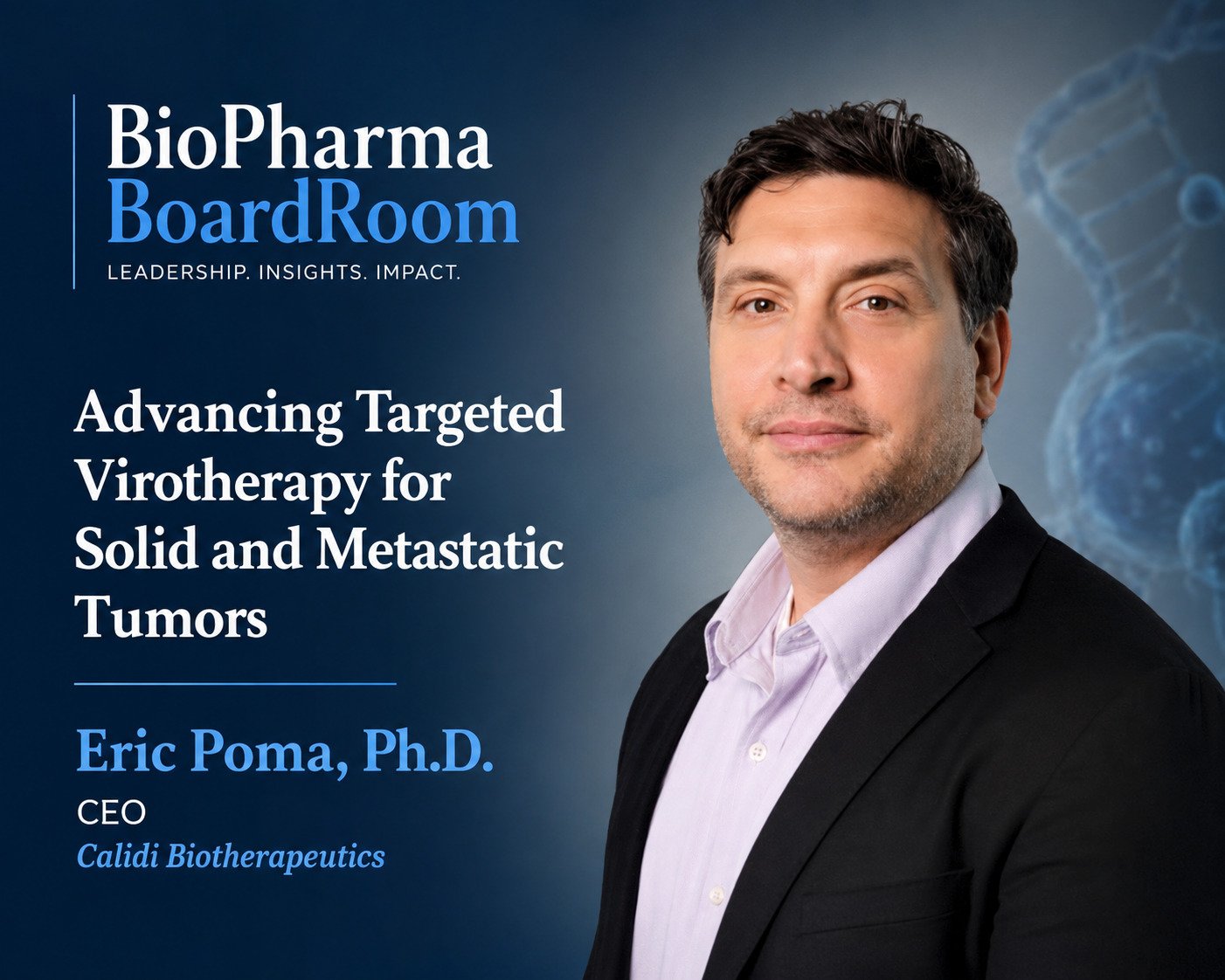
Targeted genetic medicines are reshaping the future of cancer treatment by improving the precision of therapeutic delivery while addressing the challenges of metastatic disease. In this interview with BioPharma Boardroom, Eric Poma, Ph.D., CEO of Calidi Biotherapeutics, explains how the company's RedTail platform is designed to deliver genetic payloads directly to tumors through systemic administration. He discusses the progress of lead candidate CLD-401, the role of AI in streamlining regulatory workflows, key hurdles facing the field, and Calidi's strategy to expand targeted virotherapy as part of the next generation of oncology treatments.
Calidi Biotherapeutics is developing targeted genetic medicines using its RedTail platform. What unmet challenges in treating solid and metastatic tumors is this approach designed to address, and how does it differ from conventional cancer therapies?
One of the biggest challenges in oncology is delivering therapies to tumors while limiting systemic exposure, particularly in patients with metastatic disease. Many therapies are cleared by the immune system before they reach their intended target, while others rely on broad immune activation that can limit dosing flexibility.
Calidi Biotherapeutics RedTail platform is designed to address those delivery challenges. It is engineered for systemic administration so it can travel through the bloodstream, reach both primary and metastatic tumors, and deliver therapeutic genetic payloads directly within the tumor microenvironment. By concentrating therapeutic activity at the tumor site while limiting systemic exposure, the RedTail platform can improve delivery to tumors that have historically been difficult to reach through conventional approaches.
The RedTail platform is designed for systemic delivery of virotherapy to reach both primary and metastatic tumor sites. Could you explain the scientific principles behind the platform and the progress being made with your lead candidate, CLD-401?
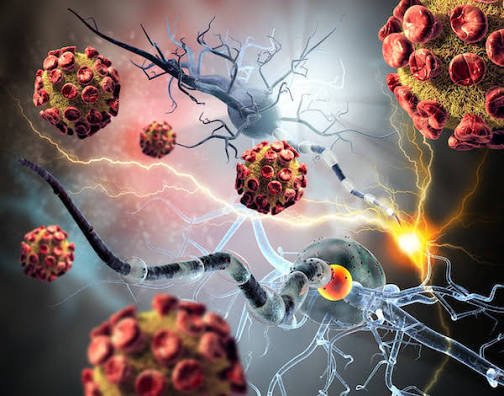
The RedTail platform uses an engineered enveloped oncolytic virus designed to evade immune clearance so it can remain in circulation long enough to reach tumors throughout the body. Once it reaches the tumor, it destroys cancer cells and delivers therapeutic genetic payloads directly within the tumor microenvironment.
Calidi’s lead program, CLD-401, expresses an IL-15 superagonist within the tumor microenvironment to support a localized immune response. The goal is to activate immune cells where they're needed while maintaining low circulating levels throughout the body. Preclinical data has shown encouraging immune activation within tumors while maintaining low circulating IL-15 levels. We recently received positive pre-IND feedback from the FDA, including alignment on key aspects of our development strategy and proposed Phase 1 study. We remain on track to submit our IND by the end of 2026 and initiate our first-in-human study in early 2027.
Calidi recently partnered with TransferAI to support IND submission workflows. How do you see AI improving regulatory preparation and development efficiency, and what impact do you expect this collaboration to have on future clinical programs?
Preparing an IND involves coordinating large amounts of scientific, regulatory, and operational information across many teams. AI can help improve efficiency by supporting document preparation and allowing experienced regulatory teams to maintain oversight. Our partnership with TransferAI is streamlining the IND submission process for CLD-401 through AI-enabled workflow orchestration. The platform coordinates research, cross-referencing, drafting, and review activities across the submission process while preserving the rigor required for IND submissions. TransferAI is helping accelerate our development timelines and allowing the Calidi team to remain focused on the science behind the program.
Targeted genetic medicines are becoming an increasingly important area of oncology research. What key scientific, manufacturing, or regulatory challenges still need to be overcome before these therapies can become more widely available to patients?
The field has made tremendous progress, but delivery remains one of the biggest scientific challenges. Therapies need to reach tumors consistently while limiting systemic exposure, especially in metastatic disease. As more targeted genetic medicines enter clinical development, demonstrating consistent manufacturing and generating robust clinical data will be important to broader adoption. Companies will need scalable manufacturing processes and efficient regulatory strategies to help bring these therapies to patients.
As the oncology landscape continues to evolve, how do you see targeted virotherapy integrating with existing treatment approaches such as immunotherapies, cell therapies, and precision medicine over the next five to ten years?
Targeted virotherapy has the potential to become an important part of the broader oncology treatment landscape. As more therapies are developed to target specific biological pathways, effective delivery will become even more important.
Our focus is on improving how therapeutic payloads reach tumors. The flexibility of the RedTail platform also allows us to explore multiple genetic payloads, including cytokines and in situ T-cell engagers, which expands the platform's potential across solid tumors. We believe targeted virotherapy could complement immunotherapies, cell therapies, and precision medicines by helping concentrate therapeutic activity within the tumor microenvironment while reaching metastatic disease through systemic administration.
Looking ahead, what are Calidi Biotherapeutics' strategic priorities over the next 12 to 24 months, and what milestones should the industry watch for as the company advances its pipeline and platform technologies?
Our primary focus is advancing CLD-401 into the clinic. Following positive pre-IND feedback from the FDA, we are continuing our IND-enabling studies and remain on track to submit our IND by the end of 2026. We are targeting initiation of our first-in-human Phase 1 study in early 2027.
We'll also continue generating data that demonstrates the versatility of the RedTail platform, including new applications such as in situ T-cell engagers. That data will help support the continued evolution of the platform as we advance additional programs toward the clinic. Beyond CLD-401, we’re prioritizing the expansion of the platform across additional programs and pursuing strategic partnerships that can accelerate clinical development and broaden the impact of the RedTail platform.


© 2026 Biopharma Boardroom. All Rights Reserved.