10 August 2026 | Monday | Interaction
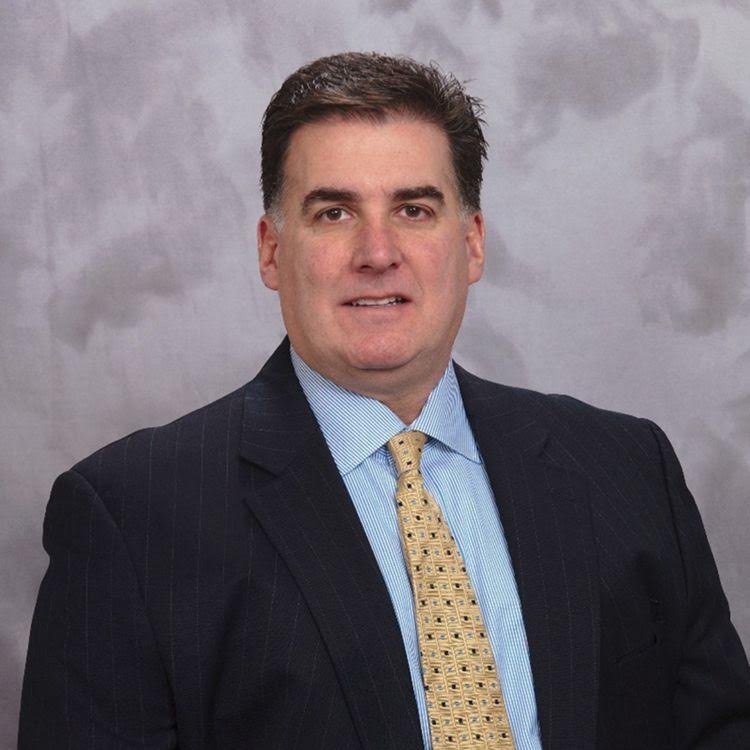
Bone Biologics is developing a targeted approach to bone regeneration through its proprietary NELL-1 platform, designed to address the limitations of conventional bone graft materials. In this interview with BioPharma Boardroom, Jeffrey Frelick, Chief Executive Officer of Bone Biologics, discusses the unmet clinical needs in spinal fusion, the unique advantages of the NELL-1 technology, key development milestones, and the company's long-term vision for advancing regenerative medicine.
Jeffrey Frelick:
Our primary mission at Bone Biologics is advancing our NELL-1 platform to bring a safer, more predictable bone graft substitute to the spinal fusion market. Traditional bone grafts act as passive scaffolds, meaning healing outcomes can vary significantly from patient to patient.
The clinical challenge we are addressing is the unpredictability of treatment outcomes in compromised patients, often referred to as "hard healers," including smokers, diabetics, and obese individuals. These patients struggle to form bone naturally and face a higher risk of failed bone fusion. Conventional graft materials often lack the biological signal needed to consistently heal these difficult cases.
We engineered NELL-1 to provide surgeons with an active, site-specific growth factor that promotes reliable bone formation, delivering a level of biological control and safety that current bone graft options cannot match.
Jeffrey Frelick:
The key difference lies in providing an active, targeted signal for bone growth combined with a cleaner safety profile.
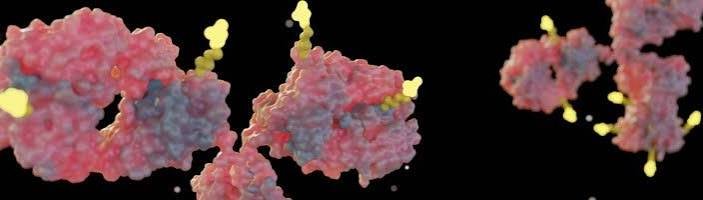
Traditional bone grafts are inert scaffolds made from ceramics or allograft materials that rely on osteoconduction, meaning bone cells gradually grow into the material over time. Recombinant human NELL-1 (rhNELL-1), by contrast, actively promotes bone formation.
In our preclinical large-animal models, rhNELL-1 improved spinal fusion success by 37.5 percentage points compared with the control carrier. What makes NELL-1 unique is its ability to upregulate Runx2, the master transcriptional regulator responsible for bone formation. Because Runx2 is active only within bone cells, NELL-1 promotes bone growth only where bone already exists, helping prevent unwanted bone formation in surrounding tissues.
Additionally, NELL-1 does not trigger local inflammation. It operates through a non-inflammatory pathway and has even been shown to reduce BMP-2-induced inflammation in animal studies.
Jeffrey Frelick:
Over the next 12 to 18 months, our focus is on advancing our clinical programme and progressing our FDA regulatory strategy.
Our primary clinical initiative is a 30-subject pilot study in Australia evaluating NB-1, our lead product candidate, in patients undergoing lumbar spine fusion. Key milestones include completing patient enrolment, providing interim clinical updates, and reporting one-year study data.
The results from the Australian study will support our Investigational Device Exemption (IDE) submission to the FDA and help us initiate a pivotal clinical study in the United States.
To support the pivotal programme, we are also implementing a newly developed drug product formulation that offers improved stability across frozen, refrigerated, and ambient storage conditions.
Jeffrey Frelick:
Targeted bone regeneration has the potential to transform care by giving surgeons access to powerful, controlled biology without requiring changes to established surgical workflows.
We designed the NB-1 convenience kit to integrate seamlessly into existing operating room procedures. Surgeons simply mix the rhNELL-1 vial with demineralised bone matrix putty during the standard hydration step and place it into the surgical cage, much as they have done with traditional DBM products for decades.
Because NELL-1 promotes bone growth in a controlled, site-specific manner without causing severe swelling or unwanted bone formation elsewhere, it can provide greater confidence when treating high-risk patients. Ultimately, this could lead to improved fusion success rates and fewer revision surgeries.
Jeffrey Frelick:
To accelerate development, we focus on partnerships that support clinical enrolment, regulatory progress, and commercial readiness.
On the clinical side, collaborations with leading spine surgeons and high-volume treatment centres are critical for efficiently enrolling patients in lumbar fusion studies.
From a regulatory perspective, our long-standing collaborative relationship with the FDA has helped provide clarity around our Premarket Approval (PMA) pathway as a combination device and drug product. This has enabled us to align our Australian pilot study with future U.S. pivotal study requirements.
Looking ahead to commercialisation, strategic partnerships with established med-tech and orthopaedic device companies will be essential for integrating NELL-1 into proven global distribution networks.
Jeffrey Frelick:
Approximately 1.5 million spinal surgeries are performed annually in the United States, making spinal fusion our primary focus today. However, our long-term vision extends far beyond the spine.
Spinal fusion represents one of the most challenging environments for bone healing. Successfully demonstrating NELL-1's effectiveness in this setting could open opportunities across multiple orthopaedic applications.
We hold rights to apply the technology in trauma care, an estimated $8 billion market where NELL-1 could support the healing of severe fractures and complex bone injuries. We also hold rights in osteoporosis, an approximately $11 billion market, where preclinical mouse studies have shown that systemic delivery of NELL-1 can stimulate significant new bone formation.
Ultimately, we envision Bone Biologics becoming a leader in regenerative medicine by delivering a safer, more targeted bone regeneration solution for patients across a broad range of orthopaedic indications.



© 2026 Biopharma Boardroom. All Rights Reserved.