15 May 2026 | Friday | Interaction
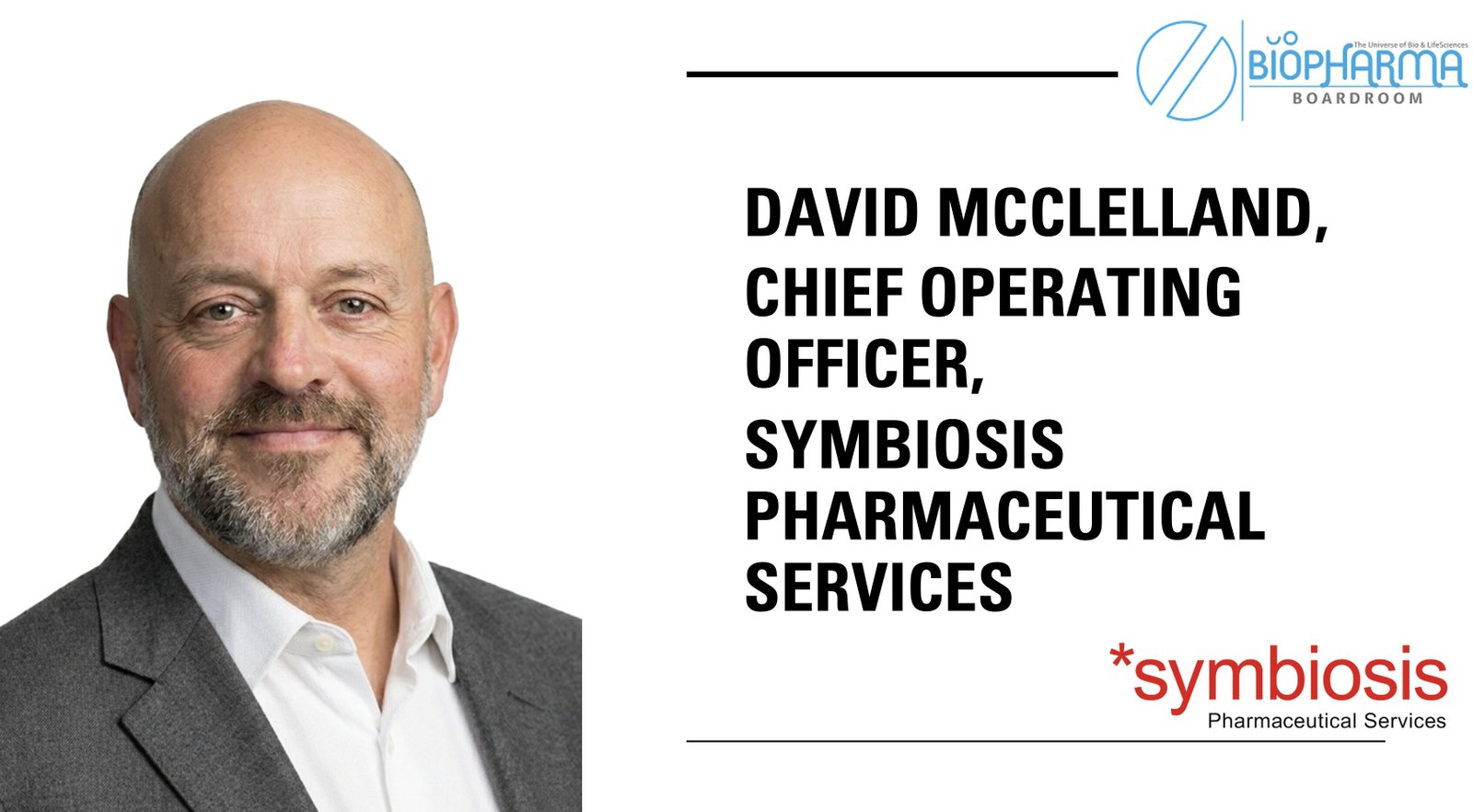
As biologics, advanced therapies, and specialised injectable medicines continue to reshape the pharmaceutical landscape, the demand for agile and highly compliant sterile manufacturing partners has never been greater. In this Biopharma Boardroom Q&A, David McClelland, Chief Operating Officer of Symbiosis Pharmaceutical Services, shares how the company is expanding its aseptic fill-finish capabilities, investing in automation and operational agility, and positioning itself to support complex therapies from clinical development through commercial supply. He also explores the evolving expectations of biopharma clients, the importance of collaborative project leadership, and the future opportunities shaping sterile manufacturing worldwide.
How is Symbiosis Pharmaceutical Services positioning itself to capitalize on the growing global demand for sterile manufacturing services?
Symbiosis specialises in GMP aseptic fill-finish manufacturing for injectable therapeutics, supporting clients from early clinical development through to commercial supply. Our capabilities span a broad range of sterile drug products, including small and large molecules, advanced therapies, cytotoxic compounds and products requiring BSL-2 / GMO handling.
As global demand for sterile manufacturing continues to increase, particularly for biologics and more specialised injectable therapies, we have focused on expanding our capacity and technical capabilities in a way that aligns with the needs of our client base. A significant milestone in that strategy has been the expansion of our manufacturing footprint through our FDA inspected and MHRA-licensed Bruce Building facility in Stirling, UK, which significantly increased our batch manufacture capacity up to 15,000 vials.
At the same time, we have remained focused on maintaining the qualities and characteristics that differentiate Symbiosis within the market. We are a specialist CDMO with more than 15 years’ experience in sterile drug product delivery and our size allows us to work very closely with clients, particularly those requiring flexibility, rapid access to manufacturing slots and responsive technical collaboration.
As therapies become increasingly specialised and development timelines continue to accelerate, clients are looking for manufacturing partners that combine regulatory experience, operational agility and proven manufacturing expertise. That is very much where Symbiosis is positioned today.
What are the key strategic priorities driving your current expansion initiatives, and how do they align with broader industry trends?
Our expansion strategy has been driven by both evolving client requirements and broader changes across the biopharmaceutical landscape. We continue to see strong demand for sterile fill-finish capability supporting biologics, advanced therapies and increasingly complex injectable medicines, particularly programmes requiring flexible clinical and commercial manufacturing support.
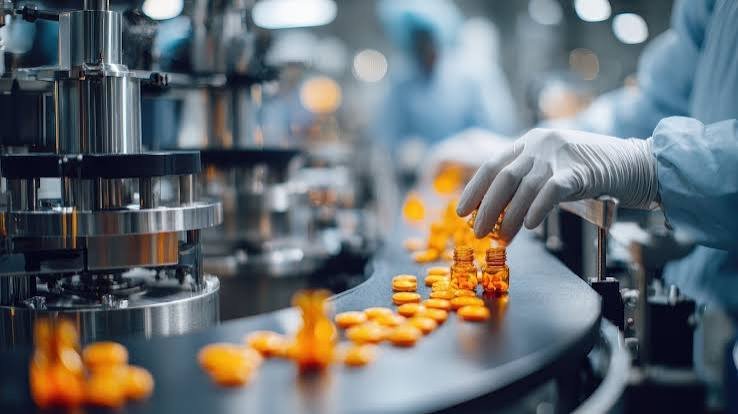
One of our key priorities has been the expansion of manufacturing capacity while maintaining our robust quality system, along with the technical expertise and regulatory oversight that are essential within the aseptic manufacturing space. The introduction of our new automated manufacturing facility has significantly increased our batch capacity and operational flexibility, enabling us to support commercial scale manufacture up to 15,000 vials while also improving manufacturing efficiency and throughput.
Another important focus has been strengthening capabilities that reflect changing product trends across the sector. We are seeing growing demand for lyophilisation, specialist aseptic handling and manufacturing support for increasingly targeted therapies. Our investment strategy has therefore been centred not simply on increasing scale, but on building capabilities that support the evolving technical requirements of modern drug products.
We have also been investing significant time and resource into targeted process improvements to ensure we maximise both speed and efficiency as we grow, without ever dropping our quality levels or losing the customer-centric mindset. Many of these improvement actions relate to existing processes, but others look to the future and the advent of more digitalisation and automation.
From your perspective, what are the biggest challenges in scaling sterile manufacturing capacity while maintaining quality and compliance?
One of the biggest challenges is ensuring that operational growth remains aligned with the complexity of the products being manufactured. Sterile manufacturing environments are highly regulated by nature, and as therapies become more specialised, the technical and operational demands also increase.
Many modern injectable products require more sophisticated aseptic handling approaches, whether that involves biologics, cytotoxic compounds, advanced therapies or lyophilised products. Scaling capacity successfully therefore requires not only investment in facilities and equipment, but also experienced technical teams, robust quality systems and strong regulatory oversight.
There is also increasing pressure across the industry to accelerate development timelines. Clients are often working towards critical clinical milestones or commercial launch targets, which places greater emphasis on manufacturing responsiveness and supply chain coordination. Maintaining flexibility while ensuring compliance and product quality remains absolutely essential.
From my perspective, transparency and partnership are also very important. Successful manufacturing programmes depend on realistic planning, open communication and a clear understanding of potential operational challenges across both the CDMO and client teams. When those relationships are collaborative from the outset, it becomes much easier to maintain programme momentum while continuing to uphold the quality standards required within sterile manufacturing.
How does effective project leadership contribute to the successful delivery of complex manufacturing programmes in today’s fast-evolving biopharma landscape?
Effective project leadership plays a critical role because manufacturing programmes today are increasingly cross-functional, technically complex and time-sensitive. Successful delivery requires close alignment between technical operations, quality, supply chain and client teams throughout the lifecycle of a programme.
My own background has been firmly rooted in service environments, both contract testing and contract manufacturing. Throughout this time, I have been a keen supporter of a strong Programme Management function. These people are not only the external face of the organisation for clients, they also play a critical ‘quarterback’ role, liaising and coordinating with all other business functions.
In sterile manufacturing particularly, there are many interconnected activities that need to remain coordinated to maintain timelines and product quality. Good project leadership helps ensure there is clarity around priorities, dependencies and potential challenges while also maintaining flexibility as programmes evolve.
Partnership is also fundamental. At Symbiosis, we work closely with clients throughout development and manufacturing, often supporting products as they progress from early clinical stages towards commercial supply. Open communication, transparency and responsiveness are extremely important in building those long-term relationships and supporting successful programme outcomes.
In what ways are client expectations changing, and how is Symbiosis adapting its operational capabilities to meet these demands?
Clients are increasingly looking for manufacturing partners that can provide both technical expertise and operational agility. Development timelines are often compressed, particularly for innovative biologics and advanced therapies, so there is strong demand for responsive partners that can adapt quickly while maintaining high quality standards.
There is also greater expectation around transparency and communication. Clients want clear visibility of programme status, supply chain considerations and manufacturing readiness, particularly as products move closer to commercialisation.
At Symbiosis, we have adapted by continuing to invest in flexible manufacturing capability, in-house testing capabilities, experienced technical teams and collaborative project management approaches. Our expanded facility allows us to support larger batch sizes and additional programmes while still maintaining the close working relationships that many clients value. Our control of in-house testing allows us to maximise our agility and flexibility when performing critical testing, both pre- and post- manufacture.
As a specialist organisation, we are often able to work very closely with clients to understand the specific needs of their programme and support challenging timelines where possible. That combination of technical capability, flexibility and partnership remains a key part of our approach.
Looking ahead, what opportunities do you see shaping the future of pharma services, particularly in sterile and aseptic manufacturing?
The continued growth of biologics, personalised medicines and advanced therapies is creating significant opportunities across aseptic manufacturing. Many of these products are highly specialised and require sophisticated fill-finish capabilities, strong regulatory oversight and close technical collaboration.
We are also seeing increasing demands for manufacturing partners that can support products throughout their full development journey, from clinical supply through to commercial manufacture. CDMOs that can combine flexibility, quality and scalability will continue to play an important role in helping innovative therapies reach patients.
From a technology perspective, greater automation and digital integration will also continue to shape the sector, helping improve efficiency, process consistency and manufacturing agility.
What remains particularly exciting is the nature of the therapies now entering development. Over the course of my career, the industry has evolved enormously from traditional small molecules to highly targeted biologics and potentially curative therapies. Being involved in manufacturing medicines that can have such a significant impact on patients’ lives is incredibly rewarding, and I think that will continue to drive innovation and investment across the sector in the years ahead.




© 2026 Biopharma Boardroom. All Rights Reserved.