01 September 2026 | Tuesday | Interaction
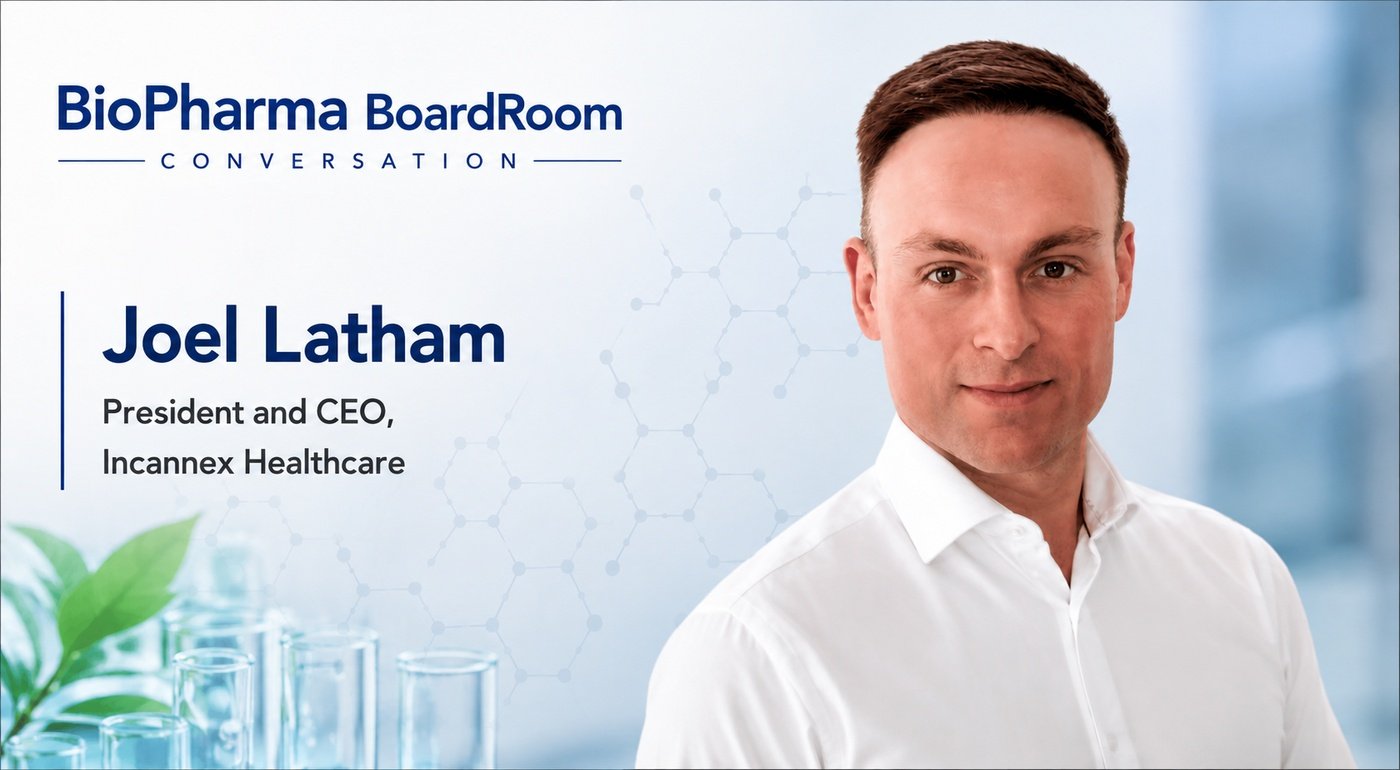
The development of cannabinoid and psychedelic medicines is entering a more evidence-driven phase, with clinical validation, safety, regulatory alignment and patient outcomes becoming increasingly important to their potential adoption. For Incannex Healthcare, this transition is reflected in its development of pharmaceutical-grade therapies targeting conditions with significant unmet needs, including obstructive sleep apnea, anxiety disorders and inflammatory diseases.
In this BioPharma Boardroom interview, Joel Latham, President and CEO of Incannex Healthcare, discusses how the company is advancing combination therapies such as IHL-42X and IHL-675A, the scientific and clinical challenges associated with cannabinoid- and psychedelic-based medicines, and the importance of building regulatory strategy into development from the outset. He also outlines the role of patient experience, reproducible clinical evidence and scalable treatment models in determining whether emerging therapeutic approaches can progress from promising science to potential approved medicines.
How do you see the field of cannabinoid pharmaceuticals evolving as more companies move from early-stage research toward clinically validated, regulator-ready therapies?
The field is moving into a mature stage where clinical evidence and regulatory rigor will separate credible pharmaceutical programs from early-stage research. Cannabinoid-based therapies have shown potential across a range of conditions. The next step is translating that potential into approved medicines through clinical development and clear evidence of safety and efficacy.
At Incannex, our focus has been on developing standardized, pharmaceutical-grade therapies through clinical programs designed with regulatory requirements in mind. IHL-42X is a good example of that progression. I'd actually point to the safety and tolerability data first, even ahead of the efficacy numbers. In our Phase 2 RePOSA trial, no serious adverse events were reported, treatment-related effects were infrequent and mostly mild to moderate across both dose levels, and REM sleep was preserved throughout treatment, setting it apart from a lot of existing sleep therapies. Following positive Phase 2 RePOSA results, including statistically significant reductions in AHI and individual reductions of up to 83%, the program received FDA Fast Track designation and has now begun dosing patients in the DReAMzz Phase 2 dose-optimization study. As more cannabinoid programs generate this level of clinical and regulatory evidence, I believe the field will be evaluated based on the strength of the medicine rather than the therapeutic class it comes from.
Incannex is developing novel combination therapies across areas including anxiety disorders, obstructive sleep apnea and inflammatory conditions. What advantages do combination approaches offer compared with conventional single-target treatments?
Since many chronic conditions are driven by multiple biological pathways, targeting a single mechanism may not always be enough. Well-designed combination therapies can address complementary drivers of disease simultaneously and potentially produce a greater therapeutic effect than either component alone.
That is the rationale behind programs such as IHL-42X, our oral fixed-dose combination of dronabinol and acetazolamide for obstructive sleep apnea, and IHL-675A, which combines synthetic cannabidiol with hydroxychloroquine for rheumatoid arthritis. Each component targets a specific biological pathway, with the combination designed to provide a greater therapeutic benefit. Fixed-dose oral therapies can also simplify administration for patients while addressing multiple mechanisms through a single treatment. Combining two established compounds in IHL-42X hasn't come at the cost of tolerability either. No serious adverse events in our Phase 2 trial, and more than half of patients told us the treatment made a real difference to their daily lives.
What are the biggest scientific and clinical challenges involved in developing cannabinoid- and psychedelic-based therapies, and how is Incannex working to address them?
A key priority is generating consistent, reproducible evidence. Translating cannabinoid- and psychedelic-based therapies into approved medicines requires standardized formulations and well-designed clinical trials, supported by appropriate patient selection and clear safety protocols.
Psychedelic therapies introduce additional considerations because the outcomes can be influenced by the treatment setting and psychological support provided alongside the drug. This makes consistency across clinical sites particularly important, along with appropriate safety monitoring.
At Incannex, these considerations are built into the development process from the beginning. We focus on pharmaceutical-grade compounds and robust clinical evaluation, with regulatory engagement throughout development. This helps us generate the evidence needed to support potential approval and use in clinical practice. Our PSX-001 program, an oral synthetic psilocybin therapy for generalised anxiety disorder, is a good example of that in action. It delivered statistically significant improvements over placebo along with excellent tolerability and no serious adverse events.
As the regulatory landscape around cannabinoid and psychedelic medicines continues to evolve, what does it take to build a credible development programme that can meet the expectations of regulators and ultimately translate into approved therapies?
A credible development program starts with regulatory planning early. Formulation, dose selection, clinical endpoints, manufacturing, and safety monitoring all need to be considered with the eventual regulatory pathway in mind.
It also requires strong evidence. Regulators need clear, reproducible data demonstrating safety, efficacy, quality, and consistency regardless of whether a therapy involves a cannabinoid, psychedelic or more conventional compound. The Incannex team has focused on building that foundation through controlled clinical studies and ongoing regulatory engagement. With IHL-42X, for example, positive Phase 2 data and FDA Fast Track designation have been followed by the DReAMzz study, which is designed to optimize dose selection and strengthen the clinical and regulatory foundation for our planned Phase 3 program. That Phase 2 data also included no serious adverse events and excellent tolerability across both dose levels, and that's exactly the kind of foundation regulators want to see. That type of step-by-step development is critical to moving an emerging therapeutic approach toward a potential approved medicine.
From your experience leading healthcare and biotech programmes through clinical development, what are the most important factors in turning promising emerging science into scalable treatments that address genuine unmet patient needs?
Strong science is the starting point, but it must translate into something patients can realistically use and clinicians can confidently prescribe. That means identifying a genuine unmet need, building the right clinical and regulatory strategy around it, and generating evidence that demonstrates clinical efficacy and meaningful benefits for patients.
Patient experience is especially important in chronic conditions. A treatment can perform well in a controlled study, but its impact will be limited if patients cannot tolerate it or maintain it over time. IHL-42X is a good illustration of why that matters to us. Alongside the efficacy results, no serious adverse events were reported in our Phase 2 trial, and in exit interviews more than half of patients described a meaningful improvement in their condition. That is one reason we look at patient-reported outcomes alongside objective clinical measures where appropriate. Scalability also needs to be considered early, including how a therapy will be manufactured, delivered, and integrated into existing care. The programs with the greatest potential are those that combine strong clinical evidence with a practical path to real-world use.
Looking ahead, where do you see the greatest opportunities for innovation in cannabinoid pharmaceuticals, psychedelic therapies and combination drug development, and what milestones will determine whether these fields reach their full potential?
The greatest opportunities are in areas where there is significant unmet need and existing treatments are inadequate, poorly tolerated, or difficult for patients to maintain. For cannabinoid pharmaceuticals and combination therapies, there is significant potential to target complex conditions through complementary biological mechanisms while developing treatment formats that are practical for long-term use. In psychedelics, the opportunity is to build standardized, evidence-based treatment models that can deliver consistent outcomes and scale beyond highly specialized settings. Our own PSX-001 program in generalised anxiety disorder is an early example of what that can look like in practice.
The milestones that matter will be clinical and regulatory. These fields need reproducible late-stage data, clearly defined safety profiles, regulatory alignment, and treatment models that can work in real-world care. For Incannex, our immediate focus is continuing to execute across our clinical programs. With IHL-42X, that means progressing DReAMzz and generating the dose-optimization data needed to support planned Phase 3 development. We're fortunate to already have a strong safety and tolerability foundation from Phase 2 to build on. More broadly, success will be determined by whether emerging therapies can move beyond promising science and demonstrate that they are safe, effective, scalable, and capable of meaningfully improving patients' lives.




© 2026 Biopharma Boardroom. All Rights Reserved.