06 August 2026 | Thursday | Interview

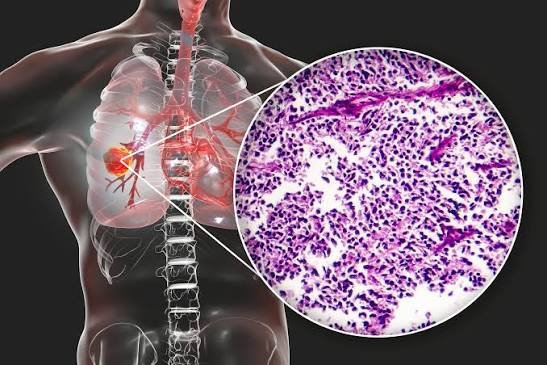
Immunologically "cold" tumors remain one of the greatest challenges in oncology, limiting the effectiveness of checkpoint inhibitors in cancers such as platinum-resistant ovarian cancer. Ernexa Therapeutics is developing ERNA-101, an investigational engineered stem cell therapy designed to remodel the tumor microenvironment through localized cytokine delivery and improve anti-tumor immune responses. In this exclusive interview with BioPharma BoardRoom, Sanjeev Luther, President and Chief Executive Officer of Ernexa Therapeutics, discusses the significance of independently reproduced preclinical findings, the science behind the company's platform, upcoming clinical milestones, and Ernexa's long-term vision for advancing cell therapies across oncology and autoimmune diseases.Question 1: The independent validation study demonstrated complete tumor clearance and durable survival when ERNA-101 was combined with PD-1 checkpoint inhibition. What makes these findings particularly significant for the future of immuno-oncology and ovarian cancer treatment?
Ernexa’s Response:
These findings are significant on two levels. First, the underlying biology: ovarian tumors are typically described as immunologically "cold" as they don't naturally attract much immune activity, which is a major reason checkpoint inhibitors like PD-1 blockade have shown limited benefit in this disease on their own. ERNA-101 is designed to change that. It's an engineered stem cell that acts as a local delivery vehicle, secreting a dual cytokine signal directly at the tumor site to draw in and activate T cells and macrophages. That local conversion from a cold to an inflamed tumor environment is what appears to unlock the activity of PD-1 blockade in our studies, the combination produced complete tumor clearance and durable survival, substantially outperforming either approach given alone.
Second, and just as important: these results have now been independently reproduced in full, using the same tumor model and the same treatment protocol as the original study, by a CRO Independent reproduction is a meaningful bar in oncology as a lot of promising preclinical findings don't hold up when repeated under separate hands, and this one did. That gives us real confidence in the robustness of the combination effect as we move forward.
This remains preclinical, mouse-model data rather than a clinical trial result, but combined with the rest of our preclinical package, it supported an FDA pre-IND meeting, and the program is now positioned to enter a first-in-human Phase 1 trial in platinum-resistant ovarian cancer.
Question 2. ERNA-101 is designed to remodel the tumor microenvironment by delivering IL-7/IL-15 fusion cytokines directly to tumors. Could you explain how this mechanism differs from existing cell therapy approaches and why it may improve responses in immunologically "cold" tumors?
Ernexa’s Response:
Most cell therapies in oncology today, like CAR-T or TIL therapy, work by directly arming and delivering tumor-killing immune cells into the patient, systemic delivery modes often result in serious side effects like CRS. ERNA-101 takes a different approach: rather than being the effector cell itself, it acts as a living delivery system. It's an allogeneic, stem cell-derived product engineered to continuously secrete a single-chain IL7_IL15 fusikine: a fusion of two cytokines that together support the survival, expansion, and activation of a patient's own T cells, macrophages and NK cells, directly within the tumor microenvironment.
That local, sustained delivery is the key difference. Systemic administration of IL-7 or IL-15 as standalone drugs has generally been limited by toxicity, because you're activating immune cells throughout the entire body rather than where the tumor actually is. By using an engineered cell as the delivery vehicle, ERNA-101 concentrates that cytokine signal at the tumor site itself, which is particularly important in a disease like ovarian cancer, where tumors are typically immunologically "cold" meaning they have very little natural immune cell infiltration for checkpoint inhibitors or other immunotherapies to work with in the first place.
In our preclinical studies, this local delivery converted that cold tumor environment into one enriched with active T cells and antitumor-polarized macrophages, which is what allowed subsequent PD-1 blockade to work as effectively as it did. These cells have a naturally built in safety feature relevant to any cell therapy: in tumor-free settings the cells simply don't persist and are undetectable even with ultra-sensitive detection tools like ddPCR, consistent with a therapy that depends on the tumor microenvironment itself to remain active. That combination of localized, sustained cytokine delivery and a self-limiting safety profile is what sets this approach apart.
Question 3: Independent reproducibility is an important milestone in preclinical development. How does this third-party validation strengthen confidence in ERNA-101 as the company prepares for IND submission and clinical development?
Ernexa’s Response:
Reproducibility is one of the most practical tests a preclinical program can pass. It's not uncommon for promising results generated in one lab to soften or disappear when a separate group repeats the same experiment; primarily due to differences in technique, reagents, or simply chance can all play a role. So when a separate research group repeated our combination study, using the same tumor model and the same treatment protocol but with 3 times more number of animals in each group, and got the same result “complete tumor clearance and durable survival with ERNA101 plus PD-1 blockade” that's a meaningful signal that the effect is real and not an artifact of how the original experiment was run.
That matters directly for where we are in development. As we move through IND submission and prepare for a first-in-human Phase 1 trial, the strength of the preclinical efficacy package is central to the risk-benefit case we're making, both internally and to regulators. Having an independently reproduced result behind the lead combination strategy gives us more confidence that what we saw in the lab is likely to translate as we move toward patients, and it reduces one of the more common sources of failure in translating preclinical oncology findings into the clinic.
It's also worth noting this sits alongside a broader body of work dose-ranging studies, safety and persistence data, and mechanistic characterization of how ERNA-101 remodels the tumor immune environment that together formed the basis for our FDA pre-IND meeting. The reproduced combination data is one piece of that larger picture, but it's a particularly reassuring one, because it speaks directly to whether the core therapeutic effect will hold up outside of a single lab's hands.
Question 4: Ernexa plans to submit its IND in Q3 2026 and begin a Phase 1 clinical trial in Q4 2026. What are the key objectives of first-in-human study, and what milestones will you be focused on over the next 12 months?
Ernexa’s Response:
Primary Objective: To establish the safety, tolerability, and maximum tolerated dose (MTD) and/or recommended Phase 2 dose (RP2D) of ERNA-101 as a monotherapy and in combination with pembrolizumab + bevacizumab
Secondary Objectives:
Exploratory Objectives:
Key milestones we are focusing on in next 12 months for ERNA-101 are:
Question 5: Combination therapies continue to reshape cancer treatment. How do you see ERNA-101 complementing existing checkpoint inhibitors, and what opportunities do you see for expanding this approach to additional solid tumor indications?
Ernexa’s Response:
Checkpoint inhibitors work by releasing the brakes on T cells that are already present and primed in the tumor. The limitation is that in many solid tumors, including ovarian cancer, there simply aren't enough activated T cells there to begin with releasing a brake doesn't help if the car isn't running. That's where we see ERNA-101 as complementary rather than competitive with checkpoint inhibition: it doesn't try to replace PD-1 blockade, it sets the stage for it, by converting a cold, immune-excluded tumor into one with an active population of T cells and antitumor-polarized macrophages. Our preclinical data showed that pairing the two produced complete tumor clearance and durable survival, well beyond what either approach achieved alone, which is consistent with that complementary mechanism.
Beyond ovarian cancer, we think this platform approach ‘using an engineered cell as a local, tumor-tropic delivery vehicle for immune-activating signals’ has relevance anywhere a cold tumor microenvironment is limiting response to existing immunotherapy. We're currently focusing on ERNA-101 development in ovarian cancer, however we intend to develop similar/newer combination regime for various other solid tumors, focusing specifically on hard-to-treat tumors that are immunologically cold. Multiple exploratory research programs currently are testing efficacy, but our focus remains clinical trial involving ERNA-101 in ovarian cancer.
The ovarian cancer program remains our clinical lead, but we see this as a platform technology with applicability across multiple solid tumor types where checkpoint inhibitors currently underperform.
Question 6: Looking ahead, what is Ernexa Therapeutics' broader vision for advancing cell therapies in oncology and autoimmune diseases, and what differentiates the company's platform in an increasingly competitive field?
Ernexa’s Response:
Broader vision for advancing cell therapies in oncology and autoimmune diseases:
Key Differentiators of ERNA-101:








© 2026 Biopharma Boardroom. All Rights Reserved.