12 October 2026 | Monday | News
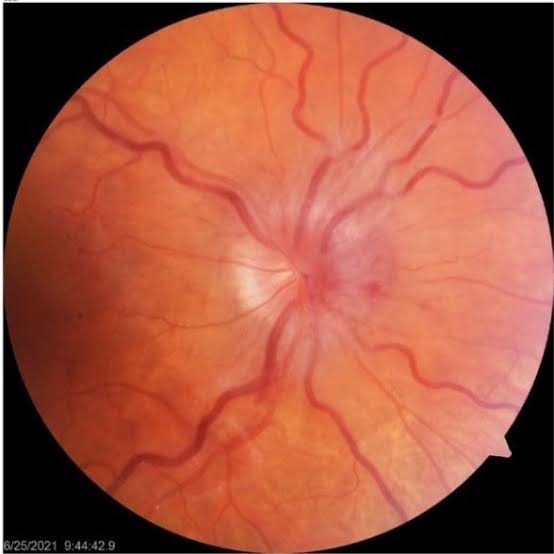
Image Source: Public Domain
Innovent Biologics, Inc. ("Innovent") (HKEX: 01801), a world-class biopharmaceutical company that develops, manufactures and commercializes high-quality medicines for the treatment of oncologic, autoimmune, cardiovascular and metabolic, ophthalmologic and other major diseases, announced that its independently developed recombinant anti-insulin-like growth factor 1 receptor (IGF-1R) antibody, SYCUME® (Teprotumumab N01 Injection, R&D code: IBI311), has achieved its primary study endpoint at Week 24 in a multicenter, randomized, double-blind, place bo-controlled Phase 3 clinical study (RESTORE-3) in Chinese participants with inactive thyroid eye disease (TED). In this study, SYCUME® demonstrated remarkable efficacy in reducing proptosis in participants with inactive TED, with a favorable safety profile.
SYCUME® is the first IGF-1R antibody drug in China and the second one approved worldwide, filling a 70-year treatment gap in the domestic TED field. Officially included in China's National Reimbursement Drug List on January 1, 2026, SYCUME® substantially alleviates the financial burden on patients compared to the high cost of overseas counterparts, significantly enhancing drug accessibility. Patients with inactive TED account for approximately two-thirds of the overall TED population1. Thus, the positive Phase 3 clinical trial results in inactive TED participants mark another milestone breakthrough for SYCUME® in full-course disease management and precision therapy for TED, providing novel clinical evidence for the treatment of inactive TED in China.
RESTORE-3 is a multicenter, randomized, double-blind, placebo-controlled Phase 3 clinical trial designed to evaluate the efficacy and safety of IBI311 in Chinese participants with inactive TED. A total of 116 eligible participants were randomized in an approximate 2:1 ratio to receive either IBI311 or placebo. The primary efficacy endpoint was the proptosis response rate of the study eye at Week 24, and the key secondary endpoint was the change from baseline in proptosis of the study eye at Week 24.
The study enrolled 116 participants with inactive TED (bilateral CAS ≤ 2 points), with a mean disease duration of 4.3 years, a baseline mean proptosis distance of 22.16 mm in the study eye, and approximately 74.1% of patients presenting with a baseline CAS of 0 or 1 point. Within this baseline population, IBI311 demonstrated clinically meaningful efficacy, successfully achieving all primary and key secondary endpoints:
The follow-up of this study is still ongoing, and the complete data will be published in future academic conferences or peer-reviewed academic journals. Although the baseline mean proptosis in RESTORE-3 was lower than that in the TEPEZZA® study (indirect comparison), the proptosis response rate and the proptosis reduction of IBI311 were generally consistent with TEPEZZA®'s data2 in inactive TED.
Professor Zhongyan Shan from the First Hospital of China Medical University, Lead Principal Investigator of the study stated: "For a long time, effective pharmacological interventions for inactive TED have been lacking. Following the resolution of acute inflammation, patients frequently suffer from persistent proptosis and facial disfigurement. At this stage, surgical intervention has been virtually the sole recourse, leading many patients to forgo treatment and endure the chronic burden of the disease. Results from this trial confirm that SYCUME® yields robust and clinically meaningful reductions in proptosis even in patients with chronic, inactive TED. This not only validates the therapeutic value of targeting IGF-1R in long-duration inactive TED, but also offers tens of thousands of chronic TED sufferers and clinicians a novel non-surgical treatment paradigm—promising new hope and restored quality of life for patients with inactive TED."
Dr. Lei Qian, Chief R&D Officer (General Biomedicine Pipeline) of Innovent Biologics indicates: "As the first targeted therapy for TED approved and successfully incorporated into the NRDL in China, SYCUME® has already benefited a vast number of TED patients. With these positive Phase III trial results, SYCUME® now achieves comprehensive disease coverage ranging from 'early acute control' to 'chronic phase tissue remodeling.' This milestone underscores Innovent's steadfast commitment to serving TED patients while reinforcing SYCUME®'s leading position in this therapeutic space. We will work closely with medical experts to rapidly translate these clinical findings into standard clinical practice, benefiting a broader patient population and elevating the overall standard of TED diagnosis and care in China."


© 2026 Biopharma Boardroom. All Rights Reserved.