03 March 2026 | Tuesday | News
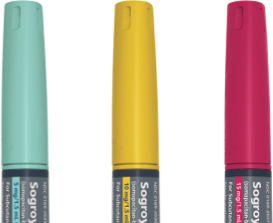
Novo Nordisk announced that the US Food and Drug Administration (FDA) has approved three new indications for once-weekly Sogroya® (somapacitan-beco) injection 5 mg, 10 mg, or 15 mg, a long-acting growth hormone.1 Sogroya® is now indicated for children aged 2.5 years and older with Idiopathic Short Stature (ISS), short stature born Small for Gestational Age (SGA) and with no catch-up growth by 2 years of age, or growth failure associated with Noonan Syndrome (NS).1Sogroya® is also indicated for children aged 2.5 years and older and adults with growth hormone deficiency (GHD).1
"Daily injections have defined the growth disorder treatment paradigm for more than 40 years. Our scientific leadership and focus on advancing care in rare diseases led us to the development of Sogroya® – a once‑weekly growth hormone therapy – which may help address the challenge of daily injections while offering patients and families a therapeutic option that delivers efficacy and safety," said Nicky Kelepouris, Rare Endocrine Disorders-US Medical Lead. "These new approvals expand the patient populations that can be helped by Sogroya® and reflect our strategic focus on delivering meaningful, evidence‑based innovation for children living with growth disorders."
Compliance to 365 daily injections per year for growth hormone treatment can be a common challenge for children and their caregivers. Having an alternative once-weekly option may assist with this challenge.2,3,4
"Families and healthcare professionals now have the option to consider a once-weekly growth hormone as treatment with 313 injection free days per year for their children 2.5 years and older with ISS, NS, and born SGA," said Dr. Aristides Maniatis, Founder, Rocky Mountain Pediatric Endocrinology (Centennial, CO) and an investigator in the trial. "Sogroya® is an effective alternative to daily injections that supports children's growth goals and may help fit into their routine."
REAL8, the pivotal study for these approvals, contained three sub studies that achieved their primary endpoint, demonstrating that once-weekly Sogroya® (somapacitan-beco) injection 5 mg, 10 mg, or 15 mg was non-inferior to once-daily growth hormone treatment for mean annualized height velocity (AHV) at Week 52 across these three indications in children aged 2.5 years and older:
In REAL8, the adverse reactions occurring in ≥10% of patients treated with Sogroya® across all three indications were respiratory tract infection, nasopharyngitis, ear infection, and diarrhea. Additional reactions occurring in ≥10% of patients treated with Sogroya®included: headache in ISS and NS; cough, pyrexia, and vomiting in NS and SGA; and injection site reaction in ISS.1









© 2026 Biopharma Boardroom. All Rights Reserved.