17 March 2026 | Tuesday | News
Study designed to support potential label expansion into additional settings of cholestatic pruritus
- Topline data expected in Q4 2026
Mirum Pharmaceuticals, Inc. (Nasdaq: MIRM), a leading rare disease company, announced completion of enrollment in EXPAND, a Phase 3 randomized, double-blind, placebo-controlled study evaluating LIVMARLI® (maralixibat) for the treatment of cholestatic pruritus in patients aged 6 months or older with rare cholestatic liver diseases, including biliary atresia.
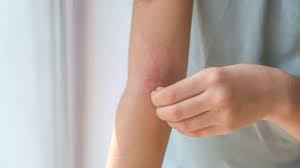
Cholestatic liver diseases are characterized by impaired bile flow, resulting in elevated serum bile acids, severe pruritus, and significantly reduced quality of life. While LIVMARLI is approved in the United States and European Union for the treatment of cholestatic pruritus associated with Alagille syndrome and progressive familial intrahepatic cholestasis (PFIC), patients with other rare cholestatic liver diseases continue to experience debilitating itch and treatment options remain limited.
“Completing enrollment in EXPAND marks an important milestone in our efforts to broaden the reach of LIVMARLI to additional patients living with cholestatic pruritus,” said Joanne Quan, M.D., Chief Medical Officer at Mirum Pharmaceuticals. “Itch due to cholestasis profoundly affects the daily lives of patients and their families. We aim to address the unmet medical needs of these patients by leveraging our established IBAT mechanism.”
The EXPAND study enrolled patients with cholestatic pruritus associated with a range of rare cholestatic liver diseases. In the 20-week placebo-controlled portion, patients are randomized to receive maralixibat 285 micrograms per kilogram (µg/kg) twice daily or placebo. The primary endpoint is change in pruritus severity from baseline to Week 20. Secondary endpoints include changes in serum bile acids and other markers of cholestatic liver disease.
“For the patients and families living with rare liver diseases, cholestatic pruritus isn’t just an itch—it can be relentless, exhausting, and life-altering,” said Dr. Mercedes Martinez, M.D., Professor of Pediatrics and Medicine at CUMC, Columbia University Vagelos College of Physicians and Surgeons. “Yet for many of these conditions, there are still no approved treatment options for pruritus. The EXPAND study marks an important milestone in exploring whether a targeted therapy like LIVMARLI can offer meaningful relief to patients who urgently need better treatment options.”
“Families affected by biliary atresia and other rare cholestatic conditions understand the relentless burden of itch,” said Jen Lau, MPH, Co-Founder and Executive Director of BARE, Inc. (Biliary Atresia Research and Education). “The completion of enrollment in EXPAND brings hope that more patients may soon have access to a much-needed treatment option.”
Topline data from the EXPAND study are expected in the fourth quarter of 2026.








© 2026 Biopharma Boardroom. All Rights Reserved.