30 March 2026 | Monday | News
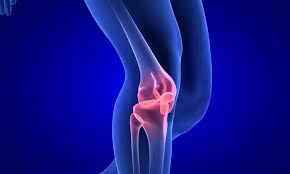
Eli Lilly and Company announced detailed results from the TOGETHER-PsA open-label Phase 3b clinical trial evaluating the concomitant use of Taltz (ixekizumab) and Zepbound (tirzepatide) compared to Taltz alone in adults with active psoriatic arthritis (PsA) and obesity or overweight with at least one additional weight-related comorbid condition. These results were presented in a late-breaking presentation at the 2026 American Academy of Dermatology (AAD) Annual Meeting and simultaneously published in Arthritis & Rheumatology.
At the primary endpoint of 36 weeks, treatment with concomitant Taltz and Zepbound met the primary and all key secondary endpoints for statistically significant superiority to Taltz monotherapy. A greater reduction in PsA disease activity (ACR50) was seen as early as Week 4 in the Taltz and Zepbound treatment arm (as compared to Taltz alone), before clinically meaningful weight loss was observed. Treatment with Taltz and Zepbound also led to a significant increase in patients achieving Minimal Disease Activity (MDA), a high bar for PsA treatment success, along with improvements in fatigue, physical function, mental health-related quality of life, cardiometabolic health and inflammation. In addition, Taltz plus Zepbound was associated with nominally statistically significant improvements in BMI, body weight, systolic blood pressure, glucose, HbA1c, triglycerides, and total cholesterol versus Taltz monotherapy.
"In TOGETHER-PsA, treating PsA and obesity concurrently with Taltz and Zepbound yielded meaningful, broad improvements in PsA disease activity, inflammation, and outcomes that can impact patients' daily lives, such as fatigue, disability and quality of life," said Philip Mease, M.D., Director of Rheumatology Research, Swedish Medical Center and Clinical Professor at the University of Washington, Seattle and TOGETHER-PsA study author. "These two chronic inflammatory diseases are often intertwined, with patients managing a substantial disease burden that remains difficult to treat. This clinical evidence supports a potential transformation in how we approach treatment for this patient population."
Approximately 65% of adults with PsA in the U.S. also have obesity or overweight with at least one additional weight-related comorbidity,1 a disease burden that is difficult to treat and often associated with poorer clinical outcomes.2-3 Major treatment guidelines recommend management of obesity as part of comprehensive PsA care, underscoring the need for integrated treatment approaches that address the full burden of these diseases. TOGETHER-PsA enrolled a population with an average body mass index (BMI) of 37.6 kg/m² across both treatment arms, which is higher than historical Phase 3 trials for PsA biologics.4-10 Participants also had high disease activity and impaired physical function at baseline, and more than 60% had prior experience with one or more advanced therapies.
TOGETHER-PsA 36-Week Results
|
Taltz |
Taltz + Zepbound |
|
|
Primary Endpoint |
||
|
Percentage of patients achieving ACR50i + ≥10% weight reduction |
0.8 % |
31.7 % |
|
Key Secondary Endpoints |
||
|
Percentage of patients achieving ACR50 |
20.4 % |
33.5 % |
|
Percentage of patients achieving ACR20 + ≥5% weight reduction |
10.3 % |
69.7 % |
|
Percentage of patients achieving ≥10% weight reduction |
4.5 % |
84.5 % |
|
Select Additional Secondary Endpoints and Patient Reported Outcomesii |
||
|
Percentage of patients achieving Minimal Disease Activity (MDA)iii |
15.3 % |
26.3 % |
|
hsCRP change from baseline, mg/Liv |
−0.44 |
−1.79 |
|
HAQ-DI total score change from baselinev |
−0.3 |
−0.5 |
|
FACIT-Fatigue change from baselinevi |
4.8 |
8.6 |
|
SF-36 Mental Component Score (MCS)vii |
0.4 |
3.1 |
|
Hypothetical efficacy estimand in the modified intent-to-treat (mITT) population is used in all endpoints. The hypothetical efficacy estimand represents efficacy in all mITT participants who remained on study intervention without initiating prohibited medication. |
"Living with psoriatic arthritis and obesity can deeply affect every part of a person's day—from how they feel physically to what they're able to do," said Adrienne Brown, executive vice president and president, Lilly Immunology. "The TOGETHER-PsA results show that when Taltz and Zepbound were used together, people saw meaningful improvements in their psoriatic arthritis and felt better in their daily lives. What's especially encouraging is that patients reported less fatigue and greater physical function to do the things that matter to them. This highlights what may be possible when we take a comprehensive approach to care."
Adverse events in participants treated with concomitant administration of Taltz and Zepbound were generally mild to moderate, and the types of adverse events were consistent with the known safety profile of each medicine. The most common adverse events occurring in ≥5% of participants included nausea, diarrhea, constipation and injection site reactions in the concomitant treatment arm, and injection site reactions and upper respiratory tract infections in the Taltz monotherapy arm.
Detailed findings will be discussed with regulators.
Taltz is a monoclonal antibody that selectively binds with interleukin 17A (IL-17A) cytokine and inhibits its interaction with the IL-17 receptor. Taltz is the only biologic with data supporting a potential comprehensive treatment approach alongside an incretin therapy for people with psoriatic arthritis who also have obesity or overweight. Zepbound is the only FDA-approved dual GIP (glucose-dependent insulinotropic polypeptide) and GLP-1 (glucagon-like peptide-1) receptor agonist obesity management medication.



© 2026 Biopharma Boardroom. All Rights Reserved.