26 August 2026 | Wednesday | News

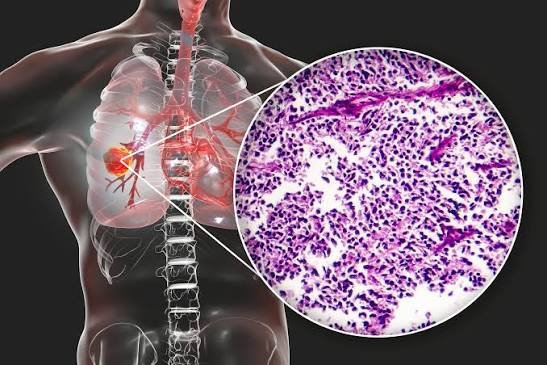
Nanjing Leads Biolabs Co., Ltd. (“Leads Biolabs” or the “Company,” announced that Opamtistomig (LBL-024), the Company’s proprietary PD-L1/4-1BB bispecific antibody, as a first-line treatment for locally advanced or metastatic esophageal squamous cell carcinoma (ESCC), has completed its safety run‑in assessment and advanced to the expansion phase based on encouraging efficacy signals and a favorable safety profile.
The study is led by Professor Shen Lin of Peking University Cancer Hospital. In the safety run‑in stage, Opamtistomig in combination with chemotherapy demonstrated encouraging efficacy signals in patients with ESCC receiving first-line treatment, with a favorable overall safety and tolerability profile. Based on these findings and a comprehensive evaluation by the sponsor and investigators, the study has advanced to the combination therapy expansion phase.
This expansion phase is designed as a randomized controlled trial to conduct a head‑to‑head comparison of Opamtistomig plus chemotherapy versus tislelizumab plus chemotherapy as first‑line therapy for ESCC, aiming to further improve clinical outcomes over the current standard of care.
Opamtistomig is currently being evaluated in 11 clinical studies, including one pivotal single-arm registrational study, one confirmatory Phase III clinical study and nine proof-of-concept (“POC”) studies. To date, patient enrollment has been completed in three POC studies in first-line extrapulmonary neuroendocrine carcinoma (EP-NEC), small cell lung cancer (SCLC) and biliary tract cancer (BTC), of which the first-line EP-NEC program has advanced into confirmatory Phase III clinical development. Two additional POC studies in hepatocellular carcinoma (HCC) and ESCC have advanced to the expansion stage, further validating Opamtistomig’s pan‑tumor efficacy potential. Opamtistomig has demonstrated encouraging and durable efficacy signals across multiple indications. Clinical data from the first seven indications have demonstrated robust antitumor activity, while maintaining a favorable safety profile and good tolerability in approximately 800 patients, supporting its continued development as a potential next-generation immuno-oncology backbone therapy.



© 2026 Biopharma Boardroom. All Rights Reserved.