09 September 2026 | Wednesday | News
Novartis announced that the global Phase III HARBOR study evaluating del-desiran in people living with myotonic dystrophy type 1 (DM1) did not demonstrate statistically significant improvement versus placebo on the primary endpoint of video hand opening time (vHOT), a novel measure of hand myotonia.¹,² Evidence of clinical activity in secondary endpoints and exploratory analyses were observed. Safety findings from HARBOR were generally consistent with previously reported data. Novartis is evaluating the full HARBOR dataset and will engage with health authorities to determine the most appropriate development path for del-desiran.
“Despite decades of research, there are still no approved treatment options for DM1, and patients and caregivers continue to face a significant daily burden,” said Shreeram Aradhye, President, Development and Chief Medical Officer, Novartis. “Developing therapies for a complex disease like DM1 remains challenging, and setbacks are part of scientific progress. As we continue to evaluate the full HARBOR dataset, we remain committed to identifying the most appropriate development path for the del-desiran program and advancing innovative approaches for people living with DM1 and other serious neuromuscular diseases.”
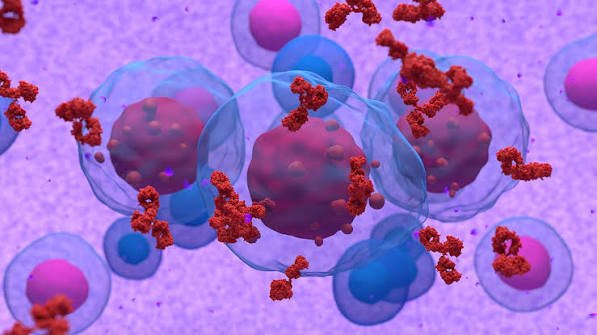
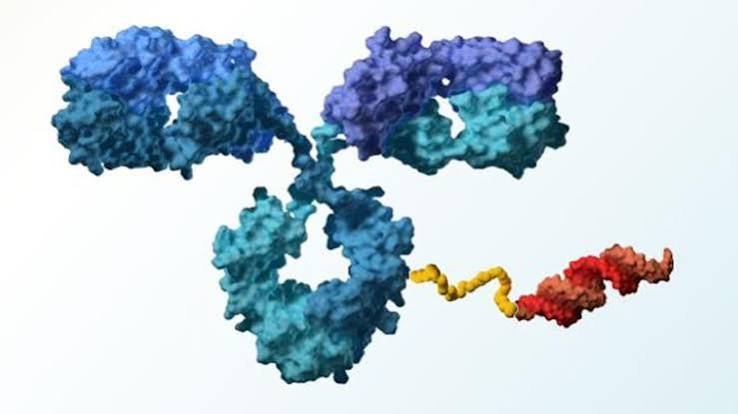
Del-desiran is one of three antibody oligonucleotide conjugate (AOC) therapies added to the Novartis neuromuscular pipeline through the acquisition of Avidity Biosciences. Novartis is advancing delpacibart zotadirsen (del-zota) in patients with Duchenne muscular dystrophy with mutations amenable to exon 44 skipping (DMD44). The company filed del-zota for accelerated approval and was granted priority review designation by US Food and Drug Administration (FDA). Novartis is planning to meet with the FDA on next steps for delpacibart braxlosiran (del-brax) in facioscapulohumeral muscular dystrophy (FSHD) based on recent positive Phase I/II biomarker data.









© 2026 Biopharma Boardroom. All Rights Reserved.