08 April 2026 | Wednesday | News

Sanofi’s lunsekimig met primary and key secondary endpoints in phase 2 respiratory studies in asthma and CRSwNP
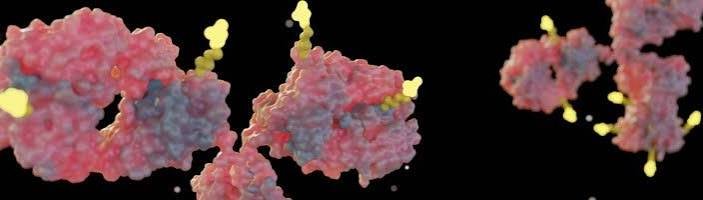
Phase 2 studies of lunsekimig in two chronic respiratory diseases met their primary and key secondary endpoints compared to placebo. Lunsekimig, a novel bispecific Nanobody® VHH, is made of five linked antibody fragments designed to simultaneously block TSLP and IL-13, two separate drivers of inflammation that contribute to tissue damage in asthma and related diseases. In both studies, lunsekimig was well tolerated, with an acceptable safety profile.
“These data are promising and support our belief that the dual-targeting mechanism of lunsekimig may offer a novel treatment option for patients living with respiratory diseases, including asthma,” said Houman Ashrafian, Executive Vice President, Head of Research & Development at Sanofi.“Importantly, these findings underscore lunsekimig’s potential to address multiple critical aspects of respiratory disease management through its unique mechanism.”
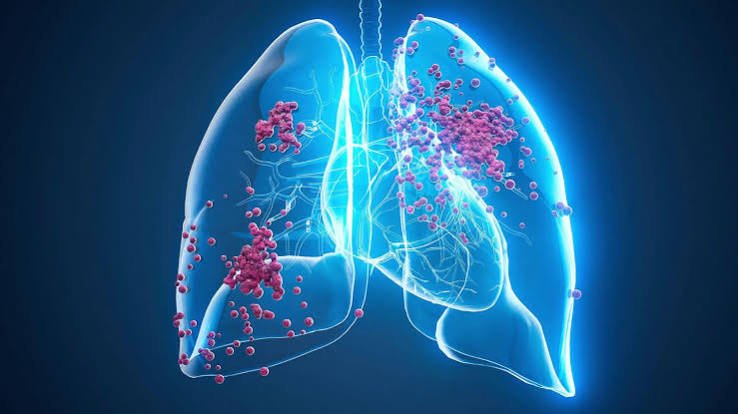
In the AIRCULES phase 2b study (clinical study identifier: NCT06102005), lunsekimig met its primary and key secondary endpoints demonstrating a statistically significant and clinically meaningful reduction in exacerbations and improvement in lung function, as measured by pre-bronchodilator forced expiratory volume in one second (pre-BD FEV1). The study enrolled adult patients with moderate-to-severe asthma, a form of the disease marked by recurrent symptoms and frequent flareups despite standard-of-care treatment.
The DUET phase 2a proof-of-concept study (clinical study identifier: NCT06454240), of lunsekimig in chronic rhinosinusitis with nasal polyps (CRSwNP), met its primary endpoint of change in nasal polyp score from baseline and met its key secondary endpoints of change in patient reported nasal congestion/obstruction score and change in Lund-Mackay Computed Tomography (LMK-CT) score, all compared to placebo at Week 24.
The separate exploratory VELVET phase 2b study (clinical study identifier: NCT06790121) evaluating lunsekimig in moderate-to-severe atopic dermatitis did not meet its primary endpoint of percent change from baseline in eczema area severity index (EASI) score. However, improvements were seen in the key secondary endpoints measuring skin clearance including EASI-75 (proportion of patients reaching a 75% or greater improvement in the EASI total score), and vIGA-AD 0/1 (proportion of patients reaching validated investigator global assessment scale for atopic dermatitis score of 0 or 1).
Across these studies, lunsekimig was generally well tolerated. In the AIRCULES study, among those who received at least one dose of lunsekimig, the most common (≥5%) treatment-emergent adverse events (TEAEs) were nasopharyngitis, upper respiratory tract infection, headache, and dose scheduling errors. In the DUET study, among those who received at least one dose of lunsekimig, the most common (≥5%) TEAEs were injection site reaction or erythema, viral upper respiratory tract infection, nasopharyngitis, epistaxis, ear pain, and increased creatine phosphokinase. Overall, rates of serious adverse events and TEAEs leading to treatment discontinuation in both studies were similar in the lunsekimig group and the placebo group. In the VELVET study, lunsekimig was generally well tolerated and had a safety profile consistent with the other studies.
Detailed results from the AIRCULES, DUET, and VELVET studies will be presented at upcoming medical congresses.
Lunsekimig is currently in clinical development in the AIRLYMPUS phase 2 study in high-risk asthma (clinical study identifier: NCT06676319) and in the PERSEPHONE and the THESEUS phase 3 studies (clinical study identifiers PERSEPHONE: NCT07190209, THESEUS: NCT07190222), and its safety and efficacy have not been evaluated by any regulatory authority.









© 2026 Biopharma Boardroom. All Rights Reserved.