28 April 2026 | Tuesday | News
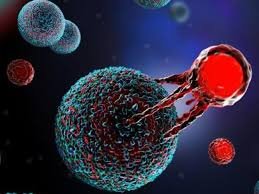
CREATE Medicines, Inc., ("CREATE"), a clinical-stage biotechnology company pioneering in vivo immune cell programming, announced the dosing of the first patient in the Phase 1/2 clinical trial of MT-304, an investigational in vivo HER2-targeted multi-immune CAR therapy. The study is evaluating MT-304 in patients with HER2-positive breast cancer and other HER2-positive solid tumors, including gastric cancer. MT-304 is the first of CREATE's multi-immune in vivo CAR therapies to enter clinical development and represents an important step in expanding the company's platform into NK and T cells.
"HER2-positive cancers remain an area of high unmet need for patients whose disease has progressed on available targeted therapies," said Matthew Maurer, M.D., Chief Medical Officer of CREATE. "Dosing the first patient with MT-304 reflects our ability to rapidly iterate on our mRNA-LNP platform to meet the clinical urgency. We are now engaging multiple arms of immunity simultaneously, an approach we believe can unlock durable responses where single lineage therapies have fallen short."
"Patients with HER2-positive cancers who have progressed beyond current options have very few paths forward," said Dr. Jordan Cohen, Medical Oncologist and Principal Investigator, Calvary Mater Newcastle, NSW, Australia. "Engaging both NK and myeloid cells simultaneously to coordinate multiple arms of the immune system to attack at the same time has not been possible in the clinic before now. That makes MT-304 both scientifically compelling and potentially meaningful for the patients who need it most."
Daniel Getts, Ph.D., CEO of CREATE, added "MT-304 is proof of what our platform can do, and what our team can execute. Our mRNA-LNP leadership enables us to move from concept to clinic with remarkable speed. Just last weekend at AACR, we presented compelling preclinical data across our in vivo CAR T, CAR NK, and CAR myeloid programs, and introduced RetroT, our all-RNA genome integration platform for stable, durable cell engineering without viral vectors. Both are on track to enter the clinic within 12 months, highlighting a platform designed to consistently convert innovation into clinical outcomes."






© 2026 Biopharma Boardroom. All Rights Reserved.