18 March 2026 | Wednesday | News
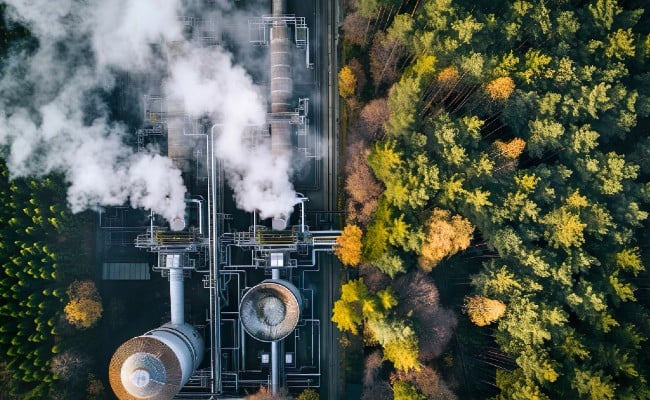
While companies make decarbonization progress elsewhere, heat has been considered too challenging to progress.
- Heat has now moved from a technical issue to a strategic risk that can only be addressed through cross-industry supply chain collaboration.
- Opportunities for suppliers include energy cost-saving, value protection and forging stronger relationships with key buyers.
- But many heat decarbonization efforts are stalling before delivery, and access to financing is a critical factor.
Global pharmaceutical company, AstraZeneca, supply chain intelligence platform, Secaro, and sustainability consultancy, ERM, have announced the launch of the Clean Heat Program. The program is designed to bridge the existing gaps in supply chain heat decarbonization that are substantially stalling progress and help businesses protect supply chains against energy security risks and price volatility.
Heat has now shifted from a technical issue to a strategic risk, which is partly due to the EU’s incoming carbon importer costs (CBAM) and increased scrutiny because of new SEC rules. Suppliers who cannot meet buyers’ climate targets risk losing business as these companies aim to get ahead of regulations and potential fines. But decarbonizing heat presents opportunities for suppliers too. Renewable energy power purchase agreements (PPAs) can generate significant energy cost savings - as well as secure energy supply - and solutions such as on-site generation are becoming cost-effective. By collaborating on heat decarbonization, suppliers can build stronger, embedded relationships with key buyers and protect value by anticipating regulation.
“Decarbonizing heat is now business critical,” says Emily Prior, Chief Growth Officer, Secaro. “It is an essential way to protect revenue, reduce exposure to energy price shocks, and stay ahead of regulation and investor and customer expectations.”
While decarbonizing heat is not only about reducing emissions and environmental impact, many businesses remain focused on climate goals. Recent studies reveal that 65% of companies have established net zero climate targets and the number of companies adopting Science Based Target Initiatives (SBTi) increased by over 14% in 2025. However, heat decarbonization has been considered too challenging and technically difficult to address.
This is an issue because industrial process heat accounts for 18% of global GHG (greenhouse gas) emissions every year, and it remains heavily reliant on fossil fuels. Indicative data from Secaro's pharmaceutical program shows that 80% of facility emissions are scope 1 and 60% are natural gas. Under 10% of this sample uses biofuels for direct energy. And industry analysis shows that renewable heat is predicted to reach just 15% by 2028.
The new program will utilize Secaro’s wealth of environmental supply chain data – including new heat-specific data, the platform’s data collection, analysis and solution recommendation tools, and its 8,000 strong membership network of buyers, suppliers and solutions providers. ERM will provide deeper, technical assessments on heat, using the insights from Secaro’s data, and will guide businesses through to solutions, investment and impact.
“By combining Secaro’s data with ERM’s technical expertise, we can accelerate the delivery of heat decarbonization projects that have historically struggled to move beyond preliminary assessment,” said Jon Hughes, Partner at ERM. “The Clean Heat Program will provide clients with the practical implementation support required to decarbonize industrial heat while strengthening resilience, reducing risk, and unlocking value across the supply chain.”
Internal capital constraints have been identified as a critical factor. CFOs are now required to prove short payback periods that are unrealistic for heat projects. Onsite teams can identify the need for new boilers or upgrades, but they lack clear pathways to secure finance with single-site projects rarely large enough to warrant investment.
“Many organizations are looking at heat in isolation, comparing the current gas bill to a full switch to biomethane for example,” continues Emily. “In order to succeed in decarbonizing supply chain heat, businesses need to take a more holistic approach that starts with efficiency, and then moves to decarbonized fuels, so that the economics work. As part of this program, businesses will have access to a range of financing solutions, including access to the EU-based heat decarbonization fund and off-balance-sheet financing partners.”
AstraZeneca has joined as a founding partner, gaining early access to the program, shared development and learning, and a structured way to enable supplier action in a critical emissions hotspot. The position will see the company collaborating with peers, suppliers, and major buyers in other industries to address the common issues that are delaying heat decarbonization.
"It's clear that a program like this is the fastest and most effective way to decarbonize heat in our supply chain," says Rob Williams, Senior Director of Sustainable Procurement at AstraZeneca. “We are long-term partners with Secaro and ERM, and now we're expanding relationships with peers, buyers from other industries, and suppliers to plan, fund, and launch the projects that will make heat decarbonization a reality. This level of collaboration is essential."
The Clean Heat Program builds on the progress to date of industry collaborations such as the Sustainable Markets Initiative (SMI), which has an active working group focused on supplier education and heat decarbonization. The Program will also work closely with initiatives led by the Pharmaceutical Supply Chain Initiative (PSCI) and the Scope 3 Peer Group.








© 2026 Biopharma Boardroom. All Rights Reserved.