23 June 2026 | Tuesday | Expert Opinion
As the biopharmaceutical industry enters a new phase of growth, manufacturers are under increasing pressure to deliver greater capacity, accelerate innovation, and maintain the highest standards of quality and sustainability. Samsung Biologics has emerged as a global leader by combining large-scale manufacturing expertise with forward-looking investments in advanced technologies, new therapeutic modalities, and operational excellence. At BIO 2026, senior leaders from across the organization share their perspectives on the trends reshaping biomanufacturing—from AI-driven operations and cell and gene therapies to ESG commitments and the evolving role of strategic CDMO partnerships.
Samsung Biologics continues to scale manufacturing capacity globally. How do you balance rapid expansion with operational excellence and quality?
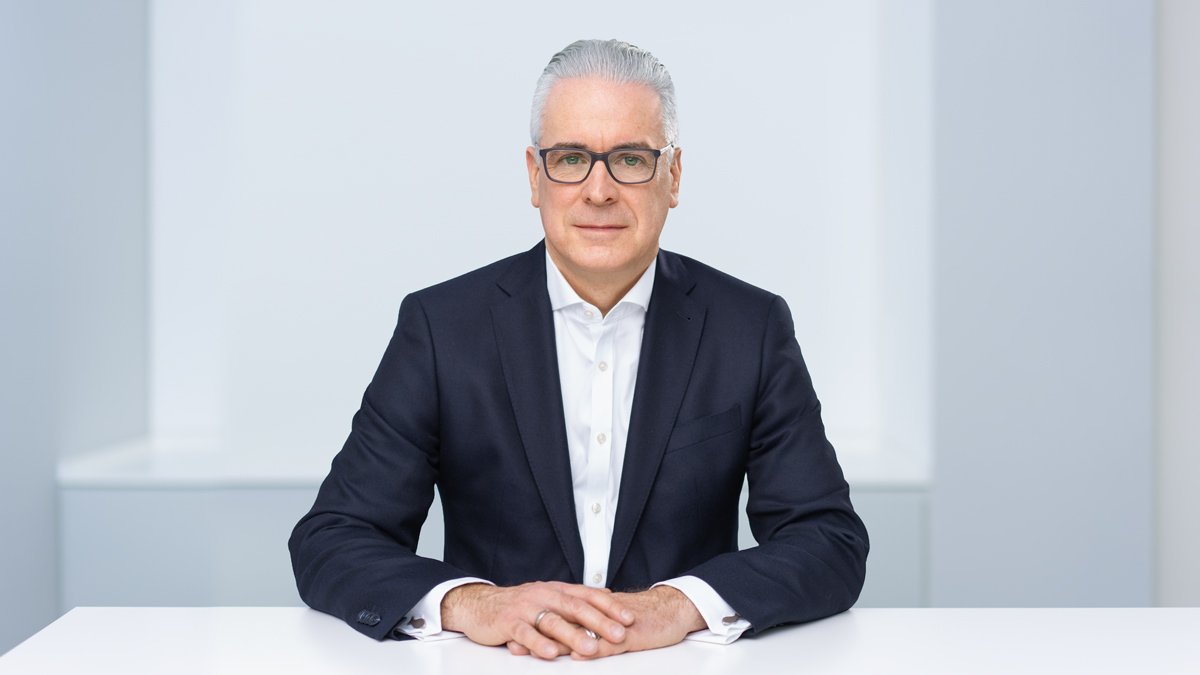
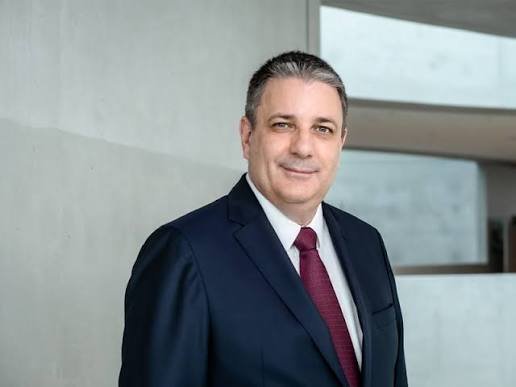
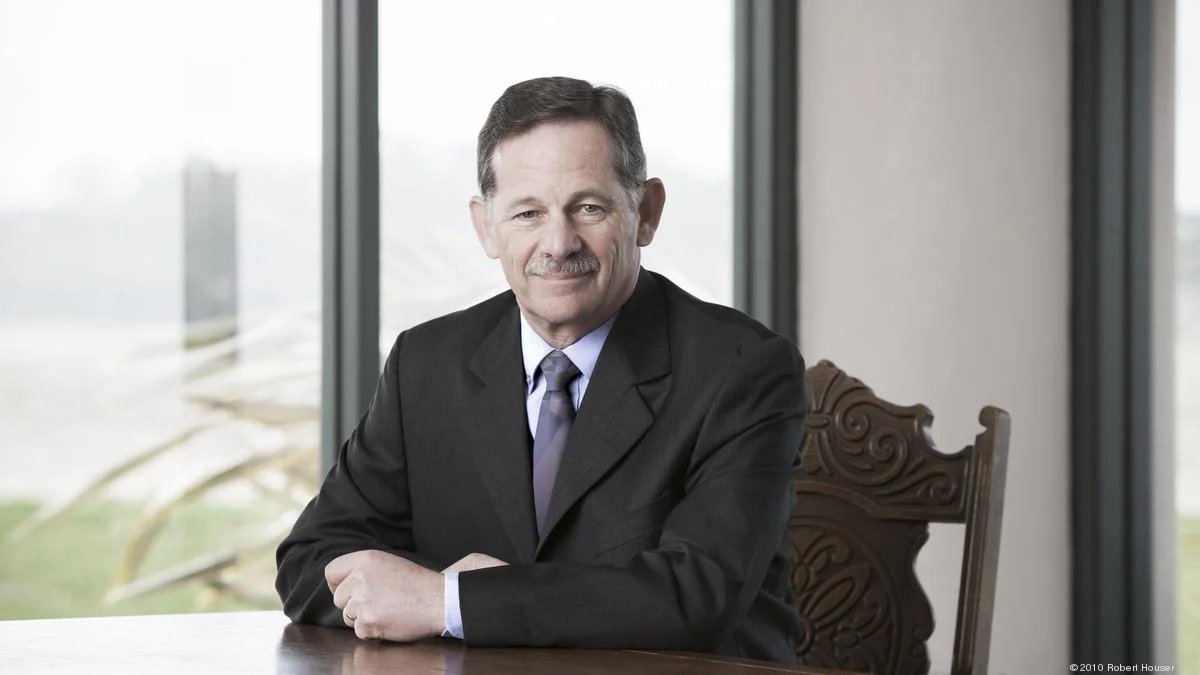
Yoojin Kim, Senior Director of Tech Operations
At Samsung Biologics, balancing rapid global expansion with operational excellence and quality comes down to a core principle we call the 3S’s: Standardization, Scalability, and Simplification.
Standardization ensures that every facility, old or new, operates under the same stringent quality protocols and processes. This eliminates variability and allows us to replicate excellence across sites, regardless of location or scale.
Scalability is embedded in our facility design from day one. By building with flexible, modular infrastructure, we can ramp up capacity rapidly without compromising the integrity of our manufacturing systems or regulatory compliance.
Simplification means continuously streamlining workflows and eliminating unnecessary complexity. The simpler the process, the fewer the points of potential lapse — and the easier it is to maintain consistent quality at scale.
Together, these three pillars allow us to grow aggressively while never losing sight of what matters most: delivering reliable, high-quality biologics to our partners.
How is Samsung Biologics supporting the growing pipeline of cell and gene therapies alongside monoclonal antibodies and biosimilars?
Amos Tsai, Principal Scientist of CDO Development
Samsung Biologics is strategically expanding its capabilities alongside monoclonal antibodies to support the rapidly growing pipeline in new modalities like cell and gene therapies (CGTs). The company has acquired land for its Bio Campus III with the intent to support growth in new modalities including CGTs, and is actively reviewing investment options such as building GMP production capacity for viral vectors that mirrors its established world-class mAb manufacturing platform. This approach can be distilled into three key pillars: Platform, AAV, and GMP.
By leveraging its proven single-use bioreactor platform technology, Samsung Biologics is adapting the same standardized, scalable approach that made it a leader in mAb manufacturing to the viral vector space. The company is also looking into focusing significant investment on adeno-associated virus (AAV) vector production, a critical delivery vehicle for gene therapies. Lastly, we are replicating our rigorous, high-quality GMP manufacturing infrastructure to meet stringent regulatory standards for viral vectors.
When these three elements integrate, Samsung Biologics can offer the same reliability, scalability, and speed-to-market that biopharma partners have come to expect, extended to the advanced therapeutic modalities of CGTs.
Sustainability has become a major topic in biopharma manufacturing. What initiatives are having the biggest impact within your operations?
Jimin Han, Director of ESG
Sustainability has become a central priority in biopharma manufacturing, and within our operations, we focus on three core environmental frameworks that are driving the greatest impact.
SBTi (Science Based Targets initiative) provides the backbone for our decarbonization strategy, ensuring that our emissions reduction targets align with climate science and keep us accountable to measurable goals. This governs everything from business operations to value chain emissions.
Life Cycle Assessments (LCAs) have also been instrumental in understanding the full environmental footprint of our products — from raw material sourcing through manufacturing to end-of-life. LCA data informs process optimization, material selection, and waste reduction efforts across the value chain.
Lastly, RE100 achievement drives our transition to 100% renewable electricity for production facilities, which directly reduces Scope 2 emissions and supports broader renewable energy adoption in the sector.
Beyond the environmental dimension, we are increasingly expanding into supply chain management, working with suppliers to align on these same frameworks — creating a more transparent, low-carbon, and resilient supply chain that amplifies our overall sustainability impact.
What technologies or innovations are most reshaping large-scale biologics manufacturing in 2026?
Daebum Heo, Senior Director of Operation Innovation
Interconnected technologies are fundamentally reshaping the landscape — and these priorities are being actively mandated across all operations at Samsung Biologics.
Digital twins enable the real-time, virtual replication of facilities and processes, allowing us to simulate, predict, and optimize manufacturing without disrupting live production. This accelerates scale-up and reduces costly downtime.
Agentic AI goes beyond traditional automation by autonomously monitoring bioreactors, adjusting process parameters in real time, and making data-driven decisions — improving yield consistency and reducing variability.
Robotics are transforming material handling, cell culture sampling, and downstream purification through automated systems that enhance precision, reduce contamination risk, and enable truly continuous 24/7 operations.
These three innovations are not just industry trends — they are the core technology pillars driving the company’s manufacturing strategy and being proactively integrated into our operations.
What are pharmaceutical companies now expecting from strategic CDMO partners beyond manufacturing capacity alone?
Mary Lee Schiesz, Senior Director of CMO Sales
The CDMO landscape has shifted. Biopharmaceutical companies are no longer asking simply "How much can you make?" but rather "How reliably can you solve my hardest problems?"
Flexibility is the new currency, but it means little without uncompromising quality. Partners must pivot seamlessly between early-stage clinical runs and commercial-scale production, adapting to volatile demand while maintaining zero-defect manufacturing and regulatory foresight that anticipates rather than reacts.
This is where transactional relationships give way to true partnership — co-investing in technology, sharing risk, and bringing formulation expertise early in development. A partner who fills a capability gap, not just a capacity slot, can be called strategic.
In an era of drug shortages and supply chain fragility, a flexible CDMO partner that can provide predictable supply chains, through transparent communication and consistent delivery across complex global networks, will ultimately be the preferred partner.



© 2026 Biopharma Boardroom. All Rights Reserved.