01 June 2026 | Monday | Interview

As healthcare systems around the world grapple with rising costs, growing chronic disease burdens, and increasing demand for innovative therapies, biosimilars are emerging as a powerful solution to improve both affordability and access. In this exclusive conversation with BioPharma BoardRoom, Shreehas Tambe reflects on nearly three decades with Biocon, the transformative impact of biosimilars on global healthcare, and the policy and regulatory changes reshaping patient access in the United States and beyond. From addressing the global diabetes epidemic to advancing oncology care and envisioning a more equitable healthcare future, Tambe outlines how biosimilars are poised to become a cornerstone of sustainable healthcare by 2030.
Q: Can you briefly tell us about Biocon and your leadership journey?
Shreehas Tambe: My journey with Biocon began 28 years ago, straight out of university. This longevity has given me a unique perspective on the evolution of affordable medicines—from generics to biosimilars. Today, Biocon has a global outlook, now operating in over 120 countries. Biosimilars are at a critical inflection point, with affordability and access more important than ever as health care systems worldwide seek to balance innovation, cost and access.
Q: How do we fight the growing diabetes and obesity—or ‘diabesity’—epidemic, and ensure patients have access to critical medications?
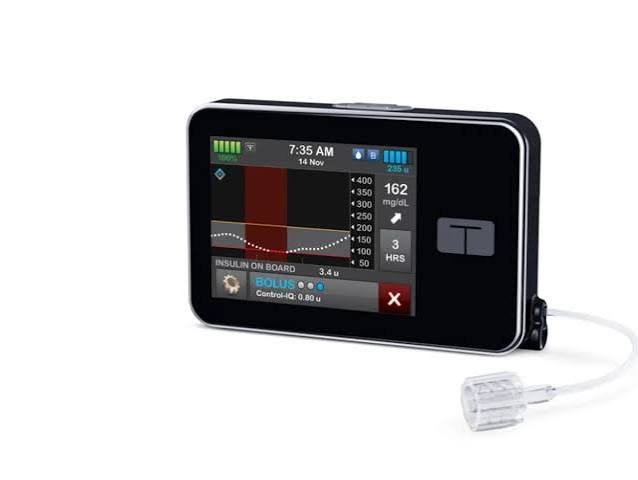
Tambe: Diabesity now affects over 800 million people worldwide, including 38 million Americans, and places immense pressure on health care systems. For many, the price of insulin is a life-or-death issue. While GLP-1s are innovative therapies, comprehensive diabetes care requires a coordinated approach: societal change, nutrition education, early intervention, and—crucially—affordable, accessible medications. Diabetes is a deadly, often silent disease, causing two million deaths annually and leading to multiple comorbidities that severely impact quality of life and productivity, costing over $2.5 trillion globally each year. Biosimilar insulins are transformative, expanding access and reducing costs for millions, but their impact depends on effective policies, partnerships and ongoing innovations. Collaborations, such as our partnerships with Civica and CalRx, enable state-led affordable prescriptions and have the potential for national expansion.
Q: There hasn’t been a time in recent memory when the accessibility and affordability of medicines have been so front and center—particularly in the United States. What progress stands out most?
Tambe: After a decade of groundwork, biosimilars are finally transforming U.S. healthcare. Biosimilars have delivered $56 billion in savings since 2015 and now capture 23% of the biologics market. Notably, 60% of these savings have occurred in the last two years. The U.S. biosimilars landscape has shifted decisively, with trusted science and evolving policy translating into real patient impact. The FDA’s recent draft guidance may eliminate the need for Phase 3 clinical trials for many biosimilars, accelerating access without compromising safety. Regulatory changes are reducing development costs by up to $300 million per product and slashing timelines by up to 50%. New federal and state policies could unlock $181 billion in projected savings over the next five years. In oncology, biosimilars have achieved up to 80% adoption in certain classes, maintaining clinical outcomes while reducing costs.
Q: How are recent regulatory and policy shifts changing the biosimilar landscape in the U.S.? What does that mean for patient access?
Tambe: The momentum around biosimilars in the U.S. is being reshaped by a more science‑driven and pragmatic policy environment. Most recently, the FDA’s recent guidance to streamline pharmacokinetic testing, when scientifically justified, and its openness to reducing or eliminating unnecessary clinical trials signal a shift toward focusing on robust analytical and functional evidence rather than duplicative studies. That lowers development costs, reduces time to market, and encourages more competition. At the same time, broader reforms such as the Inflation Reduction Act and progress on “skinny label” legislation address long‐standing legal and reimbursement barriers that have slowed uptake. Together, these changes strengthen the business case for biosimilars while accelerating patient access.
Q: What comes next to fully realize the promise of biosimilars?
Tambe: To unlock the full potential of biosimilars, we must address patent thickets and anticompetitive barriers that delay patient access. In addition to the FDA’s recent guidance, policy proposals, like the Biosimilar Red Tape Elimination Act (BRTEA) signal growing bipartisan support for reducing unnecessary barriers. Education is equally important—both physicians and patients need clear, evidence-based information about the safety, efficacy and cost savings of biosimilars. Publishing data on real-world outcomes and savings, particularly in oncology and chronic disease, will be critical for building confidence and driving broader adoption.
Education is also a critical ingredient for success. Many patients and even some providers remain unfamiliar with biosimilars or have questions about their safety and efficacy. Addressing these gaps through transparent communication and stakeholder education for manufacturers, providers, payers, policymakers and patient organizations is essential to building trust and ensuring that the benefits of biosimilars reach those who need them most.
Q: Let’s talk about the future. Where is Biocon in 2030?
Tambe: By 2030, the biosimilars sector is expected to play a much larger role in health care as more biologics lose patent protection and new biosimilars enter the market. Widespread adoption could translate into greater affordability and access for millions of patients, particularly in chronic and life-threatening conditions. We envision a world where insulin is universally accessible—currently, we serve one in five insulin-dependent patients, a number set to grow as we expand capacity and reach. In oncology, we already support one in four breast cancer patients in the U.S., and by 2030, biosimilars will make an even greater impact as they will be fully trusted and integrated into care pathways, unlocking billions in savings and broadening access globally. We are fortunate to have the opportunity to be at the center of a more equitable healthcare system—one where high-quality biologics are accessible, affordable and available to every patient who needs them.



© 2026 Biopharma Boardroom. All Rights Reserved.