26 June 2026 | Friday | News
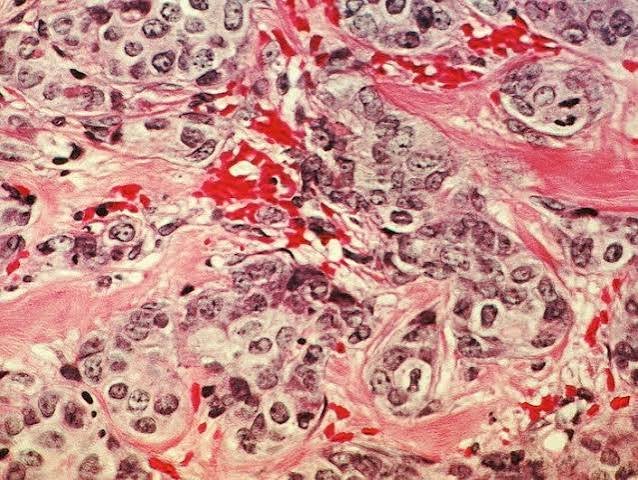
Pfizer Inc. announced the U.S. Food and Drug Administration (FDA) approved IBRANCE® (palbociclib) in combination with trastuzumab, with or without pertuzumab, and endocrine therapy for the maintenance treatment of adult patients with hormone receptor-positive (HR+), human epidermal growth factor receptor 2-positive (HER2+) locally advanced or metastatic breast cancer (MBC) following induction treatment. The approval is based on positive results from the Alliance Foundation Trials, LLC (AFT)-sponsored Phase 3 PATINA trial.
“Over the past decade, IBRANCE has helped transform metastatic breast cancer treatment, establishing CDK4/6 inhibition as a cornerstone of care,” said Aamir Malik, Chief U.S. Commercial Officer and Executive Vice President, Pfizer. “With today’s FDA approval, IBRANCE becomes the first and only CDK4/6 inhibitor indicated for patients with HR+ metastatic breast cancer regardless of HER2 status, extending its impact to patients who continue to face challenges with treatment resistance. This milestone strengthens confidence in IBRANCE as a CDK4/6 inhibitor backbone across combination regimens, reflecting Pfizer's ongoing leadership in delivering meaningful advances for people with breast cancer.”
The PATINA trial demonstrated a 24% reduction in the risk of progression or death following induction treatment with the addition of IBRANCE to anti-HER2 (trastuzumab or trastuzumab plus pertuzumab) and endocrine therapies compared to anti-HER2 and endocrine therapies alone (HR: 0.76 [95% CI, 0.59, 0.97]; one-sided p=0.0134). The safety and tolerability of IBRANCE in PATINA were consistent with its known safety profile. The most commonly reported adverse events with IBRANCE were hematologic toxicities, such as white blood cell decreased and neutrophil count decreased. Non-hematologic adverse events included diarrhea, infections, stomatitis, and fatigue, which were generally mild to moderate in severity. Results from the trial were previously published by AFT in the New England Journal of Medicine and presented at the 2024 San Antonio Breast Cancer Symposium.
“Resistance to dual anti-HER2 and endocrine therapy remains a central clinical challenge for patients with HR+, HER2+ metastatic breast cancer – even after an excellent response to initial treatment,” said Otto Metzger, M.D., principal investigator of the trial for Alliance Foundation Trials and Medical Oncologist at the Dana-Farber Cancer Institute. “Based on the results from the PATINA study, the addition of IBRANCE in the maintenance phase can meaningfully extend the time patients go without their disease progressing. This approval gives oncologists a new, evidence-based option to optimize maintenance therapy for their patients with HR+, HER2+ disease.”
Approximately 10% of all breast cancers are HR+, HER2+,i which is sometimes referred to as double-positive or triple-positive breast cancer. Historically, there has been limited research specifically focused on the HR+, HER2+ subtype in MBC, and PATINA is the first registrational study to explore the potential of CDK4/6 inhibition in this subtype.
Since its initial regulatory approval in 2015, IBRANCE continues to be a standard-of-care first-line treatment for HR+, HER2- MBC and has been prescribed to more than 900,000 patients and approved in more than 100 countries.









© 2026 Biopharma Boardroom. All Rights Reserved.