13 July 2026 | Monday | Analysis
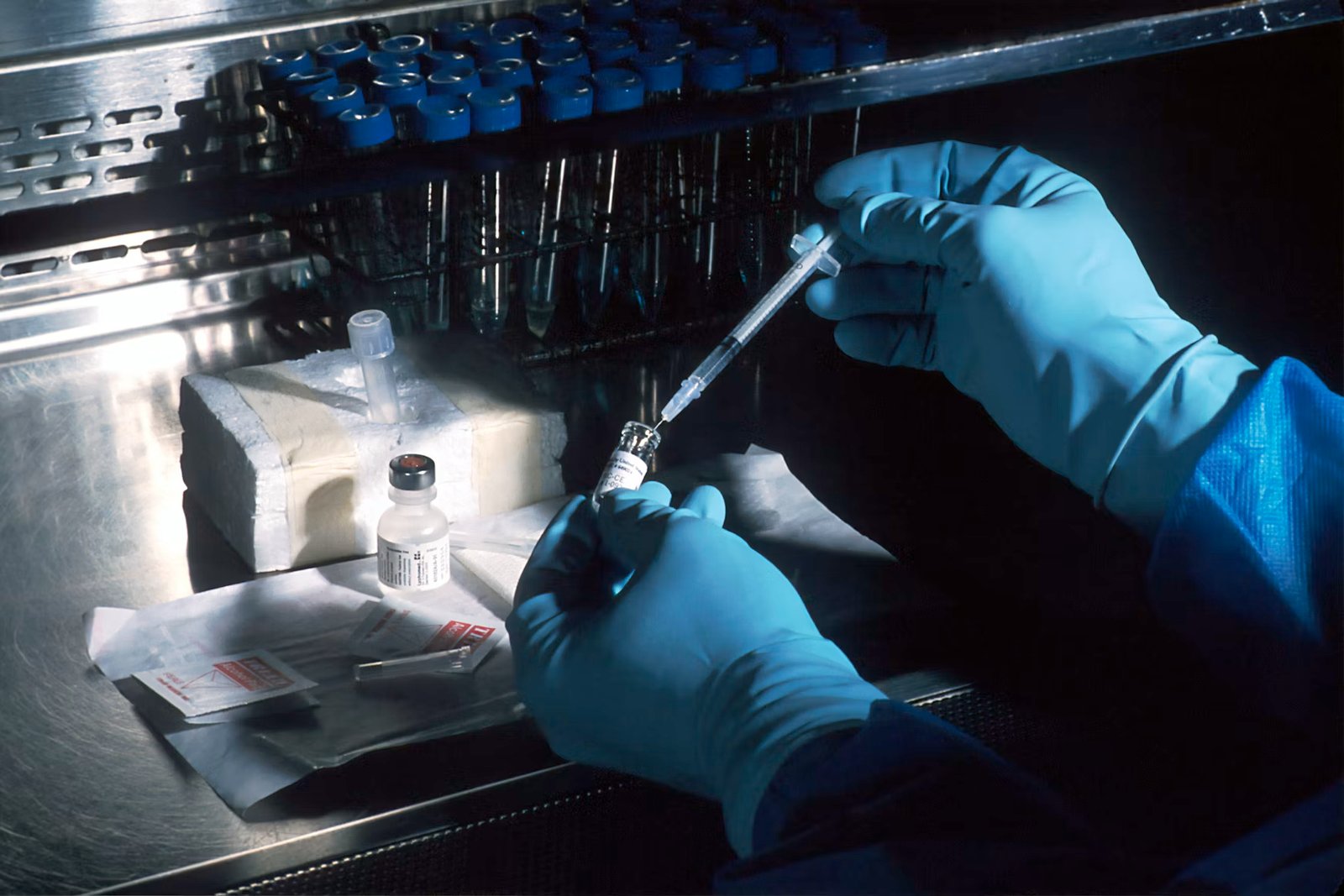
In 2024 alone, the FDA approved 50 novel therapies, supported by about 31,000 participants in pivotal trials. This is a powerful base of evidence, but it is still only the beginning of the outcome story.
Trials are run under close supervision, far from the routines, budgets, and schedules patients juggle at home. Real-world outcomes can break down long after approval. KFF's March 2026 Health Tracking Poll found that 43% of U.S. adults had not taken medication as prescribed in the past year because of cost.
Cost alone can undo months of clinical progress before anyone notices. Strong data on paper does not always hold up at home. This article will attempt to highlight what it takes to win both.
A pivotal trial proves what a drug can do under close watch. It says far less about what happens once that watch ends. A 2025 Cleveland Clinic study on the effectiveness of GLP-1 medications makes this gap hard to ignore. Patients who stopped treatment early lost 3.6% of body weight after one year, while those who stayed on treatment lost 11.9% on average.
The report makes it evident that even if a drug works well in trials, patients may get weaker results in real life if they cannot stay on it properly. The factors below explain why trial performance alone cannot predict how a therapy will perform in everyday care.
Once a prescription leaves the pharmacy, the outcome depends entirely on choices no protocol can track or predict. A patient forgets a dose, hesitates to mention a symptom, or skips a refill without telling anyone why. Each of these small moments adds up to a very different result than the one seen in trials.
Training the clinicians who sit closest to patients is becoming just as important as strengthening the therapy itself. Assuming a drug alone can carry an outcome may result in a costly blind spot. At least that is what the evidence suggests.
As Dr Natasha Azzopardi Muscat, WHO/Europe's Director of Country Health Policies and Systems, noted, "Quality of health care is a shared endeavour that relies on the collective efforts of patients, professionals, policy-makers and funders."
Nurses, for instance, play a critical role in medication education, symptom recognition, chronic disease follow-up, patient assessment, and care coordination. They are often the first to notice when a treatment plan starts slipping.
Many build these competencies through advanced pathways such as a Master of Science in Nursing-Family Nurse Practitioner (FNP) program. The discipline sharpens clinical judgment across pharmacology, pathophysiology, patient assessment, treatment planning, and person-centered care, notes Texas Woman’s University.
Given the rising demand for advanced practice nurses, many working professionals are now pursuing an FNP online degree. The program's online format allows them to balance the demands of ongoing practice and personal commitments while building expertise in family-focused primary care.
In a system where outcomes depend on judgment, communication, and context as much as chemistry, this workforce becomes a direct extension of every therapy a biopharma company brings to market.
A therapy's value is only partly determined by its formulation. The clinicians who support patients day to day play an equally important role in whether it succeeds.
Real-world evidence has its own language for treatment behaviour. One useful measure is real-world time to treatment discontinuation, or rwTTD.
A 2024 JMIR Medical Informatics study describes rwTTD as a pragmatic real-world effectiveness endpoint, especially in oncology. It tracks how long patients remain on treatment in routine care. The same study also notes that real-world data (RWD) quality can vary substantially across datasets. Variables to keep in mind:
Most outcome reviews stop at efficacy and safety, the two metrics a trial was built to capture. But value can quietly leak out well after launch, in places no clinical study was designed to watch. Leaders who want the full picture need a wider set of markers, ones that track a therapy's path through actual patient lives. Here is where that broader lens should start:
Trials run under close supervision. Everyday life adds cost pressures, missed doses, and inconsistent follow-up, which trials do not fully capture.
Cost, confusion around instructions, unreported side effects, and weak communication with care teams are the most common reasons.
By tracking education quality, follow-up consistency, access barriers, and care coordination, not just efficacy and safety data alone.
|
Data Point |
Figure |
|
FDA novel therapy approvals (2024) |
50 therapies, backed by about 31,000 pivotal trial participants |
|
Medication nonadherence due to cost |
43% of U.S. adults (KFF, March 2026) |
|
Weight loss gap after early GLP-1 discontinuation |
3.6% vs. 11.9% at one year (Cleveland Clinic, 2025) |
|
Nonadherence linked to poor patient-physician communication |
55% (American Medical Association) |
So where does this leave you? In a pretty good spot, honestly. The means to close these gaps already exist in the form of better training, clearer communication, and tighter follow-up. None of it requires reinventing the drug. It just asks for a little more attention downstream.
Companies that get this right end up with therapies that perform the way they were meant to, long after launch day. That's a win worth chasing. Approval was never the finish line. It was just where the real work began.





© 2026 Biopharma Boardroom. All Rights Reserved.